 St. Petersburg Siding
 Why Disston Heights Siding Wears Out Faster Than the National Average
Disston Heights sits well inland from the immediate waterfront, but that doesn't shield it from what Pinellas County's climate does to exterior building materials. Homes here still take on salt-laden air moving in off Tampa Bay and the Gulf, punishing summer UV that runs nearly year-round, and the kind of wind-driven rain that finds every gap in a siding system during a tropical storm or hurricane pass. None of that is dramatic on any single day. It's the accumulation — season after season — that shortens the working life of siding that wasn't built or installed for this environment.
That's the lens we use on every siding replacement in this neighborhood: not "what looks good going up" but "what still looks and performs the way it should in twelve years." A lot of siding that gets installed in St. Petersburg fails that test long before the homeowner expected it to.
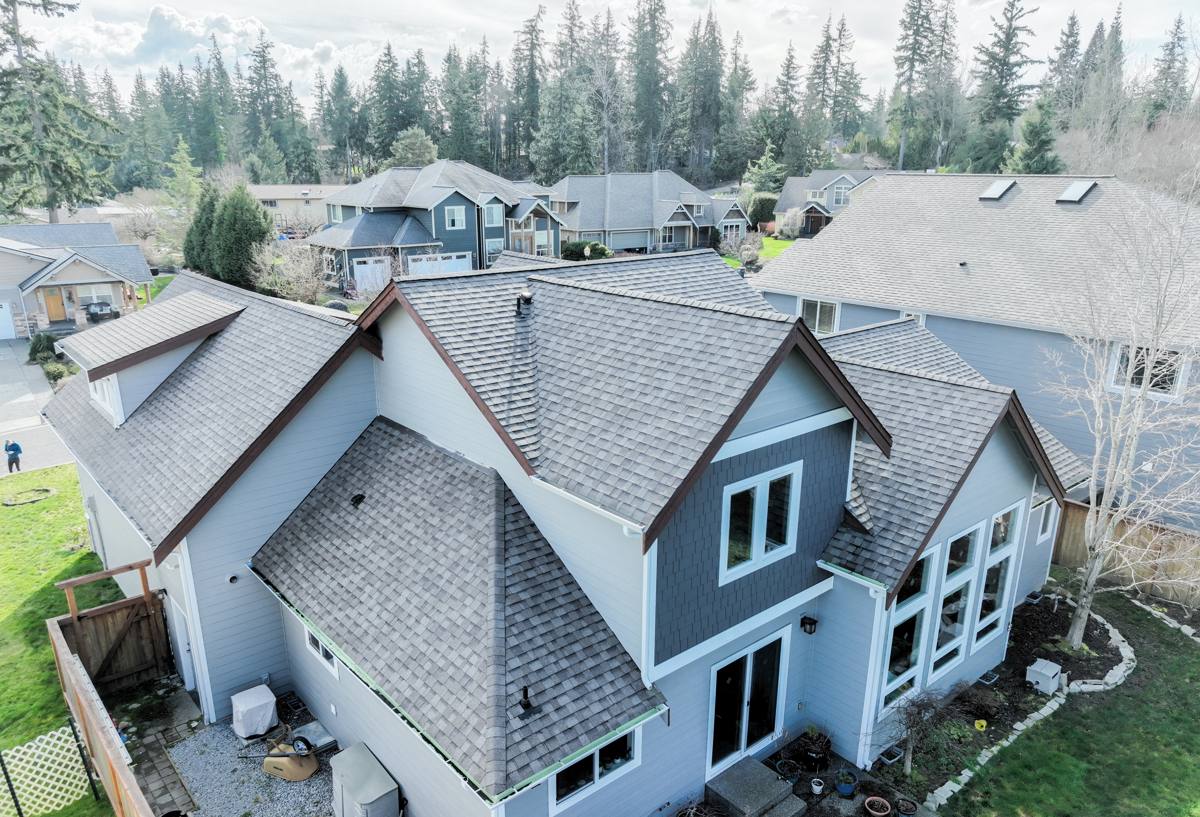
Signs a Disston Heights Home Needs Siding Replacement, Not a Patch
Because Disston Heights includes a mix of home ages — older frame-built houses alongside newer construction — the siding condition on any given block varies widely. A few visual and physical cues tell you whether you're looking at a repair situation or a full replacement situation:
- Boards or panels that are visibly cupping, buckling, or separating at the seams
- Paint that's failing repeatedly in the same spots within a year or two of repainting
- Soft, spongy areas when you press on the siding, especially near the bottom courses and around windows
- Visible cracking that runs through the material rather than just the paint film
- Rust streaking from fasteners, which usually means the fastener or the substrate underneath is failing
- A noticeable jump in cooling costs, which can point to a compromised weather barrier letting heat and moisture into the wall assembly
- Musty odors or soft drywall on interior walls that back up to exterior siding
One or two of these in isolation might be a repair. Several at once, especially on a home more than 15-20 years old, usually means the siding system as a whole has reached the end of its useful life.
What a Correct Siding Replacement Actually Involves
Siding replacement done right is not just removing old boards and nailing up new ones. In a climate that throws wind-driven rain and hurricane-force gusts at a house, the details underneath the visible surface are what determine whether the job holds up.
The Parts You Won't See Once the Job Is Done
A correct installation includes a continuous weather-resistant barrier behind the siding, properly lapped and taped house wrap or building paper, correct flashing at every window, door, and roofline intersection, and fastening that follows the manufacturer's spacing and penetration requirements exactly. Skipping or rushing any of these is how a siding job that looks fine on installation day starts showing moisture problems two or three years later.
The Parts You Will See
Proper clearances above grade, decks, and roof lines keep siding from sitting in standing water. Correct joint treatment and caulking at trim keeps wind-driven rain from being forced behind the material during a storm. And factory-applied finishes, rather than field-applied paint, hold color and resist the UV breakdown that's constant in this part of Florida.
Why We Only Install James Hardie Fiber Cement
We get asked regularly why we don't offer vinyl, LP SmartSide, or other engineered wood products as options. It's a fair question, and the honest answer is that we've made a standard, not a sales pitch.
| Material | What It Gets Right | Why It's Not What We Install |
|---|---|---|
| Vinyl siding | Low upfront cost, easy availability | Softens and can warp in prolonged high heat, can crack in wind-driven debris impacts, seams are a known path for wind-driven rain intrusion |
| LP SmartSide / engineered wood | Workable, budget-friendlier than fiber cement in some markets | Wood-strand core is more sensitive to sustained moisture exposure than fiber cement; long-term performance depends heavily on flawless installation and caulking upkeep |
| Primed spruce or cedar | Natural look, traditional appeal | Highest ongoing maintenance burden, most vulnerable to humidity and salt air over time, needs the most frequent repainting |
| James Hardie fiber cement | Non-combustible, factory-cured finish, engineered for high-moisture climates | Higher material cost than vinyl; requires correct fastening and installation technique |
None of the alternatives above are junk products — each has a place in the market. But for a climate that combines constant humidity, salt air, intense UV, and real hurricane risk, fiber cement's stability and moisture behavior consistently outperform the alternatives over a 20-30 year ownership window, which is the timeframe that actually matters to a homeowner.
The Hardie Product Line Built for the Gulf Coast
James Hardie engineers its siding by climate zone, and Pinellas County falls into the HZ5 category — the line built specifically for hot, humid, moisture-heavy regions like ours. That's a meaningful distinction from siding engineered for a dry or cold climate and simply sold everywhere.
ColorPlus factory finish is the other piece that matters here. Instead of field-applied paint that starts breaking down under Florida sun within a few years, ColorPlus finish is baked on at the factory in multiple coats, which is why it holds color and resists UV fading and moisture-related finish failure far longer than a job-site paint job — and why the color warranty on that finish is separate from, and stronger than, what field-painted siding can offer.
What This Means for a Disston Heights Home Specifically
A home in this neighborhood is dealing with the same salt air and storm exposure as homes closer to the water, just at a slightly reduced intensity. HZ5-rated fiber cement with a factory finish is built to handle exactly that combination, which is why it's what we put on homes here rather than a general-purpose siding product.
Our Siding Replacement Process
Every siding replacement we do in St. Petersburg follows the same sequence, because skipping steps is where problems start:
- On-site assessment — we inspect the existing siding, sheathing, and any areas of visible water damage before quoting anything
- Tear-off and substrate check — old siding comes off and we inspect the sheathing underneath for rot or moisture damage before anything new goes up
- Weather barrier installation — a continuous, correctly lapped moisture barrier goes over the sheathing
- Flashing at every penetration — windows, doors, hose bibs, vents, and roof intersections all get properly detailed flashing
- Hardie panel or plank installation — installed to manufacturer fastening specifications, not just "close enough"
- Trim, caulking, and finish detailing — the joints and transitions that keep wind-driven rain out during storms
- Final walkthrough — we go over the finished work with the homeowner before calling the job complete
Cost Factors for Siding Replacement in This Area
Every home is different, but the same handful of factors drive most of the cost variation we see on Disston Heights projects:
| Factor | How It Affects Cost |
|---|---|
| Home size and wall square footage | The most direct driver of material and labor cost |
| Condition of the existing sheathing | Rot or moisture damage found during tear-off adds repair scope before new siding goes on |
| Siding profile chosen | Lap siding, panel systems, and shingle-style Hardie products carry different material and labor costs |
| Trim and architectural detail | Homes with more corners, window trim, and roofline transitions take more labor to flash and finish correctly |
| Access and site conditions | Tight lot lines, fencing, and landscaping can add time to tear-off and material staging |
We give straightforward, itemized quotes rather than vague ballpark numbers, because a homeowner comparing bids should be able to see exactly what's driving the price difference between them.
Why Hiring a Crew That Already Works This Neighborhood Matters
Siding installation quality depends heavily on the crew doing it, not just the product on the truck. A contractor who regularly works in St. Petersburg and Pinellas County already understands the local permitting process for exterior work, the wind-load requirements that apply to siding attachment in this region, and the practical realities of working around established landscaping, tight side yards, and older home framing that's common in a neighborhood like this one. That familiarity shows up in fewer surprises mid-project and a tear-off crew that knows what they're likely to find once the old siding comes off.
It also matters for warranty support. James Hardie's transferable warranty is only as good as the installer standing behind it — a crew that's still doing business locally years later, and that installed the product to spec in the first place, is what makes that warranty meaningful rather than theoretical.
Caring for Hardie Siding After Installation
Correctly installed Hardie siding is genuinely low-maintenance, but "low-maintenance" isn't "no-maintenance." A rinse with a garden hose a few times a year keeps salt residue and dust film from building up. Keep sprinklers from hitting the siding directly on a daily basis, check caulking at trim joints annually, and have any impact damage from storm debris addressed promptly rather than left exposed. That's a fraction of the upkeep that wood or vinyl siding demands over the same span of years.
If your Disston Heights home is showing any of the wear signs above, or you're simply planning ahead, we're happy to walk the exterior with you and give you a straightforward, no-pressure estimate — no obligation, just an honest look at what your siding actually needs.