 St. Petersburg Siding
 Building a Deck That Can Actually Handle Disston Heights Weather
A deck in Disston Heights lives a harder life than a deck almost anywhere inland. Between the hurricane-force winds that come through Pinellas County most summers and falls, the intense year-round UV, wind-driven rain that finds its way into any gap in the framing, and the salt air drifting in off the surrounding water, a deck built to a generic national spec starts showing problems fast — cupped boards, rusted fasteners, loose railings, soft spots where water has been sitting against wood that was never meant to get wet that often. A deck built for St. Petersburg's climate is a different job from the start: different fasteners, different framing details, different attention to drainage and airflow.
This page is about doing that job right for homes in Disston Heights specifically — not a generic "we build decks" pitch, but what actually matters when the deck has to survive Pinellas County's weather year after year.
What Disston Heights Homes Ask of a Deck
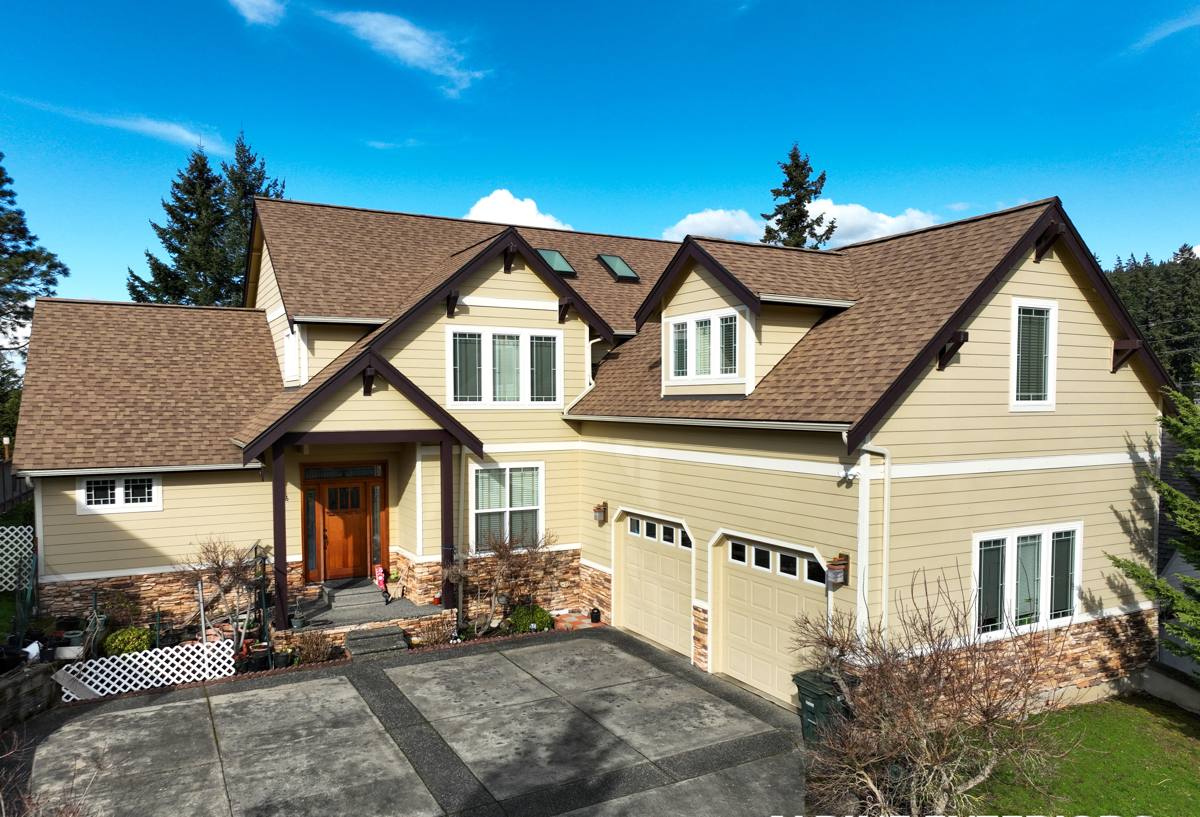
Disston Heights is a settled, mostly single-family St. Petersburg neighborhood, and like much of the city, the lots tend to be modest in size with yards that get real use — cookouts, kids, dogs, morning coffee before the heat sets in. A deck here usually has one job above all others: extend the livable space of the house into the yard without becoming a maintenance project in itself. That means the design has to account for how the house sits on the lot, how much direct sun the space gets through the day, and how the deck ties into existing doors, grade changes, and drainage patterns already on the property. It also means building something that still looks good and functions well five, ten, fifteen years from now — not just on installation day.
Because homes in this part of St. Petersburg vary in age and foundation style, no two decks in the neighborhood should be framed identically. What holds up on one lot's drainage and sun exposure isn't automatically right two streets over.
The Difference Between a Deck That Lasts and One That Doesn't
Footings and Framing
Everything starts below grade. Footings need to be sized and set to local frost-free, load-bearing depth requirements and tied into framing that's rated for the wind loads Pinellas County code requires — not the minimum you'd see in a milder climate. Undersized or shallow footings are one of the most common reasons an older Florida deck starts to rack or lean.
Fasteners and Hardware
Salt air corrodes ordinary galvanized hardware faster than most homeowners expect, especially on decks with any western or water-facing exposure. We use stainless or coated fasteners and connectors rated for coastal exposure — hangers, hurricane ties, and structural screws — because a deck is only as strong as its weakest connection, and a rusted-through hanger is a hidden failure point you won't see until something gives.
Ledger Board Attachment
Where a deck attaches to the house is the single most important structural connection on the project, and it's also the spot most likely to let water into the wall assembly if it's flashed wrong. Correct flashing and lag or through-bolt attachment at the ledger keeps wind-driven rain from working its way behind the siding — a real risk in a climate where storms come in sideways as often as straight down.
Choosing the Right Decking Material for the Gulf Coast
The decking surface itself takes the brunt of the sun, rain, and foot traffic, and the right choice depends on how much upkeep you're willing to do versus how much you want to spend up front.
| Material | Heat Underfoot | UV / Fade Resistance | Moisture & Rot Behavior | Maintenance |
|---|---|---|---|---|
| Pressure-treated wood | Moderate | Fades and grays without regular sealing | Needs sealing to resist Florida's humidity and rain cycles | Annual cleaning and resealing |
| Composite | Can run hot in direct sun | Good, with color options less prone to fading | Resists rot and moisture absorption well | Occasional washing, no sealing |
| PVC / capped decking | Varies by color and brand | Very good, engineered for UV exposure | Fully moisture resistant, no wood core to rot | Lowest — periodic washing only |
We don't push one material on every homeowner. Wood costs less to install and has a natural look plenty of people prefer, but it demands real upkeep in this climate — skip a season of sealing and the sun and rain will show it. Composite and PVC cost more up front but trade that maintenance burden for consistency over time, which matters more here than in a drier, milder climate. The honest answer depends on your budget and how much deck maintenance you actually want to do.
What a Correct Deck Build Involves, Start to Finish
- Site evaluation — grade, drainage, sun exposure, and how the deck ties into the house
- Design and material selection based on how the space will actually be used
- Permitting through the appropriate St. Petersburg or Pinellas County process
- Footings set to code-required depth and load rating
- Framing with corrosion-resistant hardware sized for local wind loads
- Ledger attachment with proper flashing to protect the house wall
- Decking, railing, and stair installation
- Final inspection and a walkthrough so you understand your deck's maintenance needs
Skipping or rushing any one of these steps is how a deck ends up needing major repair five years earlier than it should.
Permitting and Code in St. Petersburg and Pinellas County
New deck construction in St. Petersburg requires a building permit, and Pinellas County's wind-load and setback requirements apply on top of that. This isn't paperwork for its own sake — it's what makes sure your framing and footings are actually sized for the storms this area sees. We handle the permitting process as part of the job, but it's worth knowing going in that inspections and approval add time to the schedule, and that's normal, not a delay on our end.
Cost Factors to Expect
| Factor | Why It Moves the Price |
|---|---|
| Size and shape | More square footage and complex layouts mean more framing and labor |
| Height off grade | Taller decks need deeper footings, more structural framing, and often stairs |
| Decking material | Wood costs less installed; composite and PVC cost more but need less upkeep |
| Railing style | Basic wood or aluminum rail versus cable or glass changes both material and labor cost |
| Site access and drainage work | Tight lots or grading/drainage corrections add time before framing even starts |
We won't quote a number without seeing the site — anyone who does is guessing. What we can tell you is that the biggest cost swings come from size, height, and decking material, in roughly that order.
Keeping Your Deck Sound Through Hurricane Season and Beyond
Even a well-built deck needs some attention from the homeowner. A short seasonal routine catches small problems before they become structural ones.
- Check for loose or wobbling railings and stair treads, especially after a significant storm
- Look under the deck for signs of standing water or poor drainage after heavy rain
- Inspect the ledger board area where the deck meets the house for gaps or soft wood
- Reseal wood decking on a regular schedule — Florida sun and humidity break down sealers faster than milder climates
- Clean composite or PVC decking periodically to prevent mildew buildup, which is common in humid coastal air
- Check fasteners and connectors for rust or corrosion, particularly on decks with wind or water exposure
Why a Crew That Already Works Disston Heights Matters
A contractor who works this neighborhood regularly already knows how St. Petersburg and Pinellas County permitting offices operate, what inspectors look for on footings and ledger attachment, and how the area's storms and salt air actually treat a deck over time — not in theory, but from having built and repaired them here. That familiarity shortens the permitting back-and-forth, avoids design choices that look fine on paper but don't hold up locally, and means we're not learning the climate on your project. It also means that if a storm does damage a deck we built, we're a local call away, not a company that has to be tracked down from out of the area.
If you're planning a new deck or replacing one that's past its prime, we're happy to come take a look and walk you through your options — no pressure, no obligation. Fill out the form below for a free estimate.