 St. Petersburg Siding
 Decks in Historic Kenwood Have to Answer to the Weather
Historic Kenwood is one of St. Petersburg's older bungalow neighborhoods, and a lot of the homes here were built long before anyone thought about attaching a modern deck to a 1920s sill plate or stucco wall. Adding or replacing a deck in this part of Pinellas County isn't just a carpentry job — it's a materials and fastening job first, because the climate here is not gentle on outdoor structures. Between the intense year-round UV, the wind-driven rain that comes off the bay during summer storms, salt air moving inland from Tampa Bay and the Gulf, and the real possibility of hurricane-force winds, a deck built the way it would be in a drier, cooler part of the country will not hold up here. We build and repair decks specifically for this environment, and Historic Kenwood's mix of older wood-frame houses, mature tree canopy, and tight lots gives us a specific set of problems to solve on almost every job.
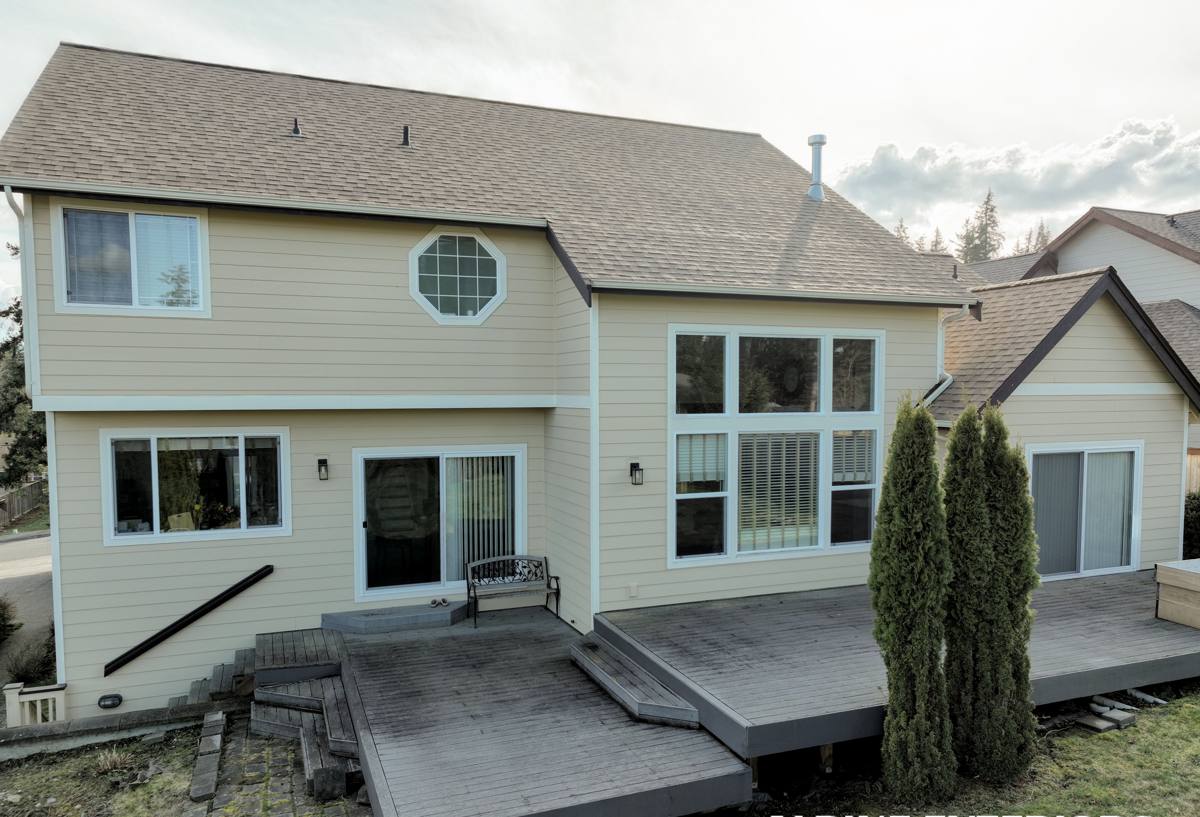
What Historic Kenwood Homes Actually Need From a Deck
Most of the requests we get in this neighborhood fall into a few categories: replacing a rotted or sagging deck that was never built to spec, adding a rear deck off a kitchen or Florida room addition, or upgrading an old pressure-treated deck that's gone gray, splintery, and unsafe underfoot. A few things come up again and again because of where the neighborhood sits and how it's built:
- Older homes often have crawlspace or pier-and-beam foundations, which changes how a deck ledger board or freestanding frame needs to tie in.
- Mature oak canopy means more leaf litter and standing moisture on deck surfaces, which accelerates rot in untreated wood and mold growth on any decking that doesn't drain and dry quickly.
- Lots tend to be narrower and closer together than newer subdivisions, so drainage off the deck has to be planned carefully so runoff doesn't pool against a neighbor's fence line or the house's own foundation.
- Many structures fall under some level of historic or neighborhood character review, so the visible parts of a deck — railing style, skirting, stair design — often need to read as appropriate to the house rather than looking like a big-box add-on.
Material Options: What Actually Holds Up Here
There's no single "best" decking material for every house in Historic Kenwood — it depends on budget, how much upkeep you want to do, and how the deck will be used. Here's how the common options actually perform under Pinellas County sun, salt air, and rain:
| Material | UV / Fade Resistance | Moisture & Rot Behavior | Maintenance | Typical Lifespan Here |
|---|---|---|---|---|
| Pressure-treated pine | Fades and grays without sealing | Rot-resistant treatment, but end cuts and fasteners are vulnerable if not sealed | Needs reseal/stain every 1-2 years in this sun | 10-15 years with upkeep |
| Capped composite | Strong fade resistance, keeps color longer | Doesn't absorb water or rot; core matters for edge sealing | Occasional wash, no staining | 20-25+ years |
| Tropical hardwood (e.g., ipe) | Naturally UV-tolerant but grays without oiling | Very dense, naturally rot-resistant | Periodic oiling to keep color; heavy and harder to work | 25+ years structurally |
| PVC decking | Excellent, won't absorb UV-driven moisture damage | Fully moisture-immune surface | Very low; occasional cleaning | 25+ years |
We're honest with homeowners about trade-offs rather than pushing one product. Pressure-treated wood is the lowest upfront cost but demands the most attention — in this sun and humidity, a deck that isn't resealed on schedule will start checking and graying within a couple of years. Composite and PVC cost more up front but remove most of the maintenance burden, which matters a lot for a neighborhood with this much tree cover and salt-laden air moving through it. Hardwoods look excellent and hold up structurally, but they're heavier, pricier, and less forgiving to install correctly.
What Correct Framing and Fasteners Look Like
The part of a deck nobody looks at — the framing, hardware, and ledger connection — is the part that determines whether it survives a decade of Gulf Coast storms. On an older Historic Kenwood house, the ledger board (the piece that bolts the deck to the house) has to be attached into solid framing, not just siding or trim, and it needs proper flashing so wind-driven rain doesn't get channeled behind the house's wall assembly. We see this go wrong on older, poorly built decks more than almost anything else — a ledger lag-bolted straight through original siding with no flashing, which eventually rots both the deck attachment and the wall behind it.
Fastener Corrosion Is a Real Concern Near the Bay
Standard galvanized fasteners degrade faster in salt-laden coastal air than most homeowners expect. We use stainless steel or high-grade coated fasteners and structural connectors rated for coastal exposure on every deck we build, because a rusted joist hanger or corroded ledger bolt is a structural failure waiting to happen, not just a cosmetic issue.
Footings and Post Bases
Post bases should sit above grade on proper footings, not buried in soil where they'll hold moisture against the wood or metal. In a neighborhood with mature trees and shifting, sandy Florida soil, we also make sure footings are sized and depth-set correctly so the deck doesn't develop the slow settling and sag that's common on older, undersized footings.
Building for Hurricane-Force Wind, Not Just Everyday Weather
Pinellas County code requires decks to be engineered for regional wind loads, and that's not a box-checking exercise here — it's the difference between a deck that survives a tropical storm and one that becomes debris. Railings, guard posts, and stair stringers all need to be attached with hardware rated for uplift and lateral load, not just screwed together the way a rear porch might be up north. We size and space joists, blocking, and post connections to hold up under real coastal wind events, and we don't cut corners on hardware to save a few dollars on a bid — it's the one part of a deck build that isn't visible after the fact but matters most when a storm actually hits.
Permits and Neighborhood Character in a Historic Area
Deck work in St. Petersburg requires a building permit, and homes in designated historic districts or with local historic overlays can have additional design review depending on what's visible from the street or how it changes the footprint of the house. We handle the permitting process and can advise on railing style, skirting, and stair placement that fits the character of an older Kenwood bungalow rather than looking out of place, but we don't guess at what a specific historic review board will or won't approve — if your property falls under a review overlay, we'll flag that early so there are no surprises mid-project.
How Our Process Works, Start to Finish
- On-site assessment: We look at your existing deck (if there is one), the house's structure at the attachment point, drainage, sun exposure, and tree cover before recommending anything.
- Design and material selection: We walk through material trade-offs honestly based on your budget and how much maintenance you want to take on long-term.
- Permitting: We pull the required City of St. Petersburg permits and handle any historic district paperwork before work starts.
- Demolition and disposal (if replacing): Old decking, framing, and any rotted structural members are removed and hauled off.
- Framing: Footings, posts, beams, and joists are set to current wind-load code with coastal-rated hardware throughout.
- Decking, railing, and stairs: Surface material and railing system are installed per the design, with attention to drainage gaps and proper fastening.
- Final inspection and walkthrough: We confirm everything passes inspection and walk the finished deck with you before calling the job done.
Maintenance That Actually Matters in This Climate
Whatever material you choose, a few habits make the biggest difference in how long a Historic Kenwood deck lasts under year-round Florida sun and salt air:
- Sweep leaves and organic debris off the surface regularly — trapped moisture under leaf litter is one of the fastest ways to start rot or mildew staining.
- Rinse salt residue off the deck surface and railings periodically, especially after storms with onshore wind.
- Check fastener heads and connector hardware yearly for early rust or corrosion, particularly on wood decks near the ground.
- Reseal or restain wood decking on schedule — don't wait until it's already gray and checking, since UV damage is easier to prevent than reverse.
- Keep gutters and downspouts near the deck clear so roof runoff isn't dumping directly onto the structure or its footings.
- Inspect under the deck once a year for standing water, soft framing, or signs of pest activity, which are easier and cheaper to catch early.
Why It Matters That We Already Work in Historic Kenwood
A crew that's worked in this specific neighborhood already knows how these older homes are framed, what the soil and drainage patterns look like on these lots, and roughly what a historic review process will expect for visible elements like railings and stairs. That saves time and avoids the expensive mistakes that come from treating every house like a generic new-construction lot. We're a Pinellas County-based crew, and we build decks the same way we handle every exterior project on a home in this area: sized and fastened for real coastal wind and moisture exposure, not just built to look good on installation day.
If you're considering a new deck or need an old one assessed for safety and rot, we're happy to come take a look. The estimate is free, there's no pressure to sign anything on the spot, and you'll get a straight answer about what your deck actually needs — just fill out the form below to get started.