 St. Petersburg Siding
 Windows Built for What Crescent Lake Actually Deals With
Crescent Lake is one of St. Petersburg's older, established residential neighborhoods — a mix of historic bungalows, mid-century homes, and newer renovations shaded by a mature tree canopy near downtown. Houses here tend to be a few decades old at minimum, which means a lot of the original or early-replacement windows are well past the point where they're doing their job. In Pinellas County, "doing their job" means more than keeping the air conditioning in. It means standing up to hurricane-force wind gusts, blocking punishing year-round UV that fades floors and furniture, shedding wind-driven rain without letting water track behind the frame, and resisting the slow corrosion that salt-laden coastal air causes on hardware and seals — even several miles inland from the bay.
When we talk about "energy-efficient windows" for a Crescent Lake home, we mean windows selected and installed with all of that in mind at once, not just a glass package with a good rating on a spec sheet.
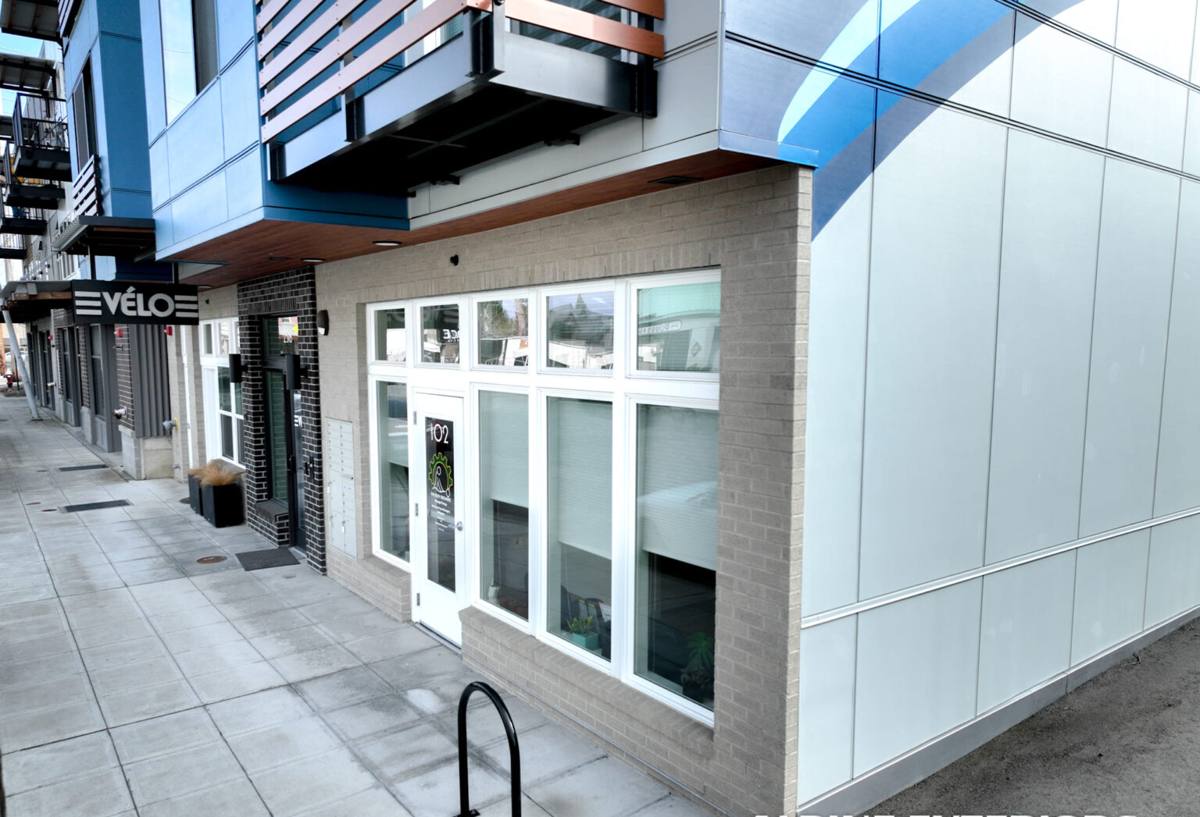
What We See on Crescent Lake Window Jobs
Every neighborhood has a housing pattern, and Crescent Lake's is fairly consistent: older single-pane or early double-pane aluminum windows original to the home, sometimes with a poorly matched replacement window or two from a prior owner. On the older bungalow and cottage-style homes, wood-frame single-hung windows are common — charming, but often swollen shut, painted over, or leaking air around the sash even when they still look presentable from the street. On homes that were updated in the 1980s–2000s, we frequently find builder-grade aluminum single-pane windows that were never built for today's energy or wind standards.
None of that is unusual for a St. Petersburg neighborhood this age, but it does mean the right approach varies house to house. A historic bungalow with wood trim and defined sightlines needs a different frame profile and installation approach than a 1990s stucco home with aluminum-frame originals. A crew that hasn't worked this specific mix of housing stock tends to default to one product for every job, which is how homeowners end up with windows that technically meet code but look wrong on the house or underperform for the actual conditions.
Common Issues We Find
- Single-pane glass with no meaningful thermal or UV protection
- Aluminum frames pitted or corroding from long-term salt air exposure
- Failed seals on older double-pane units (visible fogging or moisture between panes)
- Wood sashes swollen, rotted at the sill, or painted shut
- Gaps around the frame where the original installation wasn't properly sealed or flashed
- Non-impact-rated glass in a home that needs storm protection but has no shutters
What "Energy-Efficient" Should Mean in This Climate
An energy-efficient window for coastal Pinellas County is doing three jobs at once: managing heat, managing water, and managing wind load. Skimping on any one of them shows up later as a higher power bill, a soft spot in the wall, or a claim after the next storm.
Heat and UV
Low-E (low-emissivity) coated glass reflects a large share of solar heat and UV before it ever gets into the house, which matters enormously in a market where air conditioning runs most of the year. It also slows the fading and degradation that direct Florida sun causes to flooring, furniture, and window treatments. Insulated (double-pane) glass with an inert gas fill between the panes adds another layer of thermal performance on top of the coating.
Wind and Water
St. Petersburg falls within Florida's wind-borne debris region under the Florida Building Code, which means new and replacement windows generally need to meet impact-resistance or protection requirements — either impact-rated glass or an approved opening-protection system, sized to the specific wind pressures for the home's location and exposure. This isn't optional trim-level upgrade territory; it's a code and insurance consideration for most Pinellas County homes, and it's a big part of why window selection here isn't the same exercise as it would be inland.
Salt Air
Frame material and hardware matter more here than in most of the country. Whatever frame material is chosen needs finishes and fasteners rated to hold up to coastal air over years, not just the first season.
Frame Material Comparison
| Frame Type | Strengths | Trade-Offs in This Climate |
|---|---|---|
| Vinyl | Good insulation value, low maintenance, resists corrosion | Can expand/contract with heat cycling if not a quality product; color choices more limited |
| Aluminum | Strong, slim sightlines, historically common on FL homes | Conducts heat unless thermally broken; needs a good coastal-grade finish to resist salt corrosion |
| Fiberglass | Very stable through temperature swings, strong, low maintenance | Higher upfront cost than vinyl or standard aluminum |
| Wood (clad) | Matches historic character on older Crescent Lake homes | Highest maintenance; needs consistent upkeep against humidity and sun |
We don't push one frame material as a universal answer. A vinyl or fiberglass window with a good Low-E, impact-rated glass package is usually the practical choice for most Crescent Lake homes. On historic bungalows where the owner wants to preserve the original look, a clad-wood or wood-look option can make sense, with the understanding that it comes with more upkeep.
Our Installation Process
The window product only performs as well as the installation around it. Most window failures we're called out to inspect — leaks, drafts, condensation between the frame and the wall — trace back to installation shortcuts, not a bad product.
- On-site assessment: We check each opening for level, square, and existing water damage before recommending anything. Older Crescent Lake homes especially can have settled or slightly out-of-square openings that need to be addressed, not just covered over.
- Product selection: Based on the home's age, exposure, and the homeowner's priorities (energy savings, storm protection, matching historic trim, budget), we spec frame material, glass package, and impact rating.
- Removal and prep: Old windows come out carefully, especially on older wood-frame homes, to avoid damaging original trim or stucco that the homeowner wants to keep.
- Flashing and sealing: This is the step that actually keeps wind-driven rain out. Proper flashing tape and sealant at the sill and jambs matter more in Pinellas County's rain patterns than almost any other single install detail.
- Setting and fastening to wind-load spec: Windows are fastened per the manufacturer's approved installation instructions and the wind pressure rating required for the home's location — not just "screwed in until it feels solid."
- Interior and exterior finish: Trim, caulking, and paint-matching so the finished opening looks intentional, not patched.
- Final walk-through: We check operation, seal integrity, and cleanup before calling the job done.
Cost Factors to Expect
| Factor | Why It Moves the Price |
|---|---|
| Impact rating | Impact-rated glass costs more than standard insulated glass but can reduce or eliminate the need for separate storm shutters |
| Frame material | Vinyl is typically the most budget-friendly; fiberglass and clad-wood cost more upfront |
| Window size and type | Large picture windows, sliders, and custom shapes cost more than standard single- or double-hung units |
| Number of openings | Whole-house replacement has better per-unit pricing than a handful of one-off replacements |
| Existing damage | Rotted framing or water-damaged sheathing found during removal adds repair cost before the new window can go in |
| Historic trim matching | Custom trim work to preserve a bungalow's original look adds labor time |
We give a written, itemized estimate before any work starts, broken out by opening, so there's no guessing about what's driving the total.
Signs Your Crescent Lake Home Needs New Windows
- You can feel outside air near the window even when it's closed
- Sun-fading on floors, furniture, or curtains near the window
- Fogging or a permanent haze between the panes of a double-pane window
- Difficulty opening, closing, or locking the window
- Visible corrosion or pitting on aluminum frames or hardware
- Soft or discolored trim or drywall around the window frame
- Rising cooling bills without another clear explanation
- No impact rating or storm protection on a home in the wind-borne debris region
Why It Matters That We Already Work This Neighborhood
Every jurisdiction handles permitting, wind-load documentation, and inspection a little differently, and Pinellas County and the City of St. Petersburg are no exception. A crew that regularly pulls permits and schedules inspections locally moves through that process without the delays that come from unfamiliarity. Just as important, a crew that has worked Crescent Lake's specific mix of historic bungalows and mid-century homes already understands which openings are likely to be out of square, which trim details are worth preserving, and which product lines actually hold up against this particular combination of salt air, UV, and storm exposure — instead of relearning it on your house.
If you're weighing whether your current windows are worth repairing versus replacing, or you just want a straight answer on what a proper impact-rated, energy-efficient window job would look like for your specific home, we're glad to come take a look. The estimate is free, there's no pressure, and you'll get a clear, itemized breakdown before you decide anything — just fill out the form below to get started.