 St. Petersburg Siding
 Coquina Key Roofs Work Harder Than Most
Coquina Key sits close to open water, with many homes backing up to canals or sitting just a short distance from the bay. That waterfront position is part of what makes the neighborhood desirable, but it also means roofs here take a harder hit from every storm that moves through Pinellas County. Wind off the water doesn't slow down the way it does further inland, and it carries salt spray that settles on shingles, flashing, and fasteners year-round. Add in Florida's relentless UV exposure and the wind-driven rain that comes with almost every summer thunderstorm and named storm, and you have a roof that's aging and weakening faster than the manufacturer's warranty numbers assume.
A roof that looks fine from the ground can already have lifted shingle tabs, compromised flashing, or granule loss that's thinning its protection. After any storm with sustained wind or heavy rain, Coquina Key homes need a real inspection, not a drive-by guess.
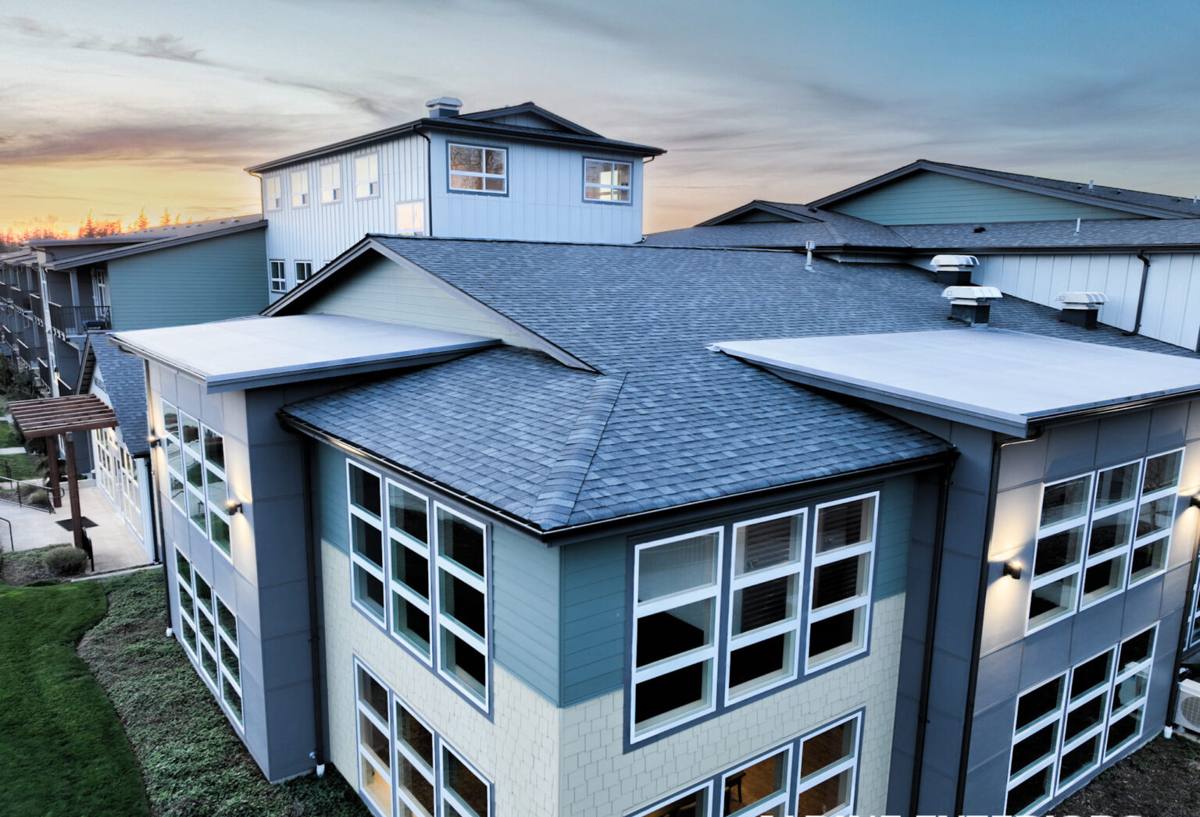
What Storm Damage Actually Looks Like
Storm damage isn't always a hole you can see from the street. Some of the most costly problems start small and hide until a slow leak has already reached the decking or the interior ceiling. Here's what we check for on every storm inspection in the area:
- Missing, cracked, or curling shingles, especially near roof edges and ridges where wind uplift concentrates
- Lifted or creased shingle tabs that haven't fully blown off but no longer seal
- Bent, loose, or missing flashing around chimneys, vents, skylights, and roof-to-wall joints
- Granule loss showing up as bare, shiny patches or granules collecting in gutters
- Soft spots or sagging in the decking, usually found by walking the roof, not looking at it
- Water stains, discoloration, or bubbling paint on interior ceilings and top-floor walls
- Damaged or clogged gutters and downspouts that push water back under the roof edge
- Corrosion on nail heads, flashing, or metal roof panels from repeated salt exposure
If you notice any of these after a storm, the timeline matters. A small compromised area left unaddressed through the next rain event usually turns into a much larger repair.
What a Correct Storm Repair Actually Involves
It Starts With Stopping Active Water
If a roof is actively leaking or has an open area from wind damage, the first job is to stop water from getting into the structure. That usually means a temporary tarp or dry-in, secured properly so it survives the next round of wind and rain rather than tearing loose within a day or two.
Then a Full Inspection, Not a Patch and Hope
A proper storm repair isn't just replacing the shingles you can see are missing. We check the decking underneath for soft spots, confirm the underlayment is still intact in the surrounding area, and inspect flashing at every penetration nearby — chimneys, pipe boots, vents. Wind and wind-driven rain can push moisture sideways under shingles that look undamaged, so the repair area often needs to extend beyond the obviously damaged section to actually solve the problem.
Matching Materials the Right Way
Shingle color and profile fade and change over the years, especially with the UV exposure Pinellas County gets. We do our best to match existing materials closely, but on an older roof a repaired section may look slightly different than the rest until it weathers in. We'll tell you honestly what to expect before the work starts rather than let you be surprised afterward.
Fastening for Wind, Not Just for Code Minimums
Florida's building code sets minimum wind-resistance standards, but on a waterfront property like the ones in Coquina Key, we typically fasten and seal to the higher end of what the shingle manufacturer allows rather than the bare minimum, since these roofs see stronger sustained wind loads than homes further inland.
Roofing Materials Common in Coquina Key: How They Hold Up
Most homes in the neighborhood have asphalt shingle roofs, with a smaller number of tile and metal roofs. Each material has different strengths when it comes to wind, salt air, and storm repair.
| Material | Wind Performance | Salt Air Behavior | Repair Considerations |
|---|---|---|---|
| Architectural asphalt shingle | Good with proper nailing pattern and sealant strip adhesion | Granules and asphalt resist salt corrosion well; fasteners are the weak point | Easiest to repair in sections; color matching is the main challenge on older roofs |
| 3-tab asphalt shingle | Lower wind rating than architectural shingles; more prone to tab lift | Same granule durability, but thinner profile shows wear sooner | Increasingly hard to match since most manufacturers favor architectural lines now |
| Concrete or clay tile | Very strong once properly fastened; individual tiles can crack or slide from impact or uplift | Tile itself resists salt well; battens and underlayment beneath it don't | Repairs require careful tile removal and reset without cracking neighboring tiles |
| Standing seam metal | Excellent wind performance when panels and clips are rated correctly | Coated steel or aluminum resists corrosion; fasteners and cut edges are vulnerable | Panel repair or replacement needs matching profile and finish, not a generic patch |
Whatever material is on your roof, the fasteners, flashing, and underlayment beneath it are usually what fails first in a coastal environment — the visible surface material is often the last thing to actually give out.
Our Process for Coquina Key Storm Repairs
- Emergency response: If water is actively getting in, we prioritize a secure temporary tarp or dry-in to stop further damage before scheduling the full repair.
- On-site inspection: We walk the roof (not just look from the ground), check the attic or top-floor ceiling from inside where accessible, and document what we find with photos.
- Written estimate: You get a clear scope of work and price before anything happens — what's being repaired, what materials will be used, and what the timeline looks like.
- The repair: Decking, underlayment, flashing, and surface material are addressed in that order, not just the visible top layer.
- Final walkthrough: We show you the completed work and go over care or watch points, particularly if any material matching came out slightly different from the surrounding roof.
Working With Insurance on a Storm Claim
Not every repair needs to go through insurance, and we won't push you toward a claim you don't need. But when damage is significant enough to warrant one, documentation matters. We take dated photos of the damage as we find it, which gives you something concrete to hand to your adjuster. We're happy to meet an adjuster on-site and walk the roof with them if that's useful, but the insurance relationship and the claim itself are between you and your carrier — our job is to give you an honest, accurate account of the roof's condition, not to inflate a scope of work to match a settlement number.
Why Local Experience in This Neighborhood Matters
A roofer who works Coquina Key regularly already knows how waterfront exposure changes what a roof needs compared to a similar house a few miles inland. That means recognizing salt-related fastener corrosion before it causes a bigger failure, understanding how wind behaves differently on homes with more open exposure toward the water, and knowing the permitting and inspection process through the City of St. Petersburg and Pinellas County without it slowing your repair down. It also means we're not learning the neighborhood on your dime — when a storm comes through and multiple homes need attention at once, being able to move efficiently between nearby jobs means faster response for everyone.
What Storm Repairs Typically Cost — And What Changes the Price
Every roof and every storm is different, so we don't quote a number without seeing the damage. But the honest range for most storm repairs (as opposed to a full roof replacement) runs from a few hundred dollars for a small, isolated flashing or shingle repair up to several thousand for more extensive wind or water damage affecting decking and underlayment. Several factors move that number:
| Factor | Why It Matters |
|---|---|
| Extent of decking damage | Wet or soft plywood underneath the shingles has to be replaced, not just covered — this is the biggest cost swing |
| Roof material and age | Matching older or discontinued shingle lines can take longer to source and affects labor |
| Roof pitch and access | Steeper roofs and homes with limited access take more time and equipment |
| Size of the affected area | A single flashing leak repairs very differently than wind damage across a whole roof slope |
| Underlayment condition | If underlayment beneath the surrounding shingles has degraded, the repair area often has to expand to stay watertight |
Preventing the Next Storm From Doing More Damage
Once a repair is done, a few habits go a long way toward protecting it against the next round of Florida weather:
- Have the roof looked at after any storm with sustained winds, even if you don't see obvious damage
- Keep gutters and downspouts clear so water isn't backing up under the roof edge
- Trim back tree limbs that can strike the roof or drop debris that traps moisture
- Rinse accumulated salt residue off the roof surface periodically if your home is close to the water
- Address small issues — a lifted tab, a loose flashing edge — before the next storm season rather than after
If you're dealing with storm damage on a Coquina Key roof, or you just want an honest inspection after the last round of weather, we're glad to take a look. The estimate is free, there's no pressure to move forward, and you'll get a straight answer about what your roof actually needs — use the form below to get started.