 St. Petersburg Siding
 Roof Repair Built for Coquina Key's Waterfront Conditions
Coquina Key sits on a peninsula surrounded by water on three sides, which means homes here take on more than the average dose of what Tampa Bay weather can dish out. Between the salt-laden air coming off the water, the wind-driven rain that rides in with almost every summer storm, and sun exposure that doesn't let up for most of the year, roofs in this neighborhood age differently than roofs a few miles inland. A repair that would hold up fine in a drier, more sheltered part of St. Petersburg can fail early here if it isn't done with these specific conditions in mind.
We work on roofs throughout Coquina Key regularly, and the patterns of damage we see are consistent: shingle edges lifted by wind, flashing corroded by salt exposure, soft decking around vent boots and chimneys, and granule loss that's accelerated by intense UV. Understanding those patterns before we ever get on the roof is what separates a repair that lasts from one that's back on our schedule in eighteen months.
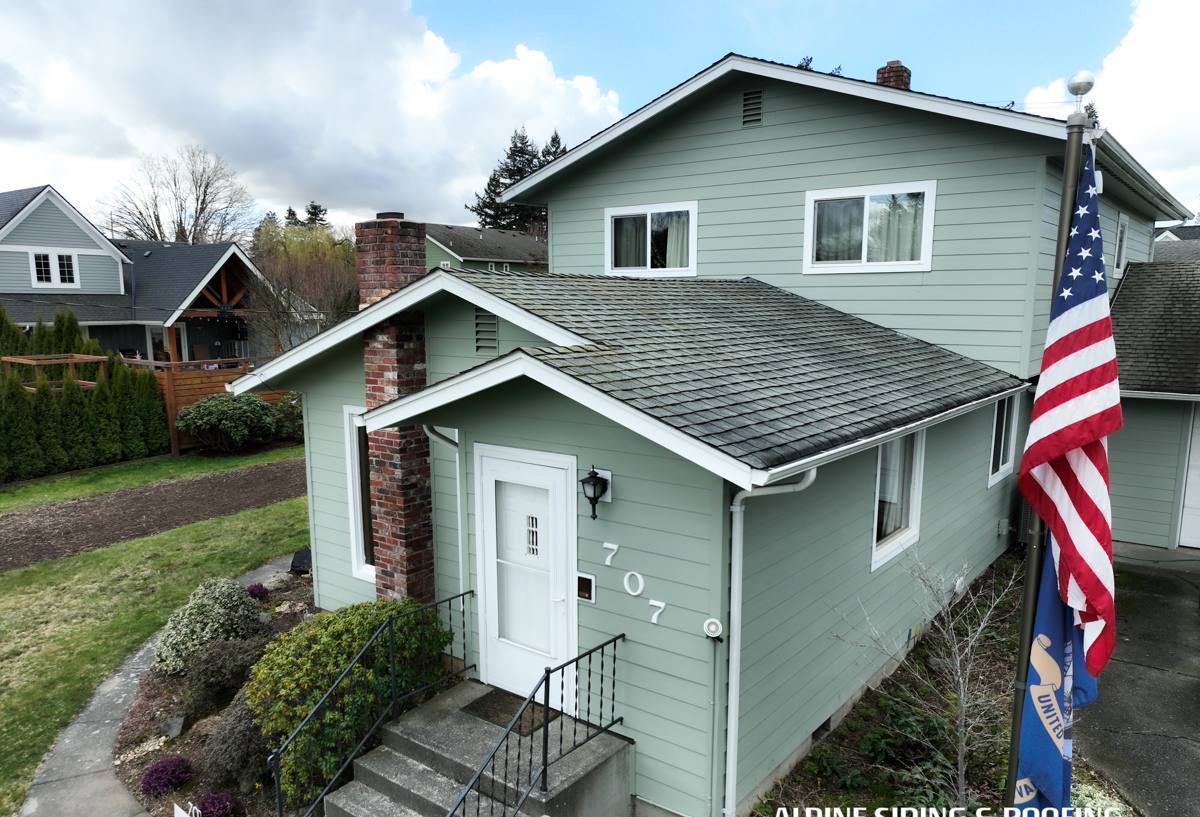
Why This Neighborhood's Roofs Wear Differently
Salt Air and Metal Components
Every roof has metal somewhere on it — flashing around chimneys and walls, drip edge along the perimeter, nail heads, vent stacks, and sometimes metal valleys. In a waterfront neighborhood like Coquina Key, that metal is exposed to airborne salt continuously, not just during storms. Over time this accelerates corrosion, especially on lower-grade fasteners or flashing that wasn't rated for coastal exposure to begin with. A rusted-through valley or a corroded nail head is a common source of leaks that have nothing to do with the shingles themselves.
Wind-Driven Rain
Straight-down rain and wind-driven rain behave completely differently on a roof. When rain is being pushed sideways at 40-60 mph during a Gulf storm, it can work its way up and under shingle edges, through nail penetrations, and into any gap in flashing that would never leak in a calm rain. Pinellas County's storm season means roofs here need underlayment, flashing, and shingle sealing that account for lateral water pressure, not just gravity.
Year-Round UV Exposure
Florida's sun is intense for most of the year, and UV breaks down asphalt shingle oils, causing brittleness, cracking, and granule loss well before a shingle's rated lifespan would suggest. A roof on a shaded, tree-covered lot inland can outlast an identical roof on an open, sun-exposed lot near the water by several years. Most Coquina Key properties get direct sun for a large part of the day, which is a real factor in how often repairs are needed.
What Correct Roof Repair Actually Involves
A proper repair isn't just patching the spot where water is visibly coming through. Water travels — it can enter at one point and show up on a ceiling many feet away, so the first job is always finding the true source, not just the symptom.
Our Repair Process
- Roof and attic inspection. We check the surface for lifted, cracked, or missing shingles, examine flashing at every penetration and wall intersection, and look in the attic for water staining, damp insulation, or daylight coming through decking.
- Source diagnosis. We trace the leak path rather than assuming the damage is directly above the interior stain. This step is where a lot of repairs elsewhere go wrong — treating the visible symptom instead of the entry point.
- Decking assessment. If water has been getting in for a while, the plywood or OSB decking underneath may be soft or delaminated. Repairing shingles over compromised decking doesn't hold — the decking has to be solid first.
- Underlayment and flashing repair. Damaged underlayment gets replaced, not just covered. Flashing around chimneys, skylights, walls, and vents gets resealed or replaced with material suited for coastal exposure.
- Shingle or material replacement. Matching materials are installed and properly nailed and sealed, with attention to how the repaired section ties into the surrounding roof so it sheds water the way the rest of the roof does.
- Final check and cleanup. We verify the repair from both the roof surface and the attic side when accessible, and clear the site of old materials and debris.
Common Repair Needs We See in Coquina Key
- Shingles lifted or torn loose along ridge lines and roof edges after high-wind events
- Corroded or failing flashing around chimneys, skylights, and where roof planes meet exterior walls
- Soft or stained decking discovered during storm-damage inspections
- Granule loss and shingle brittleness from prolonged UV exposure, especially on south- and west-facing slopes
- Leaks around plumbing and roof vent boots where rubber seals have dried out and cracked
- Nail pops and sealant failure at fastener penetrations from thermal expansion and contraction
- Valley deterioration where water volume concentrates during heavy rain
Repair vs. Replacement: How We Help You Decide
Not every damaged roof needs a full replacement, and not every roof can be reasonably patched. We walk homeowners through the honest tradeoffs rather than defaulting to the more expensive option.
| Factor | Leans Toward Repair | Leans Toward Replacement |
|---|---|---|
| Age of roof | Under 12-15 years | Approaching or past manufacturer's rated lifespan |
| Extent of damage | Localized to one section or penetration | Spread across multiple slopes or widespread granule loss |
| Decking condition | Solid, no rot found | Soft or delaminated decking in multiple areas |
| Storm history | Isolated recent event | Cumulative damage from repeated storms over years |
| Insurance factors | Damage doesn't meet claim threshold | Documented storm damage supports a covered claim |
We'll always tell you plainly if a repair is a short-term fix rather than a lasting one, so you can make the call with full information rather than finding out later.
What a Fair Repair Costs
Roof repair costs vary widely based on the scope of damage, how the roof is accessed, and what materials are involved. A single flashing repair or a small section of shingle replacement is a modest cost. A repair involving decking replacement, multiple penetrations, or a larger damaged area runs higher. We won't quote a number without seeing the roof, but we will give you a written estimate before any work starts, and we'll explain what's driving the cost — material, labor, or the extent of hidden damage found once we're up there.
Insurance and Storm Damage
When damage stems from a named storm or documented wind event, homeowners insurance may cover some or all of the repair. We provide clear photo documentation and a written scope of work that homeowners can submit with a claim. We don't inflate damage assessments to chase a bigger payout — our job is to document what's actually there and let the claims process work the way it's supposed to.
Preventive Steps Between Repairs
A roof repair addresses the damage that's already happened, but a few habits reduce how often you need one:
- Have the roof inspected after any significant wind event, even if no leak is visible yet
- Keep gutters and valleys clear of debris so water isn't pooling or backing up under shingle edges
- Trim back tree limbs that overhang the roof, which cause both physical abrasion and extra shade/moisture that accelerates algae and moss growth
- Address small issues — a lifted shingle, a cracked vent boot — promptly rather than waiting, since small entry points become bigger problems fast in wind-driven rain
- Schedule a professional inspection annually, ideally before hurricane season ramps up
Why a Crew That Already Works in Coquina Key Matters
There's a real difference between a contractor who occasionally drives into a coastal Pinellas County neighborhood and one who works here regularly. Crews familiar with Coquina Key already understand the salt exposure levels, the typical wind patterns off the water, and the kinds of flashing and fastener upgrades that hold up in this specific environment rather than a generic inland spec. That familiarity shows up in fewer callbacks and repairs that are matched correctly to local conditions from the start, instead of relying on a one-size-fits-all approach that assumes every roof in St. Petersburg faces the same exposure.
We're also positioned to respond quickly when storm season brings sudden damage, since we're not routing a crew across the county to get to you. For a waterfront neighborhood where timing matters — getting a tarp on a damaged section before the next round of rain arrives — that local presence isn't a convenience, it's part of doing the job right.
Licensing and Workmanship
Roofing work in Florida is licensed for a reason — it involves structural water management, wind uplift resistance, and code requirements that protect the home for years after the crew leaves. We carry the appropriate licensing and insurance for roofing work in Pinellas County, and we stand behind our repair work with a workmanship warranty. Ask any contractor you're considering for proof of license and insurance before they get on your roof — it's a reasonable request and any legitimate contractor will have it ready.
If you're dealing with a leak, storm damage, or just want a professional set of eyes on your roof before the next season of Gulf weather rolls in, we're glad to take a look. Fill out the form below for a free, no-pressure estimate — we'll inspect the roof, explain what we find in plain terms, and give you options, not pressure.