 St. Petersburg Siding
 Window Replacement Built for Childs Park's Climate
Childs Park is one of St. Petersburg's established residential neighborhoods, and like most of Pinellas County, it sits squarely in a climate that is hard on windows. Hurricane-force winds during storm season, wind-driven rain that finds every gap in old flashing, intense year-round UV that breaks down seals and glazing, and a steady dose of salt air moving in off the Gulf all work against a window's frame, hardware, and glass at the same time. A window that would last three decades in a drier, calmer climate can start failing in half that time here if it wasn't built or installed for these conditions.
That's the lens we bring to every Childs Park window replacement: not just "does it look good and open and close," but "will this window's seals, frame, and glazing hold up to another decade of St. Petersburg summers and storm seasons." Those are two different questions, and a lot of window jobs only answer the first one.
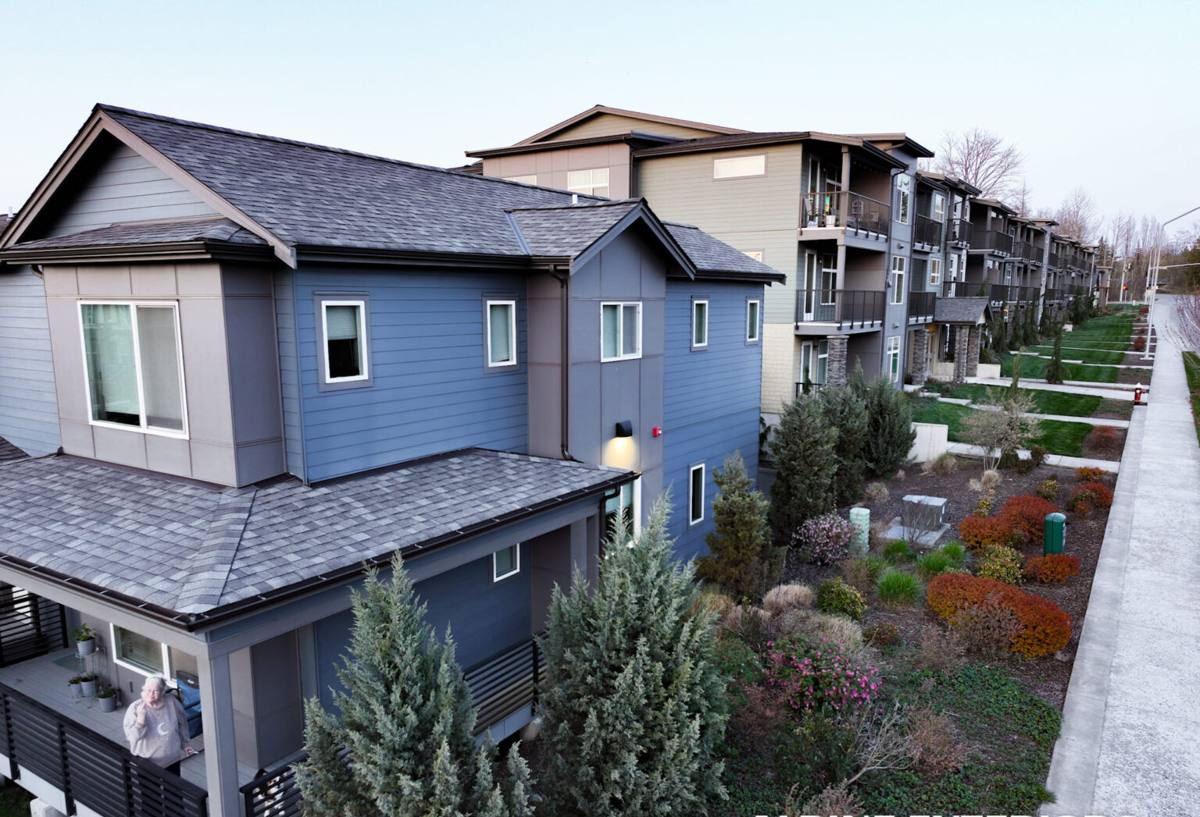
What Childs Park's Housing Stock Needs From Its Windows
Many homes in this part of St. Petersburg are older single-family houses, and older housing stock tends to share a few common window issues regardless of who built the house or when:
- Original wood-frame or early aluminum single-hung windows that have swollen, warped, or corroded at the frame joints
- Glazing putty or old caulk lines that have dried out and cracked, letting wind-driven rain track into the wall cavity
- Non-impact-rated glass that relies on old storm shutters or plywood for hurricane protection, if it has any protection at all
- Settling around the window opening that has thrown the frame slightly out of square, which most stock replacement windows won't seal against without extra work
None of these are unusual for a neighborhood with a lot of mid-century and older construction — they're just things a crew needs to actually check for, rather than measuring the opening and dropping in a standard-size unit.
Why "Just Swap the Glass" Isn't Enough Here
We regularly see homeowners who assume a window problem is a glass problem — foggy double-pane units, a cracked pane, a window that won't stay up. Sometimes that's true. But in a coastal climate, the frame and the seal around the frame usually fail before the glass itself does. If we replace glass without addressing a compromised frame or bad flashing underneath the old unit, the new glass just fails again on the same schedule.
Signs It's Time to Replace, Not Repair
Repair makes sense for isolated issues — a broken pane, a failed balance spring, hardware that needs replacing. Full replacement makes more sense when you're seeing several of these at once:
- Fogging or moisture between panes on more than one or two windows in the house
- Visible daylight, drafts, or water intrusion around the frame during wind-driven rain
- Wood frames that are soft, discolored, or show rot when pressed with a screwdriver
- Aluminum frames with heavy pitting or corrosion, common after years of salt-laden air
- Windows that are painted shut, won't stay open, or require force to operate
- A noticeable jump in cooling costs that lines up with the age of the windows
If most of your windows are original to the house and original construction here is decades old, replacing them as a set — rather than one at a time as each fails — is usually the more cost-effective path, since you avoid paying for a separate site visit, permit, and setup fee every time.
What a Correct Window Replacement Job Actually Involves
A window replacement is not just "old unit out, new unit in." Done correctly, the work happens in layers, and skipping any one of them is what leads to the leaks and failures we get called out to fix on other contractors' work:
1. The Opening, Not Just the Window
Before a new window goes in, the rough opening needs to be checked for square, for rot or damage in the surrounding framing, and for the condition of the weather barrier behind the old unit. In older Childs Park homes this step matters more than average, since it's common to find that the original construction or a past renovation didn't leave a clean, square opening.
2. Flashing and Water Management
This is the step most responsible for whether a window leaks in five years. Proper flashing directs any water that gets behind the exterior finish back out, rather than into the wall cavity. In a climate with regular wind-driven rain, this detail is not optional — it's the difference between a window that stays dry in a storm and one that quietly rots the framing around it for years before anyone notices.
3. Product Selection for Wind and Debris
Pinellas County sits in Florida's wind-borne debris region under the Florida Building Code, which sets minimum design pressure and impact standards for replacement windows near the coast. That means the window itself — not just shutters or plywood — needs a Florida Product Approval rating appropriate to the site. We size this to the specific home, not a one-size-fits-all spec.
4. Sealing and Insulation
Low-expansion foam or backer rod and sealant around the perimeter, correctly detailed, keeps out both water and air. Overfilled or underfilled gaps are a common shortcut that shows up later as drafts or moisture staining.
Comparing Frame Materials for This Climate
There's no single "best" window material for every house — it depends on budget, maintenance appetite, and the specific exposure of the home. Here's how the common options hold up in a St. Petersburg coastal environment:
| Frame Material | Salt Air / UV Resistance | Maintenance | Typical Trade-Off |
|---|---|---|---|
| Vinyl | Good; won't corrode, but lower-grade vinyl can yellow or warp under sustained UV | Low — no painting, occasional cleaning | Quality varies widely by manufacturer; cheap vinyl performs poorly long-term |
| Aluminum | Fair; strong but prone to pitting and corrosion near salt air over time | Moderate — may need refinishing eventually | Slim sightlines and strength, but a weaker thermal performer |
| Fiberglass | Excellent; stable in heat and resistant to corrosion | Low | Higher upfront cost than vinyl |
| Wood (clad exterior) | Poor if exposed; good if properly clad and maintained | High — exposed wood requires regular upkeep in humidity | Best interior appearance, but not our first recommendation on unshaded coastal exposures |
We don't push wood-exposed exterior frames on homes with direct sun and salt exposure — not because wood windows are a bad product, but because the maintenance burden in this climate is genuinely higher, and we'd rather set that expectation up front than have a customer surprised by it in year three.
How Our Process Works
- On-site assessment: We look at every window opening individually — frame condition, flashing, squareness, and current performance — not just a quick count and quote.
- Product recommendation: Based on the home's exposure, budget, and the county's wind requirements, we recommend frame material and glass package, and explain the trade-offs rather than upselling the most expensive option by default.
- Permitting: Window replacement in St. Petersburg typically requires a permit, and impact-rated products need to meet documented design pressure ratings for the site. We handle this paperwork rather than leaving it to the homeowner.
- Removal and opening prep: Old units come out carefully to avoid unnecessary damage to surrounding stucco, siding, or trim, and any rot or damage found in the opening is addressed before the new unit goes in.
- Installation: The new window is set, shimmed level and square, mechanically fastened per manufacturer specification, and flashed correctly — not just caulked around the outside.
- Sealing and finishing: Interior and exterior trim, sealant lines, and insulation are completed and cleaned up.
- Final walkthrough and inspection: We test operation on every window and schedule any required city inspection before calling the job done.
What This Means for Your Timeline
A whole-house window replacement is usually measured in days, not weeks, once product is on hand — the longer lead time is typically manufacturing and permit turnaround, not the physical install. We'll give you a realistic timeline up front rather than an optimistic one that slips.
Cost Factors Worth Understanding
Window replacement pricing varies by home, and we won't quote a number without seeing the openings — but these are the variables that actually move the price, so you can budget with realistic expectations:
| Factor | Why It Matters |
|---|---|
| Impact-rated vs. standard glass | Impact glass costs more per unit but removes the need for separate shutters or plywood before storms |
| Frame material | Fiberglass and higher-grade vinyl cost more upfront than basic aluminum or entry-level vinyl |
| Number and size of openings | Larger openings and specialty shapes cost more per unit than standard sizes |
| Condition of the existing opening | Rot, out-of-square framing, or damaged sheathing found during removal adds labor |
| Full-frame vs. simpler replacement | Openings with structural or water damage need more extensive work than a straightforward swap |
We'll flag any of these issues during the assessment, before work starts — not as a surprise change order once your old windows are already out of the wall.
Why Hiring a Crew That Already Works in Childs Park Matters
A window replacement crew that regularly works this part of St. Petersburg brings a few concrete advantages over a contractor coming in cold:
- Familiarity with the age and construction patterns common to Childs Park homes, so surprises during removal are rare
- Working knowledge of St. Petersburg and Pinellas County permitting requirements, which keeps the paperwork moving instead of stalling the job
- An understanding of how a specific block's sun exposure and wind exposure should influence product choice — a shaded lot and an open, exposed lot don't need identical specs
- Faster response for warranty or follow-up questions after the install, since we're not driving in from outside the county
None of that replaces a careful, individual assessment of your specific home — but it does mean fewer unknowns and fewer surprises along the way.
Caring for New Windows in a Coastal Climate
Even a well-installed window benefits from basic upkeep in this environment:
- Rinse frames and tracks periodically to clear salt residue, especially on homes closer to the water
- Check exterior sealant lines annually for cracking or separation, particularly after storm season
- Keep weep holes clear of debris so water can drain out of the frame as designed
- Operate hardware regularly rather than leaving windows shut and unused for long stretches, which helps you catch problems early
A quick annual look is enough to catch most issues before they turn into a leak or a stuck window.
If your Childs Park home has windows showing their age — or you're planning ahead of storm season and want to know where you stand — we're happy to take a look. Fill out the form below for a free, no-pressure estimate, and we'll walk your home's specific windows with you before recommending anything.