 St. Petersburg Siding
 New Roof Installation in Childs Park: What Pinellas County Weather Actually Demands
A roof over a home in the Childs Park neighborhood of St. Petersburg does more work than a roof almost anywhere inland. It has to shed torrential wind-driven rain during summer storms, survive the wind loads that come with hurricane season, hold up under some of the most intense year-round UV exposure in the continental United States, and resist the slow corrosion that salt-laden Gulf air causes to fasteners, flashing, and metal components. None of that is marketing talk — it's the basic engineering reality of building a roof in Pinellas County, and it's why a correctly installed new roof here looks different, underneath the surface, from a roof installed in a drier or milder climate.
When we talk about a "new roof installation" for a Childs Park home, we're not just talking about which shingle or panel goes on top. We're talking about a full system — deck, underlayment, flashing, fastening pattern, and ventilation — engineered to work together against those specific stresses. Get any one layer wrong and the roof will fail early, usually starting with a leak nobody notices until it's already done interior damage.
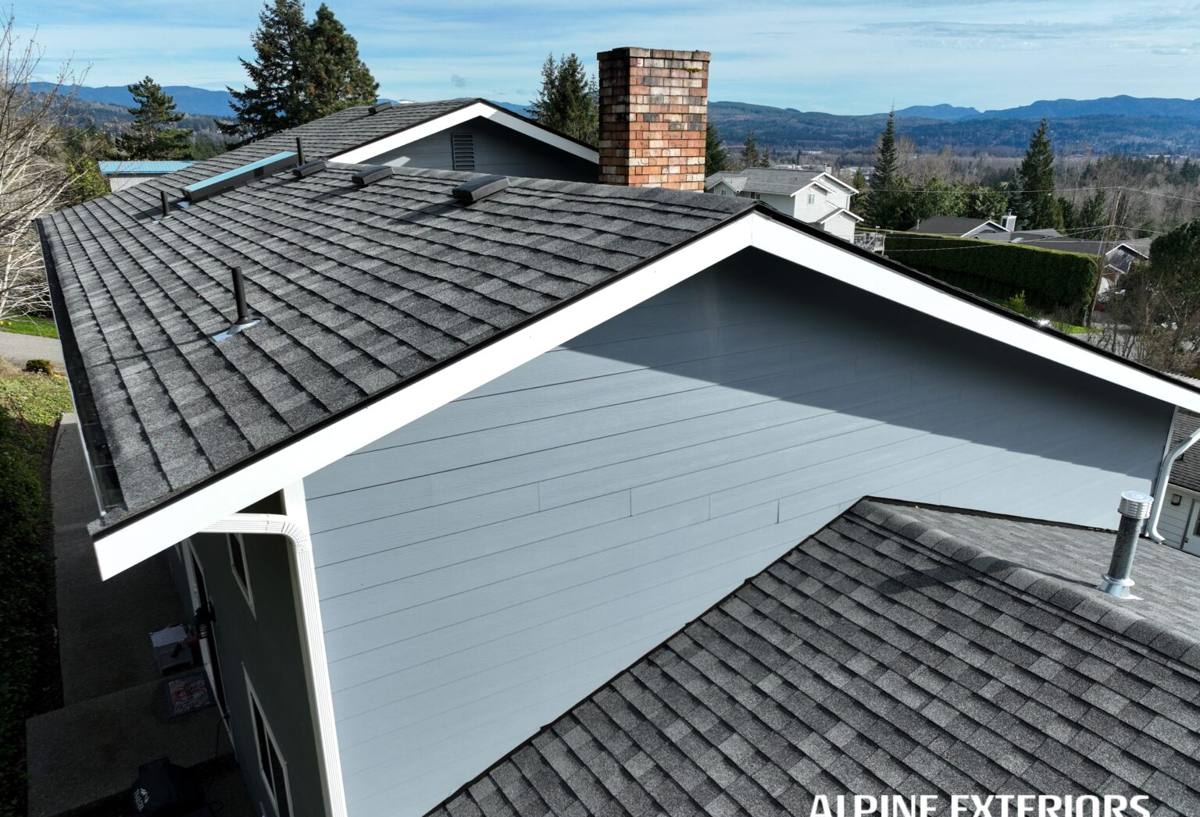
What Makes a Roof Installation "Correct" in This Climate
Underlayment and Secondary Water Barrier
Florida's building code requires a secondary water barrier on new roof installations for a reason: shingles and panels are the first line of defense, but wind-driven rain during a tropical system can push water sideways and under the primary roof covering. A self-adhering underlayment at the eaves, valleys, and around every penetration — not just felt paper stapled down — is what keeps that water out of the attic and ceiling when wind speeds climb. This is one of the most commonly skipped steps on cut-rate roof jobs, and it's invisible once the roof is finished, which is exactly why it matters to hire a crew that does it right the first time.
Flashing Details
Chimneys, skylights, sidewall transitions, and roof-to-wall intersections are where the overwhelming majority of roof leaks start — not in the open field of shingles or panels. Correctly installed step flashing, counter-flashing, and pipe boots, properly integrated with the underlayment (not just caulked over it), are what separate a roof that holds up through a decade of Gulf Coast storms from one that starts leaking within a year or two.
Fastening for Wind Uplift
Pinellas County sits in a high-wind zone under the Florida Building Code, and every new roof installation has to meet a minimum wind uplift rating tied to the local design wind speed. That means correct nail or screw patterns (not just nail count, but placement), the right fastener length to bite into solid decking, and — depending on the material — ring-shank nails or specified screws rather than whatever was on hand. This is inspected, not optional, and it's the single biggest factor in whether a roof survives a major wind event intact or ends up scattered across the yard.
Attic Ventilation
Intense year-round sun heats attic spaces well past outdoor air temperature. Without balanced intake and exhaust ventilation, that heat shortens the life of the roofing material from underneath, raises cooling costs, and can contribute to moisture problems. A new roof installation is the right time to correct ventilation that was never adequate to begin with.
Choosing a Roofing Material for a Childs Park Home
There's no single "best" roofing material — the right choice depends on budget, how long you plan to stay in the home, and how much upfront cost versus long-term durability you want to trade off. Here's how the common options compare for a home in this climate:
| Material | Typical Lifespan Here | Wind Performance | Upfront Cost | Maintenance |
|---|---|---|---|---|
| Architectural asphalt shingle | 20–30 years | Good, with proper nailing and rated products | Lowest | Periodic inspection, moderate |
| Standing seam metal | 40–50+ years | Excellent when properly fastened | Highest | Low |
| Concrete or clay tile | 40–50+ years | Very good, but heavier structural load | High | Low, but individual tiles can crack |
| 3-tab asphalt shingle | 15–20 years | Lower wind rating than architectural | Low | Higher, shorter service life |
For most Childs Park homes replacing an aging asphalt roof, architectural shingles rated for high wind offer the best balance of upfront cost and real-world durability. Metal and tile cost more to install but spread that cost over a much longer service life and hold up better against sustained UV and salt exposure — worth discussing if you're planning to stay in the home long term.
Permits, Codes, and Inspections in St. Petersburg
Every new roof installation in the city requires a permit, and the work has to meet the current Florida Building Code wind speed and product approval requirements for this area — not whatever code applied when the original roof went on decades ago. That's part of why a full re-roof, done correctly, brings a house significantly closer to current wind performance standards even if nothing else about the home changes.
The process typically includes a nailing or "dry-in" inspection before the roof covering goes on, confirming the deck and underlayment meet code, followed by a final inspection once the job is complete. A contractor who pulls the permit themselves and schedules these inspections as a routine part of the job — rather than treating them as a hurdle — is doing the work the way it's supposed to be done. A roof installed without a permit can create real problems later: with insurance claims, with a home sale, and with proving the wind rating the roof actually carries.
Our New Roof Installation Process, Start to Finish
- Inspection and honest assessment. We look at the existing roof, the decking condition where accessible, and any signs of past leaks before recommending replacement over repair.
- Material and system selection. We walk through the trade-offs above so the decision fits your budget and how long you plan to stay in the home.
- Permit and scheduling. We pull the permit and schedule the work, including the required inspections, before the crew shows up.
- Tear-off and deck inspection. The old roofing comes off down to the deck, and any damaged or rotted decking is identified and replaced — this is where hidden problems from years of small leaks usually surface.
- Underlayment, flashing, and dry-in. The secondary water barrier, valley protection, and flashing go in before anything else, and this stage typically gets inspected.
- Roof covering installation. Shingles, panels, or tile go on with the fastening pattern and spacing required for the local wind rating.
- Final inspection and cleanup. The job is inspected, the property is cleared of debris and nails (we run a magnetic sweep), and you get the paperwork — permit closeout and manufacturer warranty registration.
Signs a Childs Park Roof Is Due for Replacement
Not every roofing issue means a full replacement — but these are the signs worth having a professional actually look at, rather than waiting:
- Shingles that are curling, cracked, or missing granules in large patches
- Visible daylight through the attic decking or roof boards
- Staining on interior ceilings, especially after heavy rain
- Soft or spongy spots when walking the roof, indicating deck damage
- A roof that's 20+ years old and hasn't been fully evaluated recently
- Metal flashing that's visibly rusted or pulling away from the roof plane
- Granules collecting in gutters or at downspouts
- Difficulty getting or keeping homeowners insurance due to roof age or condition
Why a Crew That Already Works Childs Park Matters
Roofing crews that work this specific part of St. Petersburg regularly know the practical details that don't show up in a code book: how the permitting and inspection turnaround runs locally, what typical decking and roof framing look like in homes of this neighborhood's era, and how mature tree canopy in older, established neighborhoods affects both the tear-off cleanup and long-term debris on the roof. That familiarity translates into fewer surprises mid-job and a more accurate estimate up front, instead of change orders discovered halfway through.
It also means accountability. A crew that's planning to keep working in this neighborhood has every reason to do the flashing right, get the nailing pattern right, and stand behind the workmanship — because their next customer might be down the street.
What a New Roof Typically Costs — and What Moves the Number
Roofing costs vary enough by home and material that any flat number is misleading. What actually drives the price on a given house:
| Factor | Why It Matters |
|---|---|
| Roof size and pitch | More square footage and steeper pitches mean more material and labor time |
| Material choice | Architectural shingle, metal, and tile sit at very different price points |
| Decking condition | Rotted or damaged plywood found during tear-off adds material and labor |
| Number of existing layers | Removing multiple old layers takes longer than a single tear-off |
| Roof complexity | Valleys, dormers, and multiple roof planes add labor and flashing work |
| Permit and code upgrades | Bringing an older roof up to current wind and ventilation code can add scope |
The only way to get a real number for your home is a physical inspection — anyone quoting a firm price over the phone without seeing the roof is guessing.
Let's Take a Look at Your Roof
If your Childs Park home's roof is aging, showing signs of wear, or you just want an honest opinion on what condition it's really in, we're glad to come take a look. The estimate is free, there's no pressure to move forward, and you'll get a straight answer about what your roof needs — use the form below to get started.