 St. Petersburg Siding
 Board & Batten in Kenneth City: A Style That Has to Earn Its Keep
Board and batten siding — wide vertical panels with narrow strips covering each seam — has become one of the most requested looks in Pinellas County, and Kenneth City is no exception. It shows up as a full-house treatment on craftsman and modern-farmhouse builds, and just as often as an accent on gables, entryways, or a front-facing addition next to horizontal lap siding. It's a strong look. But in this part of Florida, "strong look" and "strong performer" are two different questions, and homeowners deserve a straight answer on both.
Kenneth City sits inside the same weather system as the rest of St. Petersburg and Pinellas County: long stretches of intense UV, sudden wind-driven downpours, hurricane-strength wind events during the season, and a steady dose of salt-laden air moving in off the Gulf and Tampa Bay. Vertical board and batten siding interacts with all four of those conditions differently than standard lap siding does, which is exactly why it needs to be treated as its own installation — not lap siding turned sideways.
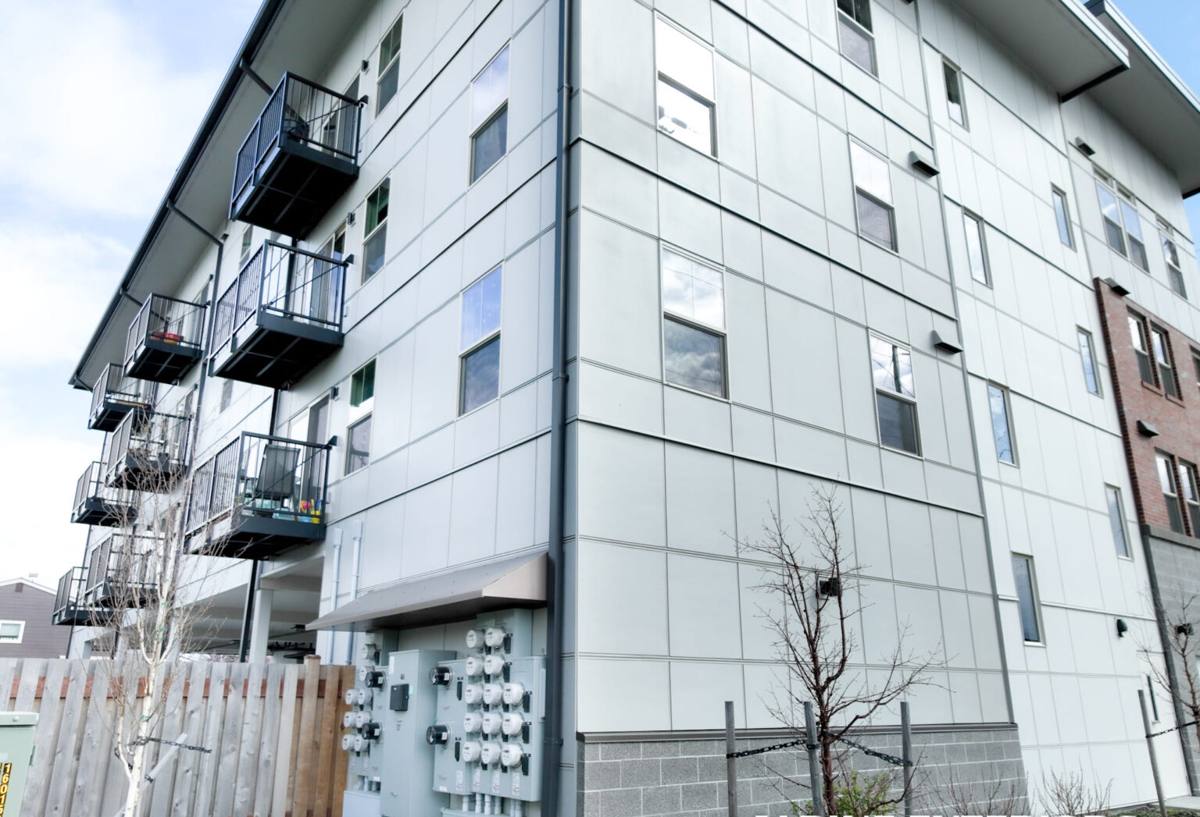
Why This Climate Is Harder on Board & Batten Than People Expect
The vertical orientation and the batten strip itself both change how the siding sheds water, handles wind load, and ages in the sun. Here's what actually matters for a home in this area.
Wind Load and Fastening
Wide, flat vertical panels present more surface area to a gust than narrow lap boards, and Pinellas County's wind design requirements reflect that reality. A board and batten installation that isn't fastened to the panel manufacturer's high-wind schedule — correct nail type, spacing, and edge distance — is the first thing to fail in a serious storm, usually starting at a corner or a top edge where uplift is highest.
UV Exposure and Finish Stability
Florida sun is relentless year-round, not seasonal. A field-applied paint finish on vertical siding shows fade and chalking fastest on south- and west-facing walls, and once it starts, every board and every batten strip needs repainting to match — there's no touching up just the faded side.
Wind-Driven Rain at the Seams
Board and batten depends on the batten strip and the gap behind it to manage water, not caulk alone. In wind-driven rain — which this coastline gets regularly, hurricane season or not — water gets pushed sideways and upward, not just down. If the water-resistive barrier, panel spacing, and batten fastening aren't detailed correctly, moisture works its way behind the siding rather than running off it.
Salt Air and Fastener Corrosion
Being close enough to the Gulf and Tampa Bay to catch salt-laden air, Kenneth City homes lose fasteners to corrosion faster than inland properties. A board and batten installation is only as weather-tight as the nails and screws holding the battens down — the wrong fastener metal is a slow, hidden failure that shows up as staining and loosening long before anyone notices a leak.
Material Comparison: Why We Don't Install This Style in Everything
Board and batten is available in vinyl, engineered wood (LP SmartSide and similar), and fiber cement. We only install James Hardie fiber cement, and the reasons are specific to how each material behaves in this exact climate — not a blanket knock on the other options.
| Material | Moisture Behavior | Wind/Impact Durability | Maintenance | Typical Lifespan Here |
|---|---|---|---|---|
| Vinyl board and batten | Sheds surface water but can warp or buckle from heat; seams are a weak point | Lower impact resistance; can crack or blow off in high wind if not rated correctly | Low, but color can't be repainted easily and fades over time | Shorter in intense coastal sun and heat cycling |
| Engineered wood (LP SmartSide, etc.) | Vulnerable at cut edges and battens if moisture gets in; wood-based core can swell | Good when installed correctly, but edge sealing is critical | Repainting and edge maintenance required on a schedule | Shorter than fiber cement if maintenance lapses |
| James Hardie fiber cement | Engineered for Florida's HZ10 humidity zone; doesn't rot or swell from moisture | Non-combustible, dense material holds up well to wind-driven debris | Factory ColorPlus finish means no repainting for years; occasional rinse | Longest-performing option when installed to spec |
Vinyl and engineered wood aren't scams — they're reasonable products with real trade-offs. We simply don't think those trade-offs (heat distortion, edge vulnerability, repainting cycles) make sense on a coastal Pinellas County home, so we standardized on Hardie and stopped installing the alternatives.
What a Correct Board & Batten Installation Actually Involves
The style looks simple from the street, but the assembly behind it has more steps than a standard lap job. A correct installation includes:
- A continuous, properly lapped water-resistive barrier behind the panels, with all penetrations sealed
- Panel joints and gaps sized to the manufacturer's expansion specification, not tight-fitted for looks
- Battens fastened independently into framing, not just through the panel into sheathing
- Corrosion-resistant fasteners rated for coastal exposure at every batten and panel edge
- Correct flashing and drip caps above windows, doors, and any horizontal transition
- Fastener spacing and edge distance matched to Pinellas County's wind design requirements
- Factory-finished color (not field paint) on every board and batten strip for consistent UV resistance
Fastening for a High-Wind County
Pinellas County's building requirements exist because this area sees real hurricane wind loads, not worst-case theorizing. For vertical siding, that means following the manufacturer's high-wind fastening schedule to the letter — tighter nail spacing, correct penetration depth, and no shortcuts at corners or terminations, where uplift forces concentrate first.
The James Hardie Board & Batten Options We Install
James Hardie makes two paths to this look, and which one fits depends on the home:
- Hardie Artisan Vertical Siding — a premium panel line with a more refined, dimensional profile, designed for homes where the vertical siding is a primary architectural feature
- HardiePanel Vertical Siding — the standard panel-and-batten system, a durable and cost-effective way to get the same look on a full elevation or as an accent
Both are engineered to Hardie's HZ10 specification for the Southeast's humidity and moisture exposure, and both come with a factory ColorPlus finish — baked-on color with a longer warranty against fading and chipping than field-applied paint can offer. That finish is a real advantage on a house that gets this much direct sun.
How We Approach a Kenneth City Board & Batten Project
Every job starts with an in-person look at the specific walls involved — sun exposure, current wall condition, and whether we're dealing with a full replacement or an addition to existing siding. From there:
- Assessment: we check the substrate, existing water-resistive barrier condition, and any signs of past moisture intrusion before quoting anything
- Plan: we spec the correct Hardie product, panel layout, and fastening schedule for that wall's wind exposure and orientation
- Install: WRB, flashing, panels, and battens go in following Hardie's published installation instructions — not a generic "board and batten" approach
- Inspect: we walk the finished elevation for fastener placement, gaps, and flashing before calling it done
We don't upsell scope that isn't needed, and we don't cut the water-resistive barrier or fastening steps to hit a lower number — those are the two places corners get cut industry-wide, and they're exactly where Florida weather finds the mistake later.
Living With Board & Batten Siding in This Climate
Once it's installed correctly, James Hardie board and batten is a low-maintenance material, but "low-maintenance" doesn't mean "no attention." A short seasonal routine keeps it performing:
- Rinse the siding periodically to clear salt residue, especially on Gulf-facing walls
- Walk the exterior after major storms and check batten fasteners and corner trim for movement
- Keep sprinklers and irrigation from spraying directly on the siding day after day
- Watch caulking at window and door transitions and have gaps re-sealed if they open up
- Trim back landscaping that traps moisture against any wall section
Why It Matters That We Already Work This Area
Board and batten siding done wrong doesn't usually fail on day one — it fails two or three storm seasons in, when a batten that wasn't fastened into framing works loose, or a gap that was caulked instead of properly flashed finally lets water behind the wall. A crew that already works Pinellas County knows the wind requirements this county enforces, has already worked through Kenneth City's permitting process, and has seen firsthand how sun exposure and salt air play out on real homes here — not just in a manufacturer's spec sheet.
If you're considering board and batten siding for a home in Kenneth City, we're happy to take a look and walk you through what your specific walls need. There's no pressure and no obligation — just a straight assessment and a written estimate you can take your time with.