 St. Petersburg Siding
 Asphalt Shingle Roofing for Gulfport Homes
Gulfport sits right on the water on the Pinellas peninsula, which means every roof here earns its keep. Between hurricane-season wind gusts, near-constant UV exposure, wind-driven rain that finds its way under poorly sealed edges, and the slow corrosive drip of salt air off the bay, a roof in this part of St. Petersburg works harder than one fifty miles inland. Asphalt shingles remain one of the most practical, cost-effective roofing choices for this climate when they're specified and installed correctly — the key phrase being "correctly." A shingle roof that's installed to a lower standard will show its age in Gulfport years before it would somewhere with milder weather.
We work on homes throughout Gulfport and the surrounding St. Petersburg neighborhoods, and we've based our process around what actually fails first out here: fastening, underlayment, ventilation, and edge detailing. Get those right and a quality shingle roof will give a homeowner decades of reliable service. Get them wrong and you're looking at leaks, blow-offs, and premature granule loss well before the shingles are "supposed to" wear out.
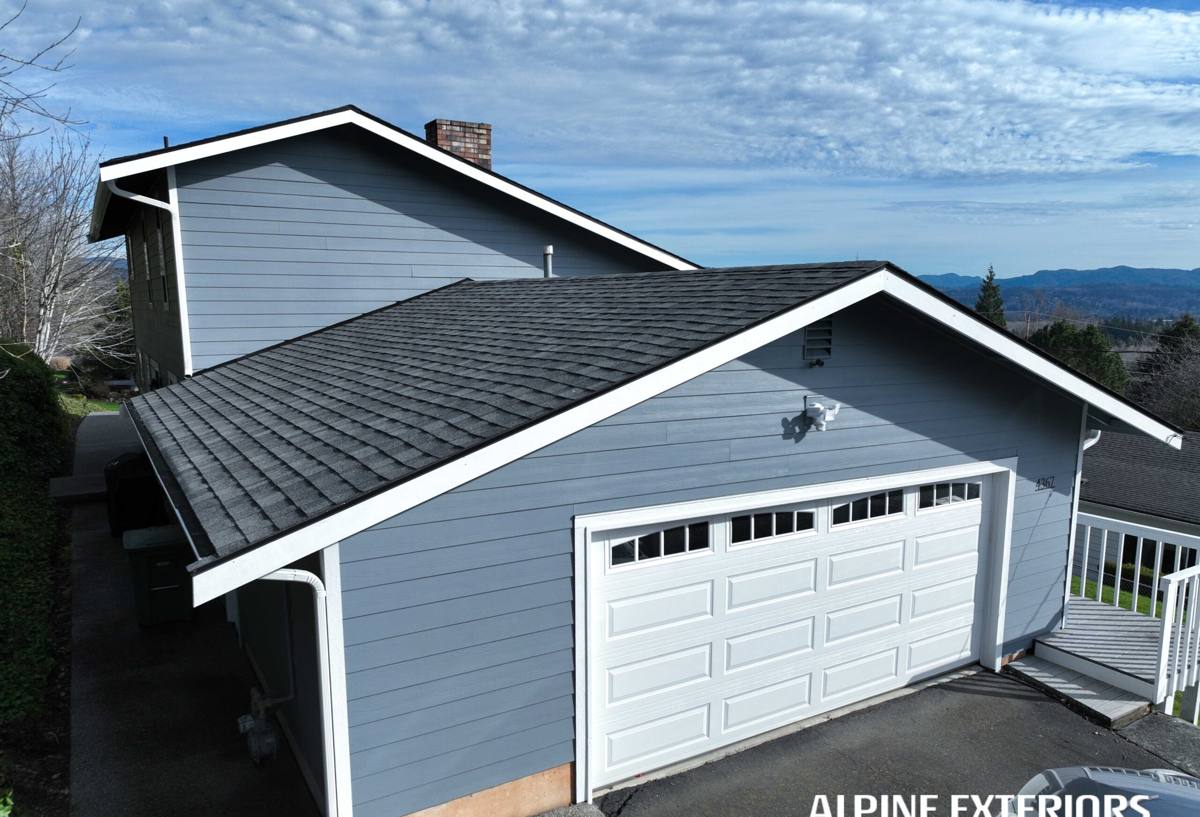
What Gulfport's Climate Actually Does to a Roof
Wind
Gulfport doesn't get a break just because it's a smaller, quieter community than the bigger Pinellas County beach towns — it sits exposed to the same tropical systems and seasonal squall lines. Wind doesn't fail a shingle roof evenly. It finds the weakest fastening pattern, the thinnest nailing zone, or the one row of shingles that wasn't sealed down properly, and it starts there. Once a few tabs lift, the next storm has an easier time peeling back more.
UV and heat
Florida sun is relentless on roofing, and it doesn't let up in winter the way it does farther north. UV breaks down the asphalt binders in a shingle over time, and heat cycling — hot days, cooler nights, repeated — accelerates that aging. Lower-grade shingles or shingles installed without adequate attic ventilation age faster because trapped heat under the deck cooks them from below as well as above.
Wind-driven rain
A shingle roof doesn't just need to shed water falling straight down — it needs to handle rain being pushed sideways and upward under the shingle edges during a storm. That's a function of underlayment, starter strip placement, and how the roof is detailed at valleys, penetrations, and edges, not just the shingle itself.
Salt air
Being close to the water means airborne salt settles on every exterior surface, including the roof. It accelerates corrosion on exposed metal — flashing, fasteners, vent stacks, drip edge — faster than it would inland. A roof detailed with the wrong grade of metal or fasteners will show rust streaks and deteriorating flashing well ahead of schedule.
What a Correct Asphalt Shingle Roof Involves
A shingle roof is a system, not just a layer of shingles nailed to plywood. Each component below has to be right for the roof to actually perform in a coastal Pinellas County environment.
- Deck inspection and repair — soft, rotted, or delaminated decking gets replaced before anything goes down. Fastening shingles to a compromised deck is a guaranteed future failure.
- Underlayment — a synthetic or self-adhering underlayment rated for wind-driven rain protection, installed with proper overlaps, especially in valleys and around penetrations.
- Starter strip at eaves and rakes — this is one of the most commonly shortcut steps on cheap installs, and it's the first line of defense against wind lifting the first course of shingles.
- Fastening pattern — correct nail count, placement in the manufacturer's nailing zone, and nail type. This single detail is the biggest factor in a shingle roof's wind performance.
- Flashing — step flashing at walls, counter-flashing where needed, and properly formed valley metal, sized and fastened for a coastal environment rather than the minimum spec.
- Ventilation — balanced intake and exhaust so the attic isn't trapping heat and moisture, which shortens shingle life and can contribute to deck rot from underneath.
- Sealant at penetrations — vent stacks, pipe boots, and any roof penetration sealed with materials that hold up to UV rather than drying out and cracking within a couple of seasons.
Our Process for Gulfport Roofing Projects
1. On-site inspection
We walk the roof (or use a lift/drone when pitch or access requires it), check the attic where accessible for ventilation and moisture signs, and look at flashing, valleys, and edge details — not just shingle condition from the ground.
2. Honest scope and written estimate
We tell you what actually needs to happen: full replacement, repair, or a maintenance plan to extend what's there. We explain the reasoning, in plain terms, so you're deciding with real information rather than guessing.
3. Permitting
Roofing work in St. Petersburg and unincorporated Pinellas County requires permits and inspections under the Florida Building Code. We handle that process rather than leaving it to the homeowner, and we build the schedule around it so there are no surprises.
4. Tear-off and deck prep
Old roofing comes off down to the deck (we don't recommend or perform overlay installs on tear-off situations where the deck needs to be evaluated), damaged decking is replaced, and the deck is prepped for underlayment.
5. Installation
Underlayment, flashing, starter strip, shingles, and ventilation components go in following manufacturer specifications and our own fastening and detailing standards — the ones built around what actually holds up in this climate, not just the code minimum.
6. Final walkthrough and cleanup
We walk the finished roof with the homeowner, confirm the scope was completed, and make sure the property — yard, driveway, landscaping — is cleared of debris and nails.
Shingle Options: A Practical Comparison
Not every asphalt shingle is built the same, and for a Gulfport roof the differences matter more than they would in a milder climate.
| Shingle Type | Typical Wind Rating | Best For | Trade-Offs |
|---|---|---|---|
| 3-Tab (standard) | Lower wind ratings, generally the least wind-resistant option | Budget-driven projects, secondary structures | Shorter lifespan in coastal wind and UV exposure; less impact and wind resistance than laminate options |
| Architectural / Laminate | Higher wind ratings when properly fastened, wide range by manufacturer | Most Gulfport homes — the standard recommendation | Higher material cost than 3-tab, but better durability and appearance |
| Impact-Resistant (Class 4) | Comparable wind performance to standard architectural, plus impact rating | Homeowners prioritizing hail/debris resistance and potential insurance credits | Higher upfront material cost; insurance discount depends on your carrier and policy |
We typically recommend a quality architectural shingle rated for high wind for most Gulfport homes — it's the point where durability, appearance, and cost line up best for a coastal environment. Impact-resistant shingles are worth discussing if you want the added protection and your insurance carrier offers a meaningful credit for them.
What Affects the Cost of a Shingle Roof in Gulfport
| Factor | Why It Matters Here |
|---|---|
| Roof size and pitch | More square footage and steeper pitches mean more material and labor, plus more safety setup on steep sections |
| Deck condition | Older homes near the water more often need deck repair or replacement before shingles go down |
| Number of layers to remove | Tear-off of multiple existing layers adds labor and disposal cost |
| Shingle grade chosen | 3-tab, standard architectural, and impact-resistant products carry different material costs |
| Flashing and detail work | Valleys, chimneys, skylights, and multiple roof planes all add labor time |
| Ventilation upgrades | Adding or correcting intake/exhaust ventilation protects the new roof's lifespan |
| Permitting requirements | Standard part of any legitimate reroof in St. Petersburg and Pinellas County |
We don't quote a number until we've actually seen the roof — anything else is a guess. What we can tell you honestly is that the cheapest bid is rarely the cheapest roof over ten or fifteen years, especially in a climate that punishes shortcuts.
Signs Your Gulfport Roof Needs Attention
- Granules collecting in gutters or at the base of downspouts
- Shingles that look curled, cupped, or cracked, especially on the sun-exposed side of the roof
- Missing or lifted shingles after a windy afternoon or storm
- Rust staining running down from flashing, vent stacks, or valleys
- Daylight visible through the attic roof deck, or musty attic odor
- Water stains on interior ceilings, particularly near chimneys, skylights, or wall intersections
- A roof approaching or past 15-20 years old with no major work done
Why It Matters to Hire a Crew That Already Works in Gulfport
Roofing rules and realities shift by jurisdiction and by climate exposure, and Gulfport's waterfront position within St. Petersburg and Pinellas County has its own particulars: permitting requirements through the city and county, Florida Building Code wind provisions, and the practical reality that a roof three blocks from the water ages differently than one further inland. A crew that already works this area knows the permitting process, knows which flashing and fastening details hold up against salt air, and isn't learning coastal roofing on your house.
There's also the simple matter of being reachable. A local crew is around for the follow-up inspection, the warranty question two years later, or the once-a-decade named storm that everyone in Pinellas County has to take seriously. We're not a call center dispatching a name we've never worked with before — we're a St. Petersburg-based team that shows up, does the work to a standard built for this coastline, and stands behind it.
Maintaining Your Shingle Roof After Installation
- Have gutters cleaned regularly so water isn't backing up under the roof edge
- Trim back overhanging branches to reduce debris buildup and abrasion on shingles
- Schedule a visual inspection after any major storm, even if nothing looks obviously wrong
- Keep an eye on attic ventilation — blocked vents shorten shingle life
- Address small flashing or sealant issues promptly rather than waiting for a leak to show up inside
- Get a professional inspection every couple of years, even on a newer roof
Get a Free Estimate for Your Gulfport Roof
If you're dealing with an aging roof, storm damage, or you just want an honest read on where things stand, we're happy to take a look. There's no pressure and no obligation — just a straightforward assessment from a crew that works this part of St. Petersburg regularly. Fill out the form below to schedule your free estimate.