 St. Petersburg Siding
 Asphalt Shingle Roofing Built for Coquina Key
Coquina Key sits on a peninsula wrapped by water on three sides, which means every roof out here takes a harder hit from the elements than a roof ten miles inland. Salt-laden air moves off Big Bayou and Little Bayou almost constantly, afternoon sun bakes the shingles nearly every day of the year, and when a tropical system tracks through the Tampa Bay area, this neighborhood is often in the first band of wind and wind-driven rain. An asphalt shingle roof can absolutely hold up here — but only if it's specified, installed, and maintained with that exposure in mind. That's the difference between a roof that looks fine on install day and one that's still performing correctly ten or fifteen years later.
We work on homes throughout St. Petersburg and Pinellas County, and Coquina Key is one of the areas we're in regularly. That matters more than it might sound like — a crew that already understands how this specific pocket of the city behaves in a storm, and how quickly salt air can undermine cheap materials or sloppy flashing work, isn't guessing. They're applying what they've already seen work and fail on roofs just like yours.
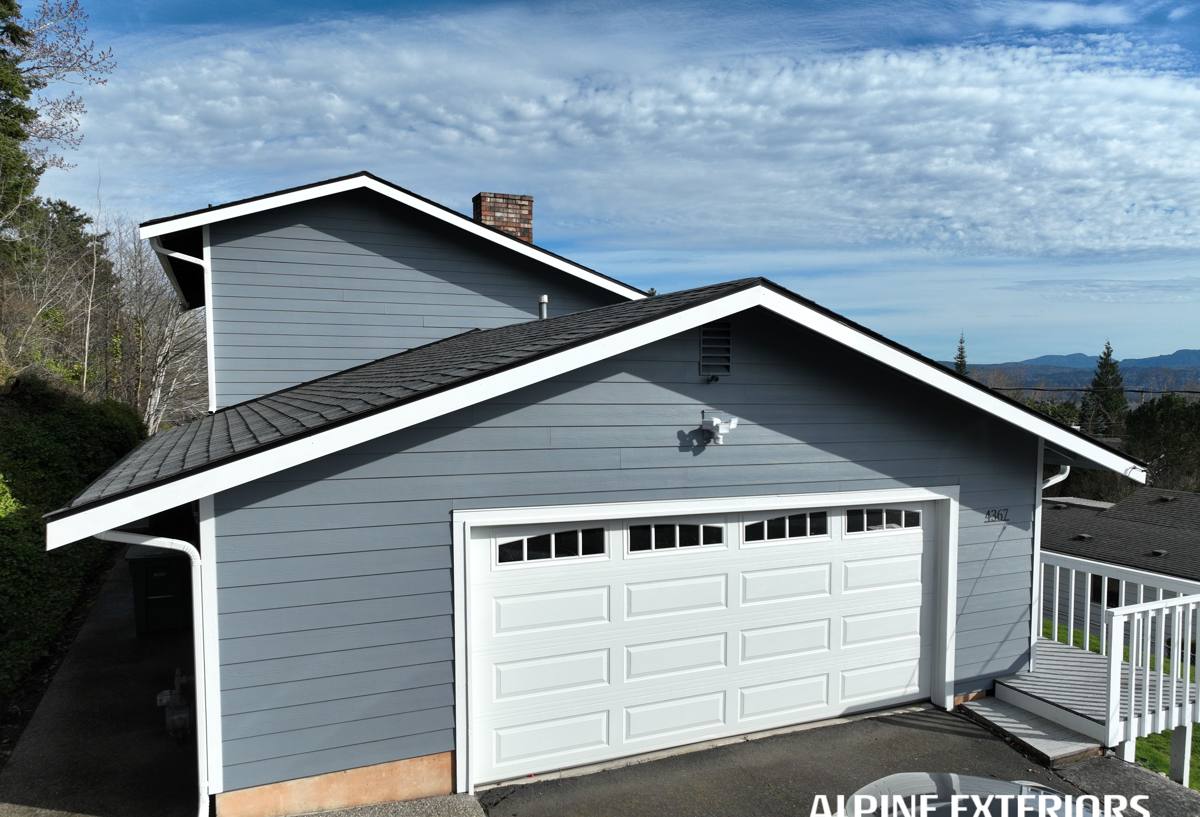
What Coquina Key's Climate Actually Does to a Roof
Wind
Pinellas County sits in a high-wind zone under Florida's building code, and waterfront and near-waterfront neighborhoods like Coquina Key see some of the more demanding conditions in the county. Shingles don't usually fail because the material itself is weak — they fail because the fastening pattern, the number of nails per shingle, or the starter and edge details weren't done to spec. Wind gets under a lifted edge or an under-nailed tab, and that one weak point can cascade into a much bigger loss during the next storm.
UV and Heat
Central Florida sun is intense nearly year-round, and a south- or west-facing slope on a Coquina Key roof takes a real beating. UV breaks down the asphalt binders in shingles over time, which is what eventually shows up as granule loss, brittleness, and cracking. This is a normal aging process for asphalt shingles everywhere, but it moves faster here than it does in a lot of the country.
Wind-Driven Rain
It's not just how much rain falls — it's the angle it comes in at during a squall or tropical system. Wind-driven rain finds any gap in flashing, any short overlap, or any valley that wasn't detailed correctly, and pushes water sideways and upward under the shingle field. A roof that's watertight in a normal vertical rain can still leak in a Gulf Coast squall if those details are cut short.
Salt Air
Because Coquina Key is surrounded by bayous connected to Tampa Bay, salt exposure is a real factor even without being directly oceanfront. Salt accelerates corrosion on exposed metal — nail heads, flashing, drip edge, vent boots with metal components — well before it does any visible damage to the shingles themselves. A roof built with standard-grade fasteners and thin flashing in a salt-air environment will show corrosion issues years before an identical roof built a few miles inland.
What a Correctly Installed Shingle Roof Includes Here
A roof that's going to hold up under Coquina Key conditions isn't just "shingles nailed to a deck." Every layer underneath the shingles is doing real work, and skipping or shortcutting any one of them is where roofs get into trouble during their first real storm.
- Deck inspection and repair — any soft, delaminated, or water-damaged sheathing gets replaced before anything goes back down, not covered over.
- Underlayment matched to exposure — a synthetic or self-adhering underlayment appropriate for a high-wind, high-UV, coastal-influenced roof, not a minimum-spec felt.
- Enhanced fastening — nail count and placement that meets or exceeds Florida's high-wind requirements, not the bare minimum a shingle warranty allows.
- Flashing at every penetration — valleys, walls, chimneys, skylights, and vent boots detailed and lapped correctly so wind-driven rain has nowhere to get under the field.
- Corrosion-resistant metal and fasteners — hardware chosen for a salt-air environment, not generic mill-grade components.
- Proper ventilation — balanced intake and exhaust so the attic isn't cooking the underside of the deck and shortening the roof's life from below.
- Starter strip and edge detail done right — this is one of the most common places we find corners cut on older roofs, and it's one of the first things to fail in wind.
Our Process for a Coquina Key Re-Roof or Repair
1. On-Site Inspection
We walk the roof and the attic, not just look at it from the driveway. We check deck condition, existing ventilation, flashing condition, and any signs of past leaks or wind damage. For repairs, we identify whether the issue is isolated or a sign of broader wear.
2. Straight Answer on Repair vs. Replace
Not every issue on a Coquina Key roof means a full replacement. If a roof is otherwise sound and the damage is localized — a lifted section, a failed boot, a flashing leak — we'll say so and fix what actually needs fixing. If the roof is at the end of its service life or has widespread wind or UV damage, we'll explain why and what your options look like.
3. Written Scope Before Any Work
You get a clear written scope covering materials, fastening approach, flashing details, and ventilation plan before a crew shows up — no verbal promises that don't make it onto paper.
4. Tear-Off and Deck Assessment
Old material comes off down to the deck so we can actually see what's underneath, rather than roofing over problems that will just resurface later.
5. Installation to Florida High-Wind Standards
Underlayment, flashing, and shingles go in following Florida's high-wind installation requirements as a floor, not a ceiling — with the coastal-grade hardware and detailing discussed above.
6. Final Walkthrough
We walk the finished roof with you, cover what was done, and make sure you know what routine maintenance and warranty coverage look like going forward.
Choosing a Shingle System for This Neighborhood
Not every asphalt shingle product is built the same, and in a wind- and UV-exposed neighborhood like Coquina Key, the differences matter more than they would somewhere with milder weather. We install architectural (laminated) shingles rated for high-wind zones as our standard for this area — they have a heavier build than basic three-tab shingles, which gives the fastening and sealant more material to hold onto in gusts.
| Factor | 3-Tab Shingles | Architectural (Laminated) Shingles |
|---|---|---|
| Wind rating (typical) | Lower — thinner, single-layer tab | Higher — heavier, multi-layer construction |
| UV/weathering resistance | Wears faster under intense sun | More resistant due to thicker asphalt mat |
| Typical lifespan in this climate | Shorter end of the range | Longer end of the range |
| Appearance | Flat, uniform | Dimensional, heavier look |
| Upfront cost | Lower | Moderately higher |
We generally steer homeowners here away from lower-tier three-tab products, not because they're incapable of keeping water out, but because their thinner profile and lighter fastening area give wind and UV less margin to work with over time — and replacing a roof early because it under-performed in year eight or nine ends up costing more than the upgrade would have.
Maintenance That Actually Extends Roof Life Here
A shingle roof in Coquina Key isn't "install it and forget it" — a little attention on a regular basis is what separates a roof that makes it to the end of its rated life from one that doesn't.
- Have the roof inspected after any major wind event, even if you don't see obvious damage from the ground.
- Keep gutters and valleys clear so water isn't sitting or backing up during heavy rain.
- Watch for granule buildup in gutters or downspouts — it's an early sign of UV wear on the shingle surface.
- Trim back overhanging branches; falling debris and constant shade both shorten shingle life.
- Address a small leak or lifted shingle right away — under Florida's sun and rain pattern, small issues don't stay small for long.
- Check attic ventilation periodically; a poorly ventilated attic ages a roof from underneath, independent of what's happening on top.
Why Local Experience in Coquina Key Matters
Coquina Key isn't a typical inland St. Petersburg neighborhood — its exposure to Big Bayou, Little Bayou, and Tampa Bay puts it closer to true coastal conditions than most of the surrounding area. A contractor who works this neighborhood regularly already knows which flashing details tend to fail first here, which fastening approach actually holds up when a named storm comes through, and how much salt exposure realistically shortens the life of standard hardware. That's knowledge that comes from doing the work in this specific area repeatedly, not from a general roofing checklist.
We also understand the practical side of working in a waterfront-adjacent community — permitting through the City of St. Petersburg, coordinating around narrow lots and driveways common in this part of the peninsula, and scheduling around the seasonal weather patterns that affect roofing work along the Gulf Coast.
Get a Free, No-Pressure Estimate
If your Coquina Key roof is showing its age, took a hit in the last storm, or you're just planning ahead, we're happy to take a look and give you a straight assessment — no pressure, no hard sell. Fill out the form below and we'll get in touch to schedule a time that works for you.