 St. Petersburg Siding
 Siding Installation for Pinellas Park Homes
Pinellas Park sits inland from the open coastline, but that doesn't mean local homes get a break from Florida's exterior punishment. Homes here still take on hurricane-force winds during tropical systems, wind-driven rain that gets pushed sideways into wall assemblies, intense year-round UV that bakes painted surfaces and cheaper composites, and salt-laden air that drifts in from Tampa Bay and the Gulf and settles on every exterior surface in the county. Siding that isn't built and installed for this specific combination of stressors fails faster here than it would almost anywhere else in the country.
We install siding across Pinellas County, and Pinellas Park is one of the neighborhoods we work in regularly. This page covers what a correct siding installation looks like for a home in this area, how our process works, and why the product we install matters as much as the labor behind it.
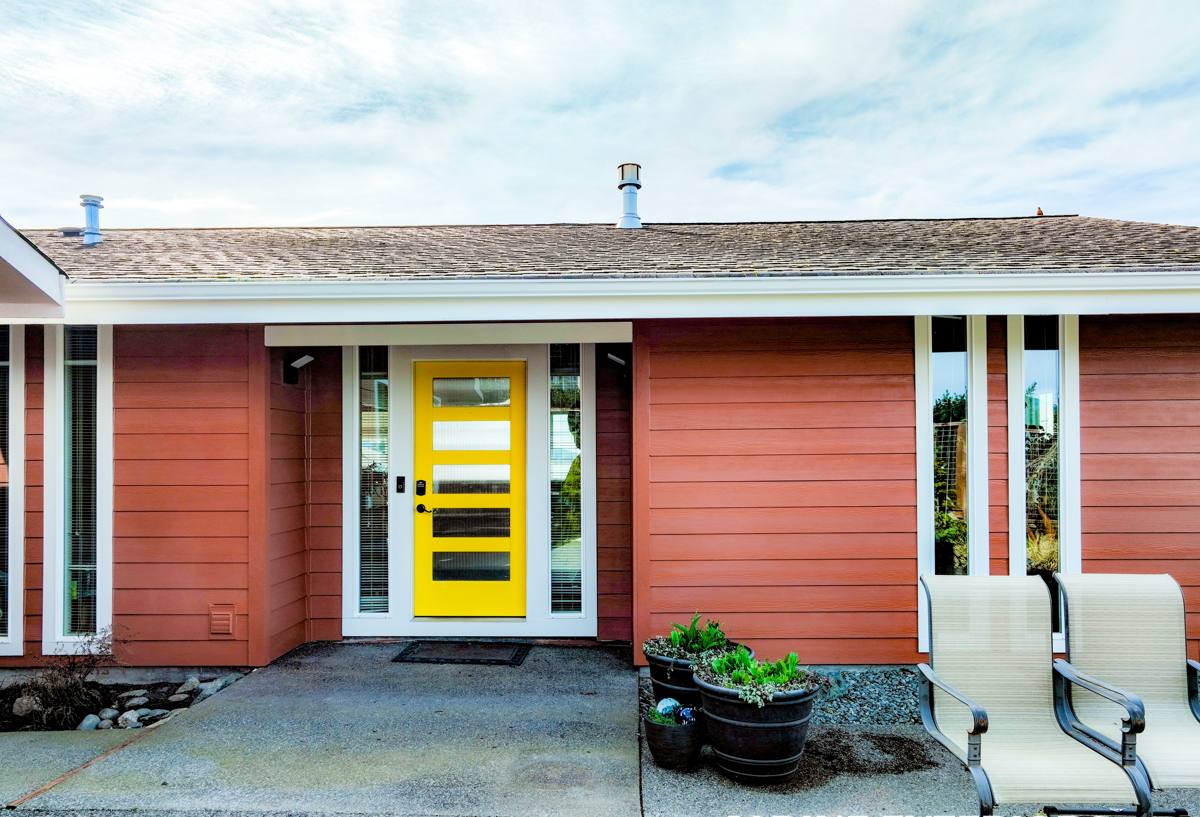
What Pinellas County Climate Does to Siding Over Time
Every siding material eventually shows wear, but the pace and pattern of that wear in Pinellas Park is shaped by a few specific conditions:
- Hurricane-force wind events: Even homes that never take a direct hurricane hit experience repeated tropical storm-force winds over the years, which stress fastening patterns, seams, and panel edges.
- Wind-driven rain: Rain that hits siding at an angle finds every gap in flashing, caulking, and panel overlap. Water intrusion behind siding, not surface weathering, is what causes the most expensive damage.
- Year-round UV exposure: Florida's sun is intense in every season, not just summer. UV breaks down pigments, resins, and adhesives in lower-grade siding materials faster than in most of the country.
- Salt air: Even set back from the water, Pinellas County homes are exposed to salt carried on the wind off Tampa Bay and the Gulf. Salt accelerates corrosion of fasteners and trim hardware and can degrade certain finishes over time.
- Humidity and heat cycling: Constant moisture in the air, paired with daily heat-up and cool-down cycles, stresses any material that expands and contracts at a different rate than the wall behind it.
None of this means Pinellas Park is a bad place to own a home with siding — it means the material and the installation both need to be matched to these conditions, not to a generic national standard.
What a Correct Siding Installation Actually Involves
Siding looks simple from the curb, but the parts that determine whether it lasts are the parts you can't see once the job is done. A correct installation in this climate has to get several layers right, in order:
Substrate and Moisture Barrier
Before any siding goes up, the wall sheathing needs to be sound and dry, and a proper weather-resistive barrier needs to be installed with correctly lapped seams so water sheds downward and outward instead of finding its way behind the wall. In a wind-driven rain climate, this layer is doing as much work as the siding itself.
Flashing at Every Penetration
Windows, doors, hose bibs, light fixtures, and vents are all places where water can get behind siding if flashing is skipped or done poorly. Every one of these penetrations needs proper flashing detail, not just a bead of caulk.
Fastening Pattern and Clearances
Fastener spacing, type, and depth all affect how well siding holds up to sustained wind loads. Manufacturer-specified nailing patterns exist for a reason, and cutting corners here is one of the most common causes of siding failure in wind events. Proper ground clearance and clearance from roof lines also matter, since siding installed too close to grade or to a roof surface stays wet longer and deteriorates faster.
Joints, Seams, and Caulking
Butt joints and seams are the weak points in any siding system. Correct installation minimizes exposed seams, backs them properly, and uses the right sealant in the right places — not sealant as a substitute for good flashing.
Why We Install Only James Hardie Fiber Cement Siding
We don't install vinyl, LP SmartSide, primed wood, or other fiber cement brands. We install James Hardie exclusively, and that's a deliberate standard, not a sales preference.
James Hardie fiber cement is non-combustible, which matters in a state where wildfire risk exists inland and where any added fire resistance is a genuine safety benefit. It's engineered specifically for humid, high-UV, coastal-influenced climates through Hardie's HZ5 product line, which is formulated for exactly the moisture and temperature swings Pinellas County sees. The factory-applied ColorPlus finish is baked on under controlled conditions, which gives it better fade and wear resistance over time than field-applied paint on other materials, and it comes with a real, transferable warranty backing both the material and the finish.
Vinyl siding can warp and deform in intense heat and doesn't hold up as well to wind-driven impacts. LP SmartSide and other engineered wood products rely on maintaining an intact factory coating to resist moisture — once that coating is compromised at a cut edge or fastener point, the wood substrate underneath is vulnerable to swelling and rot in a humid climate. These aren't defects so much as trade-offs, but they're trade-offs we've decided not to put on a home in this climate when a better-suited option exists. Fiber cement, done right, holds its shape, resists moisture intrusion at the material level rather than relying solely on a surface coating, and stands up to the wind and salt exposure common in Pinellas Park far better over the long run.
Our Installation Process
1. On-Site Assessment
We start by inspecting the existing siding, sheathing, and any visible trouble spots — soft spots, staining, gaps around windows and trim, and areas where past water intrusion may have occurred. This tells us what's happening behind the current siding, not just what's visible on the surface.
2. Tear-Off and Substrate Repair
Old siding comes off, and any damaged sheathing or framing found underneath gets repaired before anything new goes up. Installing new siding over a compromised substrate just hides a problem instead of fixing it.
3. Weather-Resistive Barrier and Flashing
We install a proper moisture barrier with correctly lapped seams, then flash every window, door, and penetration before the first piece of siding is hung.
4. James Hardie Panel or Plank Installation
Siding goes up following Hardie's specified fastening pattern, clearances, and joint treatment for our climate zone. This isn't a step we shortcut regardless of schedule pressure.
5. Trim, Caulking, and Finish Detail
Trim work, corner details, and caulking are finished to shed water at every seam, and touch-up on the ColorPlus finish is done with Hardie-matched product where needed.
6. Final Walkthrough
We walk the finished job with the homeowner, point out anything worth knowing for future maintenance, and make sure the work matches what was scoped.
Signs a Pinellas Park Home May Need New Siding
Not every siding problem is obvious from the driveway. Some of the more common signs we see on homes in this area include:
- Visible warping, buckling, or gaps between panels
- Soft or spongy spots when pressed, which can indicate moisture behind the siding
- Persistent staining, streaking, or mildew that keeps returning after cleaning
- Paint or finish that's chalking, peeling, or fading unevenly, especially on sun-exposed walls
- Cracked or missing sections after a wind event
- Rising energy bills that may point to a compromised building envelope
- Visible rust streaking from fasteners, a sign of corrosion working its way outward
Any one of these on its own might be minor. Several together, especially on a home that hasn't had its siding replaced in a couple of decades, usually means it's worth a real inspection rather than another round of patching.
What Affects the Cost of a Siding Installation
Every home is different, so we won't quote a number without seeing the property, but these are the main factors that drive cost on a project like this:
| Factor | Why It Matters |
|---|---|
| Home size and wall area | More square footage means more material and labor |
| Substrate condition | Rotted or damaged sheathing found during tear-off adds repair work before new siding can go up |
| Siding profile | Lap plank, shingle-style panels, and vertical siding all have different material and labor costs |
| Trim and architectural detail | Homes with more corners, gables, and window trim take more time to detail correctly |
| Story height | Second-story and multi-story walls require more setup, staging, and labor time |
| Color and finish | Factory-finished ColorPlus panels versus field-painted trim can shift the budget |
| Access and site conditions | Tight lots, landscaping, or limited equipment access can add time to the job |
Why Hiring a Crew That Already Works Pinellas Park Matters
A siding installer who regularly works in Pinellas County already understands how the local climate behaves through a full year, not just in theory. That means knowing how much clearance to leave near grade in a state where ground moisture and irrigation are constant, understanding how salt exposure factors into fastener and hardware choices even away from the immediate coastline, and building in the wind resistance detail that matters when a tropical system rolls through. It also means being familiar with Pinellas County's permitting and inspection process, so the job moves through approval without unnecessary delays.
A crew unfamiliar with this region might build to a generic national standard that technically passes code elsewhere but isn't matched to what Pinellas Park homes actually face year after year. That gap tends to show up years later, in the form of premature failure, not on day one.
Caring for Your Siding After Installation
James Hardie fiber cement is low-maintenance compared to most alternatives, but "low-maintenance" isn't "no-maintenance." A short list of what keeps it performing well:
- Rinse the exterior periodically to clear salt residue and airborne grime, especially on walls facing prevailing wind
- Keep irrigation heads and sprinklers from spraying directly on siding
- Trim landscaping back so it doesn't trap moisture against the wall
- Inspect caulking at trim and penetrations annually and touch up as needed
- Address any impact damage or cracked caulk lines promptly rather than letting water find its way behind the panel
- Have the siding checked after any major wind event, even if no damage is visible from the ground
Get a Free Estimate for Your Pinellas Park Home
If your siding is showing its age, took damage in a recent storm, or you're planning ahead of the next hurricane season, we're happy to take a look. There's no pressure and no obligation — just a straight assessment of what your home's siding needs and what a correct James Hardie installation would involve. Fill out the form below to get started.