 St. Petersburg Siding
 Building a Deck That Actually Holds Up in Pinellas Park
Pinellas Park sits in one of the more demanding climates in the country for outdoor structures. Between the Gulf's salt-laden air, near-daily summer humidity, intense UV exposure almost year-round, and the real possibility of hurricane-force wind and wind-driven rain, a deck built to generic "national average" standards tends to show its age fast in Pinellas County. Boards cup, fasteners corrode, railings loosen, and what should have been a fifteen-year structure starts needing repairs by year five.
A correctly built custom deck for this area isn't just about picking an attractive decking material. It's about the substructure underneath it, the fasteners holding it together, the drainage beneath the joists, and how the whole assembly is anchored to the house and the ground. This page covers what actually matters for a deck built in Pinellas Park, not generic deck-building advice.
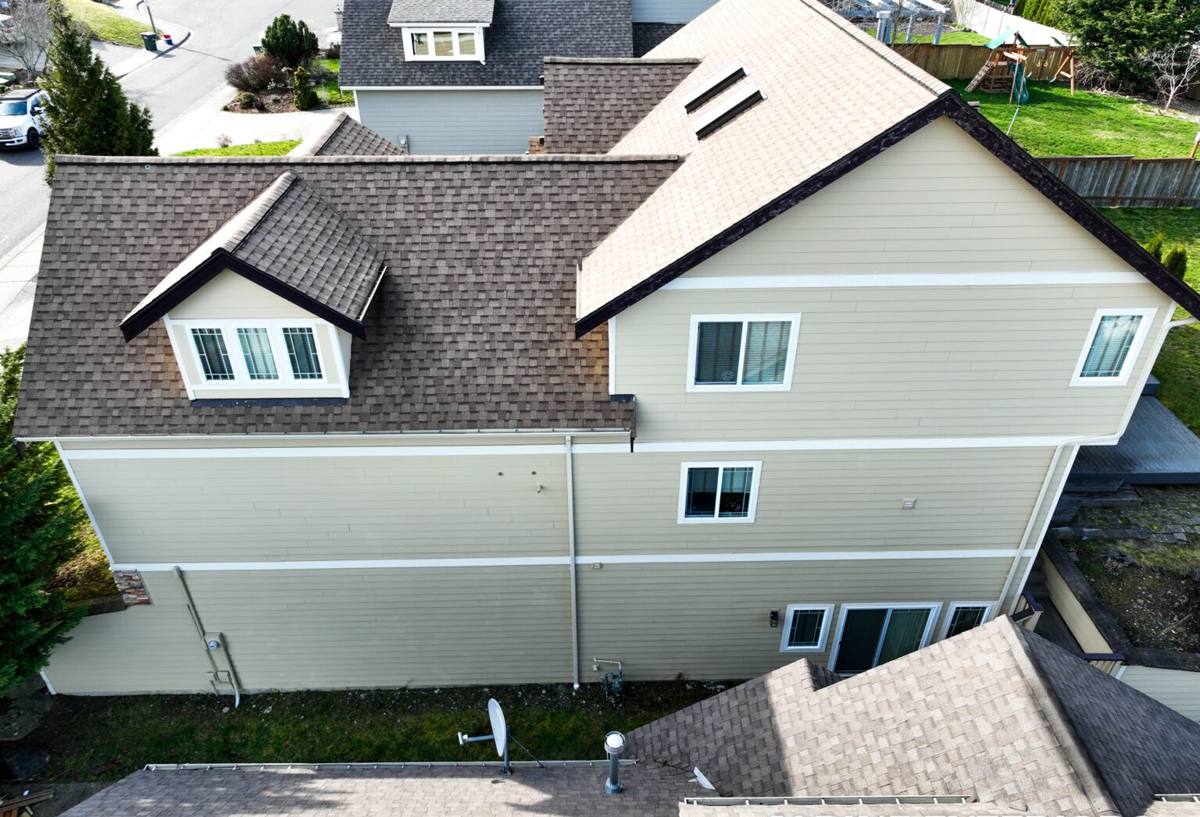
What the Local Climate Does to an Outdoor Deck
Heat and UV
Florida sun is harder on exterior materials than most homeowners realize. UV breaks down the lignin in wood fibers, causing graying and surface roughness, and it degrades lower-grade composite formulations over time, leading to fading or chalking. Dark decking surfaces also absorb significant heat, which matters for bare feet and for how much the boards expand and contract day to day.
Humidity and Wind-Driven Rain
Afternoon storms in Pinellas County don't just fall straight down — wind-driven rain gets pushed sideways and underneath decking boards, into ledger connections, and into any gap that isn't properly flashed or sealed. Moisture that gets trapped against framing, rather than draining and drying, is what causes rot and fastener corrosion, not simply "getting wet."
Salt Air
Even well inland from the immediate coastline, St. Petersburg and Pinellas Park get enough salt aerosol carried on Gulf breezes to accelerate corrosion on standard steel hardware. Fasteners, brackets, and structural connectors need to be rated for coastal exposure, not just "exterior use," or they'll rust and weaken well before the decking itself wears out.
Hurricane-Force Wind
A deck is a structure, and in this county it has to be engineered like one. Railings, stair stringers, and the connection between the deck and the house all need to resist uplift and lateral load, not just support foot traffic. This is where a lot of older or poorly built decks fail first in a storm — not the decking boards, but the ledger connection or railing posts.
Choosing a Decking Material for This Climate
There's no single "best" material — the right choice depends on budget, how much upkeep you want to do, and how the deck will be used. Here's how the common options actually perform in a Pinellas Park backyard:
| Material | Heat & UV Behavior | Moisture Behavior | Maintenance |
|---|---|---|---|
| Pressure-treated pine | Grays and roughens with UV exposure unless refinished | Prone to cupping and splitting if not sealed and drained properly | Annual cleaning, refinish every 1-3 years |
| Tropical hardwoods (e.g. ipe) | Naturally UV- and rot-resistant, but will silver without oiling | Excellent when installed with proper gapping and hidden fasteners | Periodic oiling to maintain color; low structural maintenance |
| Capped composite | Stable in heat; quality-dependent fade resistance | Doesn't rot, but poor-quality cores can still trap moisture if drainage below the deck is wrong | Occasional washing; no sealing or staining |
| Uncapped/lower-grade composite | More prone to fading, chalking, and surface wear in strong UV | Can absorb moisture at cut edges over time | Low, but shorter realistic lifespan in this climate |
We'll walk you through the honest trade-offs for your budget and how the deck will be used — a low-maintenance composite for a rental property is a different conversation than a hardwood deck you plan to keep for twenty years.
What a Correct Build Actually Involves
Substructure and Fasteners
The framing, joists, and connectors matter more to longevity than the decking surface on top. In Pinellas County, that means coastal-rated fasteners and structural hardware, proper joist spacing for the decking product chosen, and hidden or corrosion-resistant fastening systems where possible to avoid the rust streaking you often see on older decks.
The Ledger Connection
Where the deck attaches to the house is the single most safety-critical connection on the structure, and it's also the point most exposed to wind-driven rain running down the siding. It needs correct flashing, proper lag or through-bolt fastening (not just nails), and a water management detail that keeps moisture from tracking behind your siding or into the rim joist.
Drainage Beneath the Deck
Standing water or trapped humidity underneath a deck is one of the most common causes of premature rot and pest issues in Florida. Grading, gapping between boards, and airflow underneath the structure all need to be planned during design, not fixed after the fact.
Wind-Resistant Railings and Stairs
Railing posts need to be through-bolted into framing designed to receive that load, not just screwed to the rim joist. Stair stringers need adequate bearing and lateral bracing. These are the details that separate a deck that survives a strong storm from one that doesn't.
Permitting and Local Code
Deck permits in Pinellas County exist for a reason — they verify footing depth, structural connections, and railing height/spacing meet current code, all of which matter far more in a hurricane-prone area than they would somewhere with milder weather. A properly permitted and inspected deck also protects you at resale, since an unpermitted structure can become a negotiating problem or even a required teardown when a home sells.
We handle the permitting process as part of the job — pulling the permit, scheduling inspections, and building to the plans that were approved, so you're not left managing that paperwork yourself.
How Our Process Works
- On-site consultation — we look at your yard's grading, sun exposure, and how the deck connects to your home before recommending anything.
- Design and material selection — we go over material trade-offs honestly, based on your budget and how you'll use the space.
- Permitting — we prepare and submit plans and handle inspections through the county.
- Site prep and footings — footings are set to the depth and spacing required for this soil and wind zone.
- Framing and structural connections — ledger, joists, and hardware installed to coastal-rated standards.
- Decking, railing, and stairs — installed with proper gapping, fastening, and bracing.
- Final walkthrough — we go over care and maintenance specific to the material you chose.
Maintenance That Actually Extends the Life of Your Deck
- Rinse off salt residue, pollen, and debris regularly — buildup traps moisture against the surface.
- Keep gutters and downspouts directing water away from the deck footings, not onto them.
- Check railing posts and stair connections yearly for any looseness, especially after a strong storm season.
- Reseal or refinish wood decking on the schedule appropriate to that species — don't wait until it's already graying badly.
- Keep the area underneath the deck clear of stored items and vegetation to preserve airflow and drainage.
- Inspect fastener heads and hardware for early rust or corrosion, particularly on decks closer to the water.
Why a Crew That Already Works in Pinellas Park Matters
Building decks correctly for St. Petersburg and greater Pinellas County isn't the same as building them for a drier, cooler climate. A crew that already works in this area knows what local inspectors look for, understands how the wind and rain actually behave here, and has already seen which shortcuts fail first in this environment. That translates into fewer surprises during permitting, fewer callbacks for moisture or hardware issues, and a deck that's actually built for the conditions it has to survive — not a generic build dropped into a coastal climate.
What to Look for When Hiring a Deck Contractor Here
- Proof of licensing and insurance appropriate for structural work in Florida.
- Willingness to pull permits and schedule inspections rather than working around them.
- A clear, specific explanation of the fasteners and structural hardware they use — not just the decking brand.
- Experience with the ledger and drainage details specific to your home's siding and grading.
- A written scope that specifies footing depth, connector types, and railing construction, not just square footage and material.
If you're planning a new deck or replacing one that's past its prime, we're happy to walk your property, talk through material options honestly, and give you a straightforward, no-pressure estimate built around what your home in Pinellas Park actually needs. Use the form below to get started.