 St. Petersburg Siding
 Siding Replacement for Gulfport Homes
Gulfport sits close to the water on the Pinellas peninsula, which means homes here take a different kind of beating than houses further inland. Between hurricane-force wind events, wind-driven rain that gets pushed sideways into wall assemblies, intense year-round UV exposure, and the steady presence of salt air off the bay, exterior siding in this part of St. Petersburg has to do more work than siding almost anywhere else in the country. When it's time to replace siding on a Gulfport home, the goal isn't just to make the house look new. It's to put a product and an installation on the walls that can actually stand up to what this specific location throws at it, year after year.
We install James Hardie fiber cement siding exclusively, and Gulfport is exactly the kind of coastal-adjacent neighborhood where that choice matters most. This page walks through what local homes need from a siding replacement, what a correct installation actually involves, and how our process works from first estimate to final walkthrough.
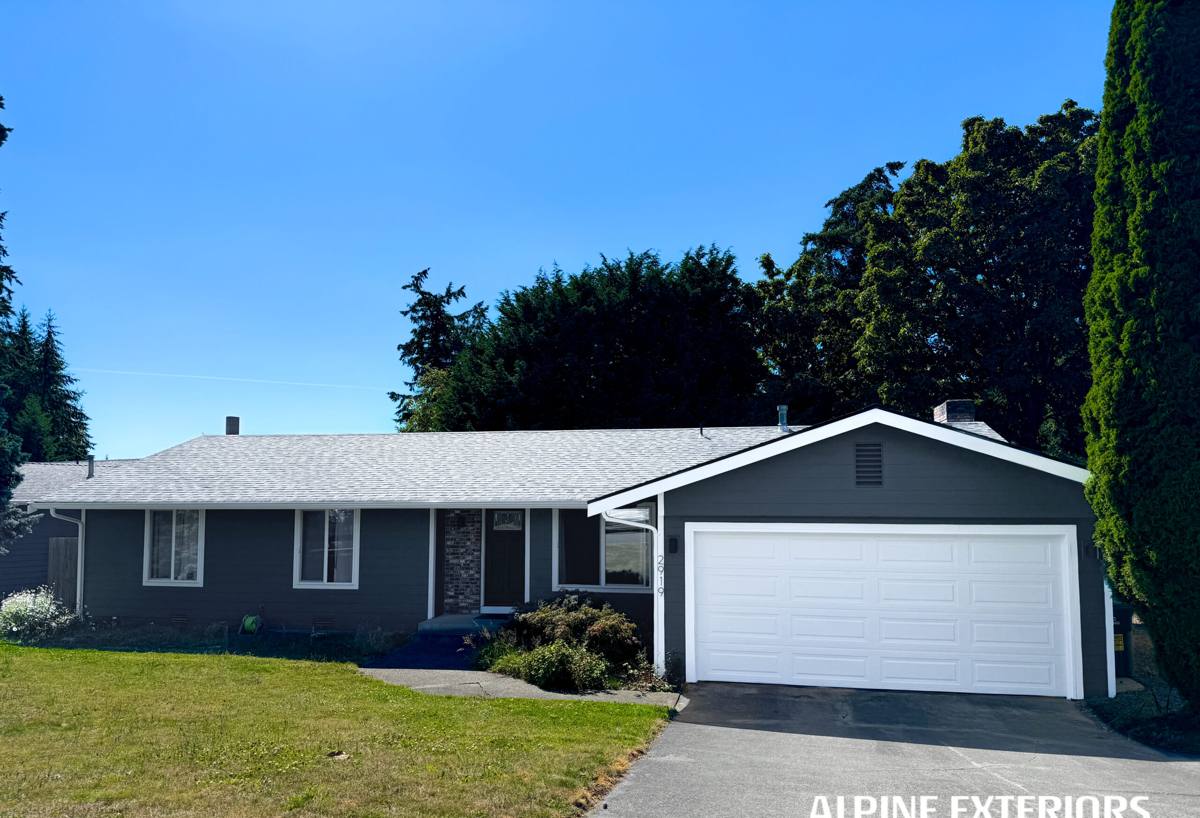
Why Gulfport's Climate Is Hard on Siding
Hurricane and Tropical Storm Wind Loads
Pinellas County sits in a hurricane-prone zone, and Gulfport's position near open water means wind events can arrive with real force even from storms that stay offshore. Siding that isn't fastened correctly, or that's made from a material prone to cracking or losing its grip under sustained wind pressure, becomes a liability during the exact events it needs to survive. Fastener pattern, panel overlap, and edge treatment all matter more here than they would on a house fifty miles inland.
Wind-Driven Rain
It's not just how much rain falls in this area — it's how it arrives. Wind-driven rain during storms and even routine summer downpours gets forced horizontally into wall assemblies, testing every seam, joint, and piece of flashing. A siding system with weak moisture management will let water track behind the cladding, and once that starts, the damage happens where you can't see it until it's expensive.
Year-Round UV Exposure
St. Petersburg gets sun nearly every day of the year, and that constant UV load fades color and degrades certain materials faster than in most other US climates. Siding that isn't engineered to hold color under this kind of exposure will look tired and chalky well before its expected lifespan is up.
Salt Air
Gulfport's proximity to Boca Ciega Bay and the greater Tampa Bay estuary means salt-laden air is a constant, low-level presence. Salt air accelerates corrosion in metal fasteners and trim, and it degrades some siding materials and finishes faster than inland exposure would. Material choice and fastener selection both need to account for this.
What a Correct Siding Replacement Involves
Replacing siding isn't just swapping old panels for new ones. Done right, it's a full envelope job. Here's what should happen on every Gulfport siding replacement:
- Full removal of old siding down to the sheathing, not installation over existing material
- Inspection of sheathing for rot, delamination, or storm damage before anything new goes up
- Installation of a weather-resistive barrier designed for wind-driven rain conditions
- Correct flashing at every window, door, and penetration point
- Proper fastener spacing and type, matched to the wind zone and to a coastal-adjacent environment
- Manufacturer-specified clearances at grade, roofline, and trim to prevent moisture wicking
- Caulking and sealing at joints and transitions, done to spec rather than "close enough"
Skipping any one of these steps doesn't usually show up as a problem on day one. It shows up two or three years later as a soft spot, a stain, or a section of siding that's failing while the rest of the house looks fine.
Why We Only Install James Hardie Fiber Cement
We made a decision as a company to install James Hardie fiber cement siding and nothing else — not vinyl, not LP SmartSide, not primed wood, not other fiber cement brands. That decision comes from what we've seen hold up in Florida's climate and what we're willing to put our name behind.
Non-Combustible
James Hardie fiber cement is non-combustible, which matters for insurance considerations and for peace of mind, independent of the coastal weather conversation.
Built for Moisture
Hardie's HZ5 product line is engineered specifically for high-humidity, storm-prone climate zones like ours. It resists moisture-related damage, cracking, and warping in ways that matter directly for a neighborhood dealing with wind-driven rain on a regular basis.
ColorPlus Factory Finish
Rather than relying on a job-site paint job, Hardie's ColorPlus finish is baked on at the factory under controlled conditions, which gives it better UV and fade resistance than field-applied paint — a meaningful advantage under St. Petersburg's sun load.
Warranty Backing
James Hardie backs its siding with a strong, transferable limited warranty. That transferability matters in a market like Gulfport, where homes change hands and buyers want to know the exterior envelope is covered, not just cosmetically fresh.
Vinyl siding, by comparison, can soften, warp, or become brittle under sustained heat and UV, and it's more vulnerable to wind uplift in storm events. LP SmartSide and other wood-based composite products carry more moisture sensitivity at cut edges and seams than fiber cement does. We're not saying these products have no place anywhere — we're saying that for this climate, on this coastline, we won't put our name on an installation using them.
Comparing Siding Options for a Coastal Pinellas Home
| Factor | James Hardie Fiber Cement | Vinyl | Wood/Composite (e.g., LP SmartSide) |
|---|---|---|---|
| Wind resistance | Engineered fastening, rigid panel | Can flex, crack, or blow off in high winds | Moderate; edge damage common in wind-driven rain |
| UV/fade resistance | Factory-baked ColorPlus finish | Can fade and chalk over time | Field-applied paint fades faster, needs repainting |
| Moisture behavior | HZ5 line engineered for humid, storm climates | Doesn't rot, but traps moisture behind panels if installed poorly | Vulnerable at cut edges and seams if not sealed correctly |
| Combustibility | Non-combustible | Combustible | Combustible |
| Warranty | Strong, transferable | Varies by manufacturer | Varies, often shorter |
Our Process for a Gulfport Siding Replacement
1. On-Site Estimate
We walk the exterior with you, look at the current siding and sheathing condition, and talk through what's driving the replacement — storm damage, age, moisture issues, or just wanting a coastal-durable upgrade.
2. Written Scope and Product Selection
You get a clear written scope covering removal, sheathing repair if needed, the specific Hardie product line and color, and the fastening and flashing details — no vague line items.
3. Removal and Inspection
Old siding comes off completely so we can see the sheathing underneath. Anything compromised gets addressed before new siding goes up — this is the step that gets skipped by crews trying to move fast, and it's the one that matters most in a wind-driven rain climate.
4. Installation to Manufacturer Spec
Weather barrier, flashing, and Hardie panels or planks go up following James Hardie's installation guidelines, with fastener spacing and clearances set for this wind zone and coastal exposure.
5. Final Walkthrough
We go over the finished work with you, confirm caulking and trim details are clean, and make sure you understand your warranty coverage.
Why It Matters to Hire a Crew That Works Gulfport
A siding crew that regularly works Gulfport and the surrounding St. Petersburg area understands the specific wind zone requirements, the way salt air affects fastener and trim choices, and how local permitting and inspection processes work in Pinellas County. That's different from a crew that mostly works inland jobs and treats every siding replacement the same way regardless of where the house sits. Coastal-adjacent installation isn't more complicated, but it does require attention to details — clearances, fastener corrosion resistance, flashing at penetrations — that matter more here than they would fifty miles from the water.
Signs a Gulfport Home May Need Siding Replacement
- Visible cracking, warping, or buckling in siding panels
- Soft spots or give when you press on the siding, which can indicate moisture damage underneath
- Persistent staining, streaking, or discoloration that doesn't wash off
- Siding that's more than 20-25 years old, especially if it's a material other than fiber cement
- Visible gaps, loose panels, or fasteners backing out
- Rising energy bills that may point to a compromised building envelope
- Recent storm damage, even if it looks minor from the ground
If your home is showing any of these signs, it's worth having someone look at the sheathing underneath, not just the surface.
What Affects the Cost of a Siding Replacement
Every home is different, but a few factors consistently drive cost on a Gulfport siding replacement project: the size and shape of the home, the condition of the sheathing once old siding comes off, the Hardie product line selected (lap siding, shingle-style panels, or board-and-batten each have different material and labor costs), and the amount of trim, flashing, and detail work around windows and doors. We'll walk through all of this during your estimate so there are no surprises once work begins.
If you're weighing a siding replacement for a Gulfport home, we're happy to come take a look and give you a straightforward, no-pressure estimate. There's a form below — reach out and we'll get you scheduled.