 St. Petersburg Siding
 Roof Repair in Childs Park: A Neighborhood With Its Own Wear Pattern
Childs Park is one of St. Petersburg's older, established neighborhoods, and that means a real mix of roof ages and roof types — some homes on their original shingles from decades ago, others with newer roofs installed after a storm claim, and a fair number of flat or low-slope sections over additions, porches, and carports. When we get called out to Childs Park, we're rarely looking at one uniform problem. We're looking at a house that's been through years of Pinellas County summers, and the repair has to match the roof that's actually there, not a generic template.
What doesn't change from house to house is the climate doing the damage. St. Petersburg sits in a stretch of Florida that gets hit from every direction: hurricane-force wind gusts that lift and stress roofing materials, sun exposure intense enough to break down shingle asphalt and membrane coatings well before their rated lifespan, wind-driven rain that finds every gap in flashing and underlayment, and salt-laden air drifting in off the water that corrodes exposed metal faster than most homeowners expect. A roof repair here isn't just patching a hole — it's addressing whichever combination of those four forces got to the roof first.
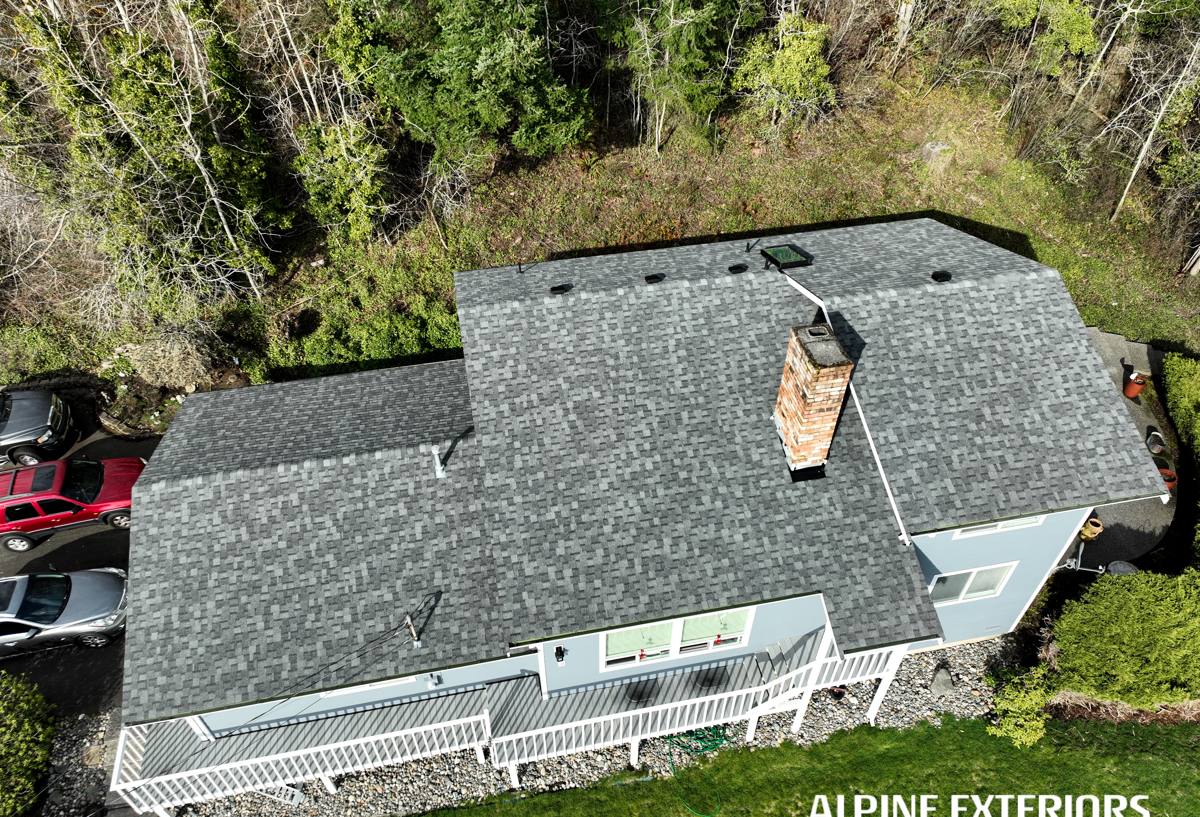
The Roof Problems We Actually Find in Childs Park
Wind and Storm Damage
Even when a storm doesn't rip a roof apart, it can lift shingle edges, crack ridge caps, loosen fasteners, and pull flashing away from walls and vents just enough to let water in on the next rain. A lot of the leaks we're called about in Childs Park trace back to a storm that passed through weeks or months earlier — the damage was there, it just wasn't obvious until water started showing up on a ceiling.
UV Breakdown
Florida sun is hard on roofing materials year-round, not just in summer. Asphalt shingles lose their oils and granules over time, becoming brittle and prone to cracking. Flat roof membranes and coatings can chalk, thin, and lose their waterproofing ability. A roof that looks intact from the ground can still have UV-degraded material that's no longer doing its job.
Flashing and Penetration Failures
Chimneys, vent pipes, skylights, and the joints where a roof meets a wall or a lower roofline are the most common leak points on any house, and Childs Park's older housing stock often has flashing that's original to the roof or was patched with whatever was on hand at the time. Wind-driven rain doesn't need a big opening to get in — it just needs a seam that's no longer sealed.
Salt Air Corrosion
Being close to Tampa Bay means metal components — nails, flashing, drip edge, gutter fasteners — corrode faster here than they would inland. Corroded fasteners back out, corroded flashing thins and perforates, and both create paths for water that wouldn't exist on a roof further from the coast.
What a Correct Roof Repair Actually Involves
A roof repair done right is a diagnostic process before it's a construction task. Patching the spot where water is dripping inside the house often isn't where the actual entry point is — water travels along decking and rafters before it shows up on a ceiling, sometimes several feet from where it actually got in. That's why we don't quote a repair from a photo or a description over the phone. We get on the roof.
What We Check
- The suspected leak area and everything upslope from it, since water travels before it drips
- All flashing around penetrations, walls, and roof-to-roof transitions
- Shingle or membrane condition beyond the immediate problem spot — is this an isolated failure or a sign of broader wear
- Fastener condition, especially on older roofs or homes close to the water
- Decking underneath, once material is pulled back, for soft spots or rot
- Attic ventilation and any signs of long-term moisture, staining, or mold
Once we know the actual cause, the repair itself involves removing damaged material back to sound decking, replacing anything compromised, and rebuilding the flashing and water-shedding layers correctly — not just sealing over the visible gap. A tube of roofing cement over a crack might stop a drip for a season, but it's not a repair, and we won't sell it to you as one.
Our Process, Start to Finish
- Inspection. We assess the full roof, not just the spot you called about, and explain what we find in plain terms.
- Written scope and estimate. You get a clear description of what's being repaired and why, before any work starts.
- Repair. We remove and replace only what's damaged, matching materials as closely as possible to the existing roof.
- Flashing and sealing. This is where most repairs succeed or fail long-term, so we treat it as the priority, not an afterthought.
- Cleanup and walkthrough. We clear debris and nails from the property and show you what was done.
Signs a Childs Park Roof Needs Attention
- Water stains or discoloration on ceilings or interior walls, even small ones
- Missing, cracked, or curling shingles visible from the ground
- Granules collecting in gutters or at downspouts
- Soft or spongy spots when walking on a flat or low-slope section
- Daylight visible through the attic roof deck
- Rusted or lifted flashing around chimneys, vents, or wall junctions
- A musty smell in the attic or upper rooms after rain
- Higher cooling bills, which can point to compromised attic insulation from a slow leak
Repair or Replace? Reading the Roof Honestly
Not every roof problem needs a full replacement, and not every leak can be fixed with a patch. We tell homeowners the truth about which situation they're in, based on the roof's age, the extent of damage, and how much of the underlying structure is still sound.
| Situation | Repair Usually Makes Sense | Replacement Should Be Considered |
|---|---|---|
| Roof age | Under roughly 15 years, or well-maintained | At or beyond material's expected service life |
| Extent of damage | Isolated to one area or penetration | Multiple areas failing or widespread granule loss |
| Decking condition | Sound, no rot found | Soft, delaminated, or rotted decking in several spots |
| Storm history | Single event, localized impact | Cumulative damage from repeated storms over the years |
| Cost pattern | Repair cost is a small fraction of replacement cost | Repeated repairs are adding up close to replacement cost |
If your roof falls in that middle ground, we'll say so directly and lay out the trade-offs rather than pushing whichever option is more profitable for us.
Materials and Workmanship Standards
We match repair materials to the existing roof system whenever possible — same shingle profile and comparable color, same membrane type on flat sections, and metal flashing suited to the coastal air rather than the thinnest option available. Given the salt exposure in this part of Pinellas County, we lean toward corrosion-resistant fasteners and flashing metals over the cheapest standard-grade parts, because replacing failed flashing twice costs more than doing it right the first time. We also pay close attention to underlayment continuity at the repair boundary — a repair that doesn't tie properly into the surrounding underlayment can create a new leak path right at its own edge.
Why Hiring a Crew That Already Works in Childs Park Matters
A contractor who works this neighborhood regularly already has a feel for its housing stock — the roof ages that are common, the additions and porch roofs that create tricky transitions, and how exposure to wind off the bay has aged different materials differently block to block. That familiarity shows up in faster, more accurate diagnosis and fewer surprises once the repair is underway. It also means a crew that's genuinely local to St. Petersburg and Pinellas County, not a storm-chasing operation passing through after a hurricane and gone before the workmanship warranty means anything.
Local presence matters for follow-up, too. If a repaired area needs a second look after the next heavy rain, you want a company that's still around the corner, not one you have to track down out of state.
Keeping a Repaired Roof Sound Afterward
A repair holds up longer when it's not fighting neglect on top of Florida's climate. A few habits go a long way:
- Clear gutters and downspouts regularly so water sheds off the roof instead of backing up under it
- Trim back overhanging branches that drop debris or hold moisture against shingles
- Have the roof looked at after any significant storm, even if nothing looks obviously wrong
- Watch attic ventilation — poor airflow accelerates heat and moisture damage from the inside
- Address small leaks immediately rather than waiting for them to become ceiling damage
If you're dealing with a leak, storm damage, or just an aging roof in Childs Park and want a straight answer about what it needs, we're happy to take a look. The estimate is free, there's no pressure to sign anything on the spot, and you'll get a clear explanation of what we find using the form below.