 St. Petersburg Siding
 Why St. Pete Beach Roofs Wear Out Faster Than Most
A roof on St. Pete Beach lives a harder life than the same roof twenty miles inland. This is a barrier island community sitting right against the Gulf of Mexico, which means every roof here deals with a combination of stresses that most of the country never sees at the same time: salt-laden air working on metal fasteners and flashing around the clock, intense year-round UV breaking down shingle granules and sealants, wind-driven rain forcing its way under laps and around penetrations during storms, and the periodic threat of hurricane-force winds testing every nail and seam. None of these alone is unusual for Florida. Stacked together on a small island with constant onshore breeze, they add up to roofs that age faster and fail in different ways than a roof in a landlocked Pinellas County neighborhood.
That's the lens we bring to every repair call on St. Pete Beach. A patch that would hold up fine in a low-humidity, low-salt environment often doesn't hold up here, and a roofer who doesn't work this area regularly can miss the early warning signs that are specific to this kind of exposure.
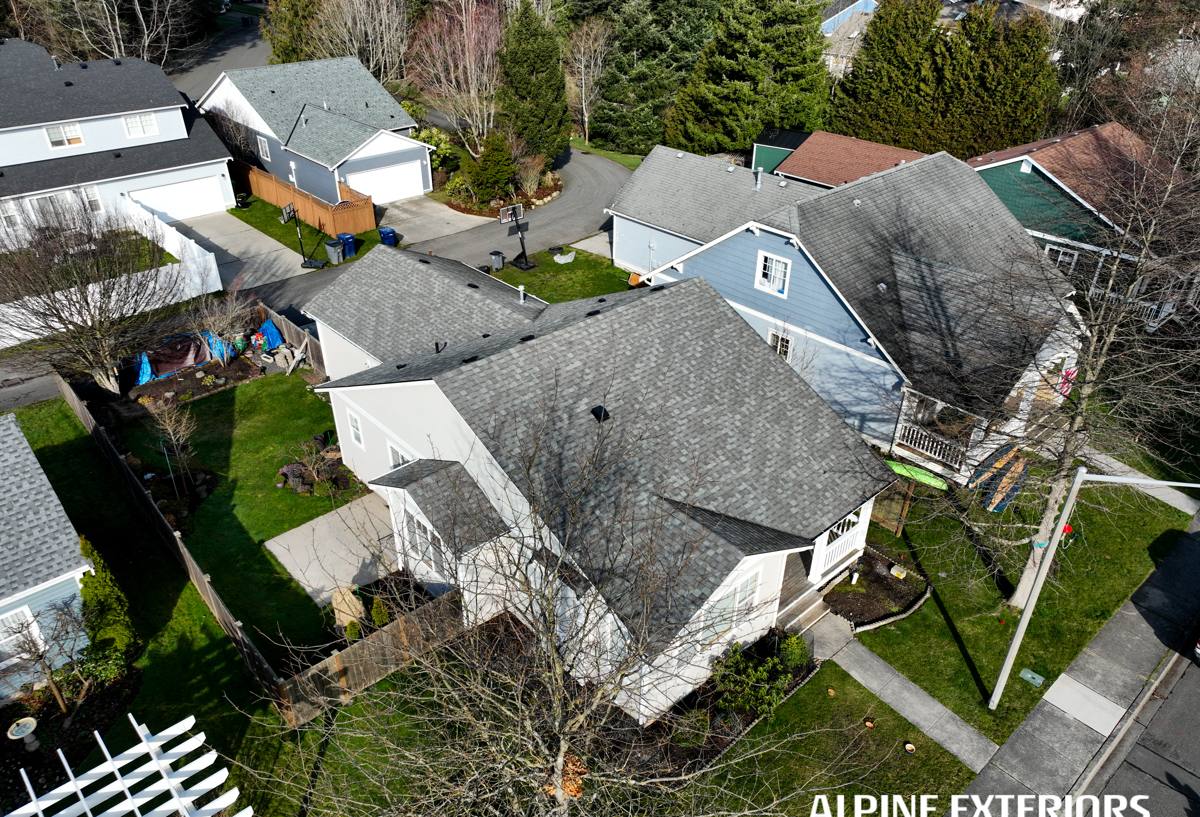
Common Roof Problems We See on St. Pete Beach Homes
Salt Air and Metal Fatigue
Salt in the air accelerates corrosion on anything metal on your roof — nail heads, drip edge, flashing around chimneys and vents, and the fasteners holding down shingles or metal panels. Corroded fasteners lose their grip, flashing seams open up, and small leaks start well before a homeowner notices a stain on the ceiling. On a beachfront or near-beachfront property, this process moves faster than most people expect.
UV Breakdown
Florida sun is intense nearly every day of the year, and a roof gets no break from it. UV exposure dries out asphalt shingles, causes granule loss, and breaks down sealants and rubber boots around vent pipes years before the manufacturer's stated lifespan would suggest. Once a sealant cracks or a boot goes brittle, that's a direct path for water.
Wind-Driven Rain
Most roof leaks on the island aren't from a straightforward rainstorm — they're from wind-driven rain during a squall or tropical system, where water is pushed sideways and upward under shingle laps, around flashing, and into any gap that would otherwise stay dry. A roof can pass a garden-hose test on a calm day and still leak badly in a 40 mph gust with rain coming sideways.
Storm and Wind Damage
Tropical storms and hurricanes are simply part of living on the Gulf coast. Even a storm that doesn't make direct landfall nearby can produce enough sustained wind and gusts to lift shingle edges, crease metal panels, or crack tile, and that damage isn't always visible from the ground.
What an Honest Roof Repair Actually Involves
A correct repair starts with figuring out where water is actually getting in, not just where it's showing up inside the house — those are often two different locations, sometimes several feet apart, because water travels along the roof deck or underlayment before it finds a way through the ceiling. That means a real inspection of the roof surface itself: flashing points, vent boots, valleys, roof-to-wall transitions, and the condition of the underlayment where it's exposed, not just a look at the shingles from the ground.
Once the source is identified, the repair needs to address the actual failure, not just cover it. Common examples on St. Pete Beach roofs:
- Replacing corroded or failed fasteners and flashing, not just resealing over them
- Removing and properly re-lapping shingles or panels instead of caulking over a lifted edge
- Replacing brittle or cracked vent boots rather than smearing sealant on top of the crack
- Checking and, where needed, replacing damaged underlayment beneath the visible roofing material
- Confirming the repair area still ties into proper drainage so water sheds the way it's supposed to
A repair that skips any of these steps might stop a leak for a season, but on an island roof, it tends to come back — usually during the next storm, which is the worst possible time to find out a patch didn't hold.
Roofing Materials on St. Pete Beach and How Repair Differs by Type
The right repair approach depends heavily on what's actually on the roof. Here's how we think about the main roof types we run into on the island and the surrounding St. Petersburg area:
| Roof Type | How Coastal Exposure Affects It | What Repair Typically Focuses On |
|---|---|---|
| Asphalt Shingle | UV breaks down granules and seals over time; salt air accelerates fastener corrosion | Re-securing lifted shingles, replacing failed sealant and boots, spot-replacing damaged sections |
| Concrete or Clay Tile | Tiles themselves hold up well to salt and sun, but underlayment and fasteners beneath them wear faster | Resetting or replacing cracked/broken tiles, addressing underlayment failure without disturbing surrounding tile unnecessarily |
| Metal (panel or standing seam) | Very durable against wind, but fasteners, seams, and cut edges are where salt corrosion starts | Resealing or replacing fasteners and seam closures, addressing rust at panel edges and penetrations |
| Flat or Low-Slope (common on additions, porches, garages) | Standing water plus UV is hard on membrane materials; ponding accelerates wear | Patching or replacing membrane sections, correcting drainage so water doesn't pool |
We repair what's already on the house rather than pushing a different material during a repair visit. If a roof is old enough that repair no longer makes sense, we'll say so plainly and explain why — but that's a separate conversation from patching a legitimate, fixable problem.
How Our Repair Process Works
1. Inspection and Diagnosis
We get on the roof (not just a ground-level look) and trace the leak or damage back to its actual source, checking flashing, penetrations, and fastener condition along the way, not just the spot where water showed up inside.
2. Clear Explanation Before Any Work
We tell you what we found, what's causing it, and what the repair involves — including if we think the better long-term answer is something other than a repair. No pressure, no upsell for its own sake.
3. The Repair Itself
We fix the actual failure point using materials suited to this environment — corrosion-resistant fasteners, proper flashing details, and sealants rated for sustained UV and salt exposure — rather than the cheapest patch available.
4. Verification
We check that the repair area sheds water correctly and ties in cleanly with the surrounding roofing before we consider the job done.
Signs a St. Pete Beach Roof Needs Repair Now
Because leaks often show up well after water first gets in, it pays to catch the earlier warning signs. Watch for:
- Ceiling stains or soft spots, especially after a storm with heavy wind
- Missing, curling, or lifted shingles you can see from the ground
- Granules collecting in gutters or at downspout outlets
- Rust streaks running down from flashing, vents, or metal roof panels
- Cracked or crumbling rubber boots around plumbing vents
- Visible daylight through the attic decking at seams or penetrations
- A musty smell in the attic or top-floor closets, which often means moisture is already inside
Any one of these is worth a look before it turns into interior damage, mold, or a bigger repair bill.
What Affects the Cost of a Roof Repair
Repair costs vary enough by situation that we won't quote a number sight unseen, but here's what actually drives the price up or down:
| Factor | Why It Matters |
|---|---|
| Extent of the damage | A single vent boot replacement is a very different job from re-flashing an entire valley |
| Roof material | Tile and standing-seam metal repairs generally take more time and specialized handling than asphalt shingle |
| Roof access and pitch | Steeper roofs or roofs with limited access take longer and require more safety setup |
| Underlying deck condition | If water has been getting in for a while, the wood deck underneath may need repair too, not just the surface roofing |
| Age and condition of surrounding roofing | Matching old, sun-faded shingles or worn tile can affect material sourcing and labor |
We give a straightforward, written assessment after inspection so you know what you're paying for and why, rather than a vague lump-sum guess.
Why a Crew That Already Works St. Pete Beach Matters
Roofing on a barrier island isn't identical to roofing a few miles inland. A crew that regularly works St. Pete Beach already understands the pace of salt-air corrosion on fasteners and flashing, knows what wind-driven rain damage actually looks like versus a slow age-related leak, and is used to the logistics of working on a narrow island — parking, staging materials, and working around the tighter lots common to beach communities. That familiarity shows up in fewer surprises and a repair that's built for the conditions the roof will keep facing, not generic conditions.
It also matters for anything involving your homeowner's insurance. Wind and storm-related roof claims are common on the Gulf coast, and documentation matters — clear photos of the damage, a written scope of the repair, and an assessment that holds up if an adjuster has questions. A contractor who does this work regularly in Pinellas County knows how to document a repair properly from the start.
Licensing and insurance are non-negotiable in Florida roofing work, and any contractor you hire should be able to show proof of both without hesitation. Beyond that baseline, ask how much of their current work is actually on the island versus elsewhere in the Tampa Bay area — that track record tells you more than a sales pitch will.
Get an Honest Look at Your Roof
If you're seeing signs of a leak, storm damage, or just want a straight answer on whether a repair or something more is the right call, we're happy to take a look. The estimate is free, there's no pressure to move forward, and you'll get a clear explanation of what we find and what we'd recommend — use the form below to get started.