 St. Petersburg Siding
 Why St. Pete Beach Asks More of a Metal Roof Than Most Places
A house two miles inland in St. Petersburg and a house on the barrier island in St. Pete Beach can have roofs that look identical and age at completely different rates. The difference is exposure. Homes on and near the beach sit closer to open water, take wind loads with less buffer from trees and neighboring structures, and live in a near-constant salt aerosol that settles on every exposed metal surface, fastener, and flashing joint. Add in Pinellas County's intense year-round UV and the wind-driven rain that comes with tropical systems and afternoon storms, and you have a roofing environment that punishes shortcuts faster than almost anywhere else in the region.
Metal roofing can handle that environment extremely well — it's one of the better-suited roofing systems for this coastline — but only when the material, fasteners, and installation details are matched to a barrier island's specific conditions. A metal roof spec'd for a subdivision forty minutes inland is not automatically the right spec for a block from the Gulf.
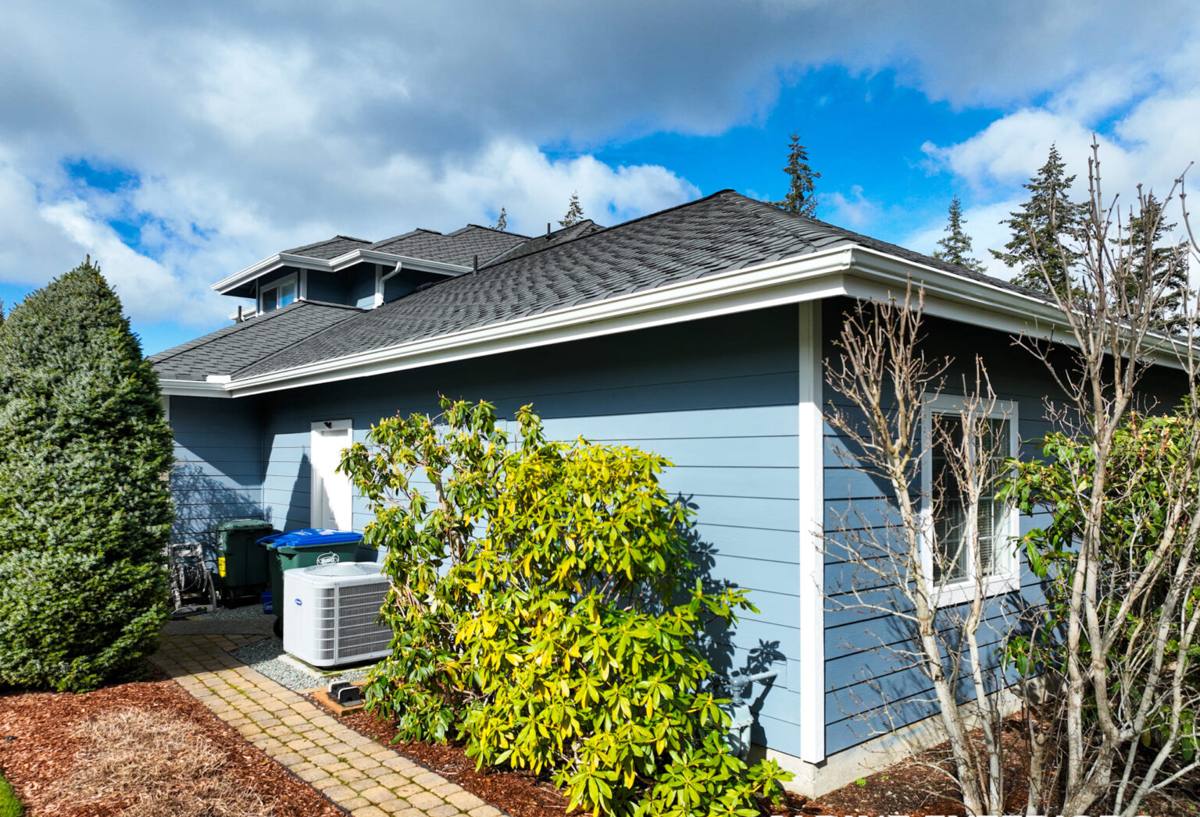
What Wind and Salt Actually Do to a Roof Here
Wind Uplift, Not Just Wind Speed
The number that matters most in a storm isn't how hard the wind blows against the roof — it's the uplift force that builds as wind moves over and around the structure, trying to peel panels away from the deck starting at edges, ridges, and corners. Roofs fail at these transition points first. A metal roofing system built for St. Pete Beach needs fastening patterns, edge metal, and ridge details that are tightened up specifically at those vulnerable zones, not just a uniform fastener spacing across the field of the roof.
Corrosion From Salt Air
Salt in the air accelerates corrosion on fasteners, cut edges, and any point where a protective coating has been scratched or worn through. On a barrier island, that process runs faster than it would a few miles inland, which is why coating quality and fastener material matter more here than on an equivalent job elsewhere in the county.
Wind-Driven Rain
During tropical storms and strong fronts, rain doesn't just fall — it's pushed sideways and even upward under panel laps and around penetrations. A roof that would shed normal rainfall without issue can still leak in wind-driven conditions if the underlayment and flashing weren't detailed for that scenario.
Panel Types and What Fits a Coastal Home
Not all metal roofing is built the same, and the differences matter more on the beach than inland. Here's how the common options compare for this environment:
| Panel Type | Wind Performance | Coastal Durability | Typical Best Use |
|---|---|---|---|
| Standing seam (concealed fastener) | Strong — no exposed fasteners to loosen or corrode over time | Excellent when specified in a marine-grade finish | Primary choice for most St. Pete Beach homes |
| Exposed-fastener panel (5V, corrugated) | Adequate but fastener seals are the weak point | Fair — fasteners need re-torquing/replacement over the roof's life | Budget-conscious projects, secondary structures |
| Metal shingle/tile profile | Good, similar to standing seam if properly interlocked | Good with correct coating | Homeowners wanting a traditional look with metal performance |
For most primary residences in St. Pete Beach, we lean toward standing seam. Hidden fasteners remove the single most common long-term failure point on a coastal metal roof — the slow loosening and corrosion of exposed screws — and the panel seams themselves are mechanically locked rather than relying on a gasket that degrades under UV and salt exposure over the years.
Material and Coating: Where Corrosion Resistance Actually Comes From
Substrate Choice
Aluminum and coated steel (Galvalume or galvanized) are the two substrates you'll be choosing between. Aluminum doesn't rust and holds up very well in direct salt exposure, which is why it's a common choice for homes right on or near the water. Coated steel is stronger and more common inland, and performs well close to the coast too as long as the coating system is intact — the coating, not the raw steel, is what's doing the corrosion-resisting work.
Finish and Coating
The paint/coating system on the panel matters as much as the base metal. A high-quality baked-on finish resists both UV fading and the chemical effects of salt exposure far longer than a thin or generic coating. This is one area where it doesn't pay to cut costs on a beach property — a coating failure shows up as chalking, fading, and eventually corrosion starting at panel edges and fastener heads years before the panel itself would otherwise need replacement.
Fasteners
Fasteners should match the panel material to avoid galvanic corrosion (where two dissimilar metals in contact accelerate each other's breakdown), and should carry a coating or composition rated for coastal exposure. This is a small line item on an estimate that has an outsized effect on how the roof ages.
The Underlayment and Flashing Work That Actually Stops Leaks
Most metal roof leaks near the coast aren't failures of the metal panel itself — they're failures at the details underneath and around it. This is the part of the job that's invisible once it's done, which is exactly why it's the part most likely to get shortchanged by a crew that isn't used to coastal work.
- Self-adhered underlayment at eaves, valleys, and penetrations, not just felt, to handle wind-driven rain that pushes past the primary roof surface
- Properly lapped and sealed penetration flashing around vent stacks, chimneys, and roof-mounted equipment
- Correct drip edge and eave detailing so wind-driven rain can't work its way up and under the first course of panels
- Ridge and hip venting that's weathertight but still allows the attic to breathe, since trapped heat and moisture cause their own problems in this climate
- Sealant used sparingly and correctly — sealant is a backup to good mechanical flashing, not a substitute for it
A metal roof with great panels and bargain-basement underlayment and flashing work will still leak in the first serious wind-driven rain event. The panel is the part homeowners see; the flashing and underlayment are the part that actually keeps water out.
How We Handle a Metal Roofing Project in St. Pete Beach
Inspection and Assessment
We start by looking at the existing roof deck, structure, and any signs of past water intrusion — not just the roof surface. On a barrier island home, we're also checking things like soffit and fascia condition and existing ventilation, since a new roof installed over compromised decking or blocked airflow won't perform the way it should regardless of panel quality.
Tear-Off vs. Overlay
In most cases, especially on homes exposed to full coastal conditions, we recommend a full tear-off rather than installing over an existing roof. Tear-off lets us inspect and repair the deck itself, install underlayment correctly rather than compressing it under old material, and avoid trapping moisture between layers — a real risk in a humid coastal climate.
Deck Repair and Underlayment
Any soft, rotted, or otherwise compromised decking gets replaced before anything else goes down. Then comes the underlayment package matched to the site's exposure, followed by drip edge, valley metal, and penetration flashing.
Panel Installation
Panels are installed with fastening patterns and clip spacing tightened at eaves, rakes, ridges, and corners — the zones that take the highest uplift loads in a wind event — rather than a single uniform spacing across the whole roof.
Final Walkthrough
We finish with a walkthrough covering flashing details, fastener torque, and ventilation, so you know what was done and why, not just that a crew "finished the roof."
Cost Factors for a St. Pete Beach Metal Roof
Every roof is priced from its own measurements and conditions, but the factors that move the number up or down are consistent:
| Factor | Why It Affects Price |
|---|---|
| Panel type and gauge | Standing seam and heavier gauges cost more than exposed-fastener panels but require less long-term maintenance |
| Substrate (aluminum vs. steel) | Aluminum typically carries a higher material cost but resists coastal corrosion without a protective coating doing all the work |
| Tear-off vs. overlay | Tear-off adds labor and disposal cost but is usually the right call on coastal homes |
| Deck repair needed | Rot or damage found during tear-off adds material and labor not visible from a roof-only estimate |
| Roof complexity | Hips, valleys, dormers, and multiple penetrations all add flashing labor |
| Underlayment package | Full self-adhered coverage costs more upfront than minimal underlayment but performs far better in wind-driven rain |
As a very general range, homeowners in this market commonly see fully installed standing-seam pricing somewhere in the low-to-high double-digit dollars per square foot, with the final number depending heavily on the factors above. We'll walk you through exactly what's driving your number rather than handing you a flat rate that doesn't reflect your roof.
What to Ask Before Hiring a Metal Roofing Crew Near the Beach
Plenty of contractors will install a metal roof. Fewer have real experience with what a barrier island property in Pinellas County actually needs. Before signing a contract, it's worth asking:
- Are you licensed and insured to work in Florida, and can you provide proof?
- Have you installed metal roofing on other homes in St. Pete Beach or similarly exposed coastal areas?
- What underlayment package do you use, and does it change based on a home's wind and rain exposure?
- What fastener material and coating do you use, and is it matched to the panel material?
- Do you recommend tear-off or overlay for my roof, and why?
- What does your warranty cover — material, workmanship, or both — and for how long?
- Will the crew doing the physical install be your own employees or subcontracted out?
A contractor who's genuinely done this work on the island should have straightforward, specific answers to all of these — not vague reassurances.
Living With a Metal Roof in a Salt Air Environment
A correctly installed metal roof is genuinely low-maintenance, but "low-maintenance" doesn't mean "no maintenance" on a barrier island. A simple annual visual check — looking for loose fasteners on exposed-fastener systems, debris buildup in valleys, and any sealant that's dried out or cracked — catches small issues before they become leaks. Rinsing accumulated salt residue off the roof periodically, especially after long dry stretches, also helps preserve the coating's appearance and lifespan. None of this is heavy work, but skipping it on a property this exposed shortens the roof's service life more than it would a few miles inland.
If you're weighing a metal roof for a home in St. Pete Beach or elsewhere in St. Petersburg, we're happy to take a look and walk you through what your specific roof needs. The estimate is free, there's no pressure, and you'll get a straight answer about what's driving the cost and what we'd actually recommend — just fill out the form below to get started.