 St. Petersburg Siding
 Decks Take a Beating on St. Pete Beach
A deck on St. Pete Beach lives a harder life than one a few miles inland. The barrier island setting means salt air is in constant contact with every fastener, every metal connector, and every painted or stained surface. Add in the intense, near year-round Florida UV, wind-driven rain during summer storms, and the occasional direct hit from hurricane-force wind, and it's no surprise that decks here age faster than the manufacturer's brochure suggests. Repair work in this zip code isn't optional maintenance — it's what keeps a deck safe to stand on.
Most of the calls we get for deck repair in St. Pete Beach fall into a few categories: loose or wobbly railings, soft or spongy boards, corroded fasteners bleeding rust streaks onto the decking, and structural issues at the ledger board where the deck attaches to the house. Some of this is simple wear. Some of it is the kind of hidden damage that only shows up once you start pulling boards.
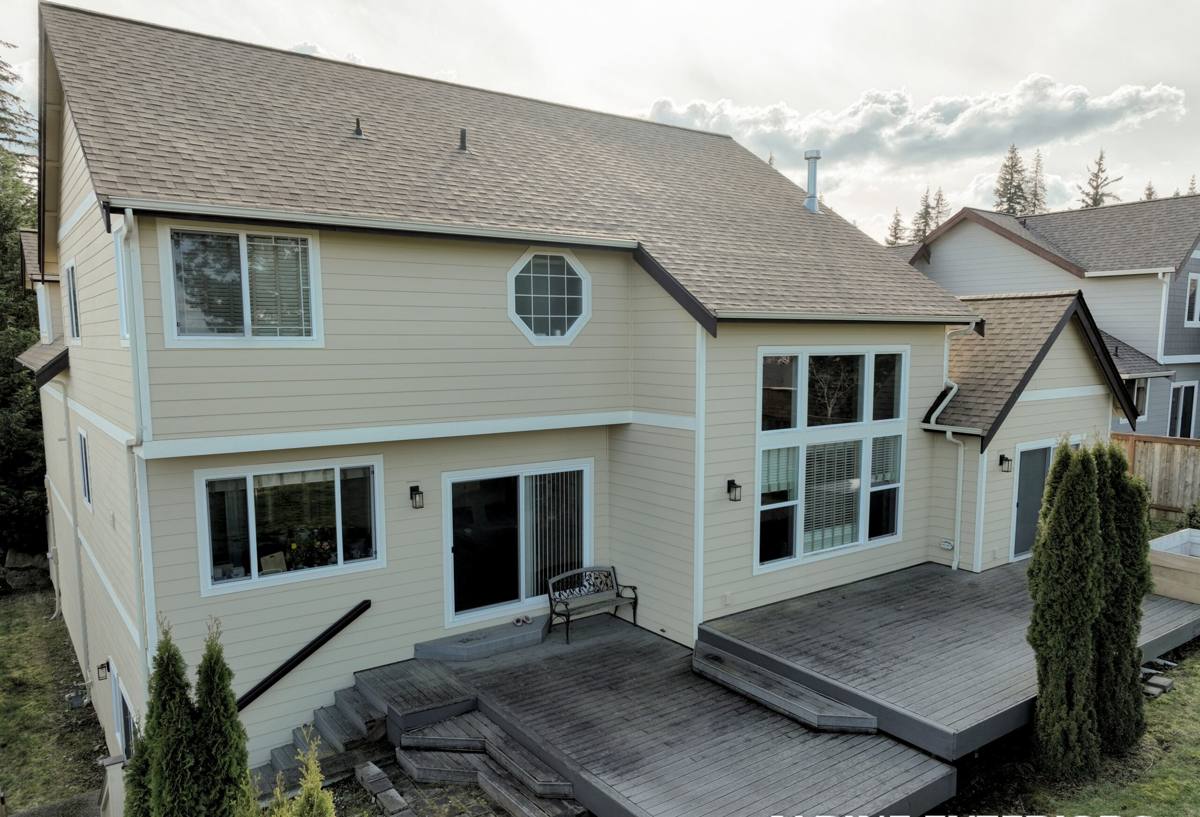
Why Coastal Conditions Change the Repair Approach
Salt Air and Corrosion
Standard galvanized fasteners and hardware corrode faster this close to the Gulf. Once a nail, screw, or joist hanger starts rusting, it loses holding strength well before it looks obviously bad. A repair that just swaps a cracked board but reuses corroded fasteners underneath is a repair that fails again within a year or two. On St. Pete Beach we default to stainless steel or coated fasteners rated for coastal and treated-lumber exposure, even when it costs a bit more up front.
UV Exposure
Florida sun breaks down wood fibers and degrades finishes on a compressed timeline compared to most of the country. Boards that look fine from a distance can be dry, checked, and losing structural fiber on top. Composite and PVC decking resist this better than wood, but even those products can fade or show surface wear at the fastener points over time.
Wind-Driven Rain and Moisture Cycling
The bigger issue usually isn't rain falling straight down — it's rain driven sideways into gaps, ledger connections, and end grain during storms. Combined with Florida humidity, this creates a moisture cycling problem: wood swells when wet, shrinks when it dries, and repeats that cycle constantly. That's what causes cupping, splitting, and the soft, punky wood you find when you dig into a deck that "looked okay" from the top.
Hurricane and High-Wind Loading
Pinellas County's wind requirements reflect the real risk here, and deck framing and railings take direct wind loading during storm season. Loose ledger connections, under-spec'd railing posts, or missing structural blocking are the kind of things that seem minor day-to-day but become serious during a named storm.
What a Proper Deck Repair Actually Involves
A good repair starts with an honest inspection, not a quick patch. We look at the deck as a system — decking boards, joists, beams, posts, footings, ledger connection, and railings — because a problem in one area often explains symptoms somewhere else. A bouncy spot in the decking, for example, is sometimes a board issue and sometimes a sign that the joist underneath has softened.
Typical Inspection Points
- Ledger board attachment to the house — the single most safety-critical connection on most decks
- Joists and beams for soft spots, splitting, or sagging between supports
- Post bases and footings for movement, rot at ground contact, or corrosion on metal bases
- Fasteners and connectors for rust bleed, loosening, or missing hardware
- Railings and posts for looseness, especially at the point where the post meets the frame
- Decking boards for cupping, splintering, soft spots, or gaps that have opened beyond normal seasonal movement
- Stairs and stringers, which see concentrated foot traffic and often wear faster than the rest of the deck
Once we know what's actually going on, we separate real structural repairs from cosmetic ones and give you a clear picture of what's needed now versus what can be scheduled down the road. We don't recommend replacing an entire deck when a targeted repair will genuinely hold up — and we don't paper over structural problems just to make a deck look fixed.
Repair vs. Replace: How We Make the Call
| Situation | Usually Repair | Usually Replace |
|---|---|---|
| A few boards cupped or split, frame solid | Yes — spot replace boards | No |
| Ledger board showing rot or separation | Sometimes, if caught early | Often, if rot has spread |
| Rust-streaked fasteners, boards otherwise sound | Yes — hardware upgrade | No |
| Widespread soft/spongy decking across the surface | No | Yes |
| Posts or footings shifted or settled | Sometimes, case by case | Often, if multiple posts affected |
| Deck is under 10 years old, isolated storm damage | Yes | Rarely |
Age alone isn't the deciding factor — a well-built, well-maintained deck can be repaired for years, while a poorly built newer deck can already need major work. What matters is the condition of the framing and connections, not just how the surface looks.
Materials: What Holds Up on a Barrier Island
Decking material choice matters more here than in most parts of the country, because the failure modes are accelerated. We'll walk you through the honest trade-offs for your specific deck rather than pushing one product across the board.
Pressure-Treated Wood
Affordable and repairable in sections, which is an advantage — you can replace individual boards without redoing the whole deck. It requires more upkeep in this climate: regular sealing or staining to slow UV and moisture damage, and closer attention to fastener condition over time.
Composite and PVC Decking
Resists moisture absorption and UV fading better than wood over the long run, with less routine maintenance. It costs more upfront, and repairs typically mean replacing a full board rather than patching a section, since color and texture matching on an aged board can be difficult. Fastener and framing quality underneath still matters just as much as with wood — composite decking is only as good as what it's screwed into.
Hardware and Fasteners
Whatever the decking material, we treat fastener and connector selection as a coastal-specific decision. Stainless steel, coated structural screws, and corrosion-resistant joist hangers cost more than standard hardware, but on a barrier island they're the difference between a repair that lasts and one you're calling us about again in two years.
Our Process for St. Pete Beach Deck Repairs
- Inspection and honest assessment — we check the full structure, not just the visible surface, and explain what we find in plain terms.
- Written scope and estimate — you'll know what's being repaired, with what materials, and why, before any work starts.
- Repair work — structural issues get addressed first (framing, ledger, connections), followed by decking, railings, and finish work.
- Hardware upgrade where needed — corroded or under-spec'd fasteners get swapped for coastal-rated hardware, even if that wasn't the board that failed.
- Final walk-through — we check the repaired deck for solid footing, secure railings, and a level, stable surface before calling the job done.
Permits and Local Code Considerations
Structural deck repairs — particularly anything involving the ledger board, framing, posts, or footings — commonly fall under permitting requirements in Pinellas County and the City of St. Petersburg. Railing height and spacing also have to meet code, which matters more than most homeowners realize when a repair touches an existing railing system. We handle the permitting conversation as part of the job so you're not left guessing what's required for work at your property.
Why Local Experience Matters for This Job
Deck repair isn't a one-size-fits-all trade. A crew that mostly works inland jobs may default to standard hardware and standard maintenance schedules that simply don't hold up a few blocks from the Gulf. Working St. Pete Beach regularly means we've seen how fast salt air corrodes the wrong fastener, how sun exposure on a west-facing deck differs from one that's shaded, and which failure points show up again and again on barrier island homes. That experience shapes the materials we recommend and the repairs we prioritize — it's not guesswork applied after the fact.
It also means we're familiar with the local permitting process and the practical realities of working on island properties, from access and parking to coordinating around the salt-air maintenance schedule a lot of homeowners here are already used to for other parts of their home.
Simple Checklist: Signs Your Deck Needs a Look
- Boards that flex, feel spongy, or sound hollow underfoot
- Rust streaks running down from screws or nails
- Railings or posts that wiggle when pushed
- Visible gaps, cupping, or splitting in the decking boards
- Any separation or gap where the deck meets the house
- Stairs that feel less solid than the rest of the deck
- Discoloration or soft wood near ground-contact posts
If any of these sound familiar, it's worth having the deck looked at before the next round of summer storms rather than after. Catching a fastener or framing issue early is a repair; catching it late is often a rebuild.
If you're noticing any of these signs on your St. Pete Beach deck, or just want an honest read on its condition, we're happy to take a look. Reach out for a free, no-pressure estimate using the form below.