 St. Petersburg Siding
 Building a Deck for Snell Isle's Waterfront Conditions
Snell Isle is one of the more demanding places in St. Petersburg to build an outdoor structure correctly. It's a waterfront and canal-adjacent neighborhood with mature tree canopy, brick-paved streets, and homes sitting close to open water and tidal canals. That combination means more direct sun exposure over water, more salt-laden air moving through the yard, and more wind loading on anything built outdoors than you'd see a few miles inland. A deck built to a generic national spec, without adjusting for those local conditions, tends to show problems within a few seasons — not because the material was bad, but because it wasn't matched to the site.
This page covers what a correctly built custom deck looks like specifically for Snell Isle and the surrounding St. Petersburg waterfront — the framing, fasteners, decking, and permitting decisions that hold up here, and the ones that don't.
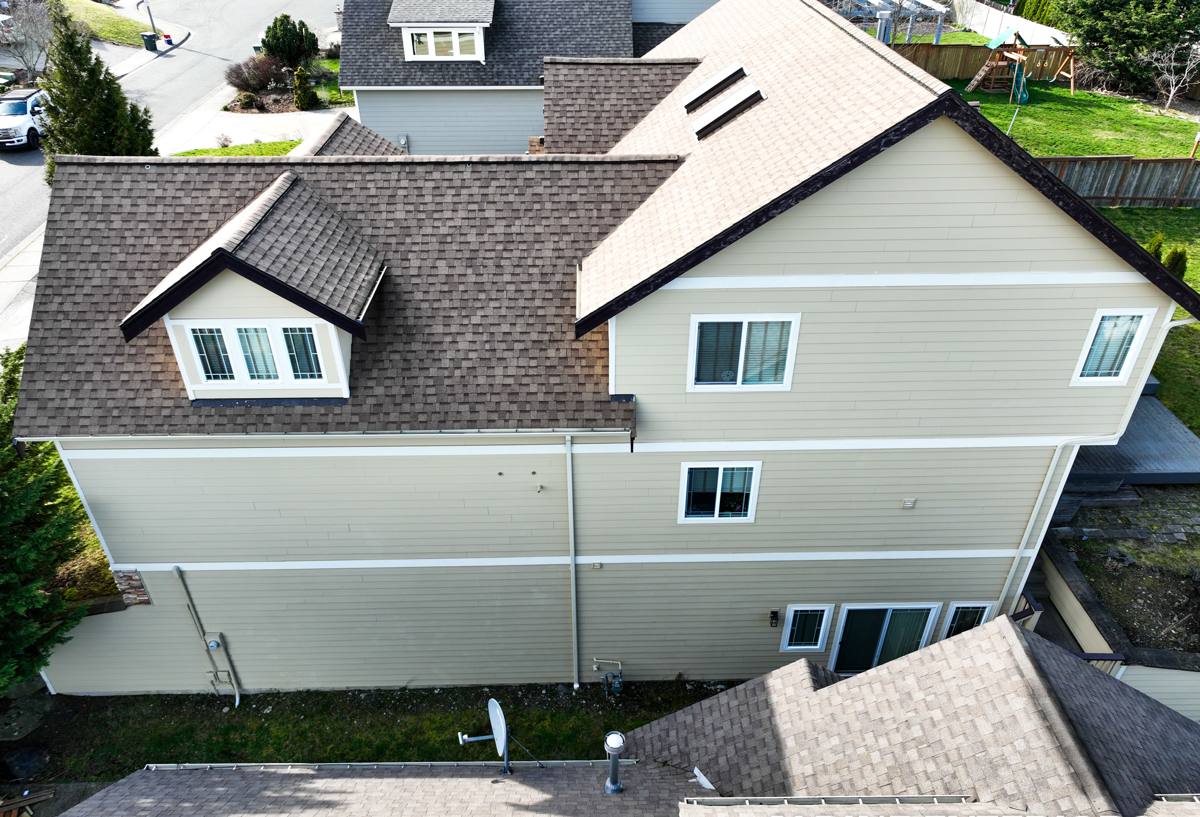
What Pinellas County's Climate Actually Does to a Deck
Four things drive most deck failures we see on waterfront and near-coastal lots in this part of Pinellas County:
Salt Air and Corrosion
Even a few blocks from the water, airborne salt accelerates corrosion on any fastener, bracket, or connector that isn't rated for it. Standard galvanized hardware can start rusting and staining decking boards within a year or two on a waterfront lot. This is one of the most common corners cut on lower-bid deck jobs, and it's invisible until the hardware starts failing structurally.
Intense, Year-Round UV
Florida sun degrades wood fibers, fades finishes, and breaks down lower-grade composite decking faster than in most of the country. Decks with little or no shade — common on open waterfront lots — see this acceleration most.
Wind-Driven Rain
Storms here don't just drop rain, they drive it sideways into ledger boards, stair stringers, and any spot where the deck meets the house. Where a deck attaches to the home's wall and siding, wind-driven rain finds gaps that would never leak in a calmer climate.
Hurricane-Force Wind Loads
An open, elevated deck acts like a sail. Railings, stairs, and the ledger connection to the house all need to be engineered for uplift and lateral load, not just downward weight from people standing on it. This matters more on Snell Isle's open, waterfront lots than on a shaded inland yard with wind breaks.
Decking Material Options for a Snell Isle Lot
There's no single "best" decking material — the right choice depends on how close you are to the water, how much sun the deck gets, and how much maintenance you want to do. Here's how the common options actually perform in this environment.
| Material | Salt Air Resistance | Maintenance | Typical Cost Range |
|---|---|---|---|
| Pressure-treated pine | Fair — needs sealing regularly | Annual cleaning/resealing | Lowest |
| Capped composite | Good | Occasional wash, no sealing | Mid-range |
| Solid PVC decking | Very good — won't absorb moisture or salt | Low | Mid to upper |
| Tropical hardwood (e.g. ipe) | Very good if maintained | Periodic oiling to hold color | Highest |
| Aluminum decking | Excellent — won't rot or corrode | Lowest | Upper |
We steer most Snell Isle clients away from uncapped composite and away from unsealed pressure-treated boards used as a "finish now, seal later" plan, because both tend to disappoint on open waterfront lots — the first from moisture wicking at cut ends, the second because the sealing schedule rarely gets kept up once the deck is built. That's not a knock on either product; it's about matching the material to how much upkeep the homeowner actually wants to do.
What We Look At Before Recommending a Material
- Distance from open water or a canal, and how much direct salt spray the deck sees
- How much shade the site gets and from what direction
- Whether the deck will be walked on barefoot near a pool
- How much annual maintenance the homeowner realistically wants to do
- Whether the look needs to match existing hardscape, siding, or trim color
What's Underneath Matters More Than the Boards
The decking surface is what you see; the framing, flashing, and fasteners are what determine whether the deck is still solid in ten years. On Snell Isle jobs, we treat these as non-negotiable:
Ledger Flashing
Where the deck attaches to the house, the ledger board has to be properly flashed so wind-driven rain can't work its way behind the siding or into the wall framing. A poorly flashed ledger is one of the most common sources of hidden rot damage on Florida decks — it fails slowly, out of sight, behind the decking.
Corrosion-Resistant Fasteners and Hardware
Stainless steel or coated fasteners rated for coastal exposure, along with corrosion-resistant joist hangers and structural connectors, cost more up front but are the difference between hardware that lasts and hardware that stains, weakens, and needs replacing.
Footings and Wind Uplift
Footing depth and post-to-beam connections need to account for the wind uplift forces mapped for coastal Pinellas County, not a generic inland spec. This is one of the areas the county's permit review checks closely, for good reason.
Railing and Stair Attachment
Railings take direct wind load and also need to meet Florida Building Code height and baluster spacing requirements. Loose or under-attached railings are a common finding on older or DIY-built decks in this area.
Permits and Waterfront Considerations
Deck construction in the City of St. Petersburg requires a building permit, and on Snell Isle that review often includes a look at setbacks from the water, seawall proximity, and flood zone requirements, since much of the neighborhood sits close to canals and open water. Some properties also carry deed restrictions or design guidelines on top of the city's code. We pull the permit, handle the inspections, and account for the site's specific setback and flood-zone requirements as part of the design — that's part of the job, not an add-on.
If your lot backs up to a seawall, we also coordinate the deck's footing layout and access so it doesn't interfere with seawall maintenance or drainage — something worth flagging early rather than discovering during construction.
Our Process for a Custom Deck on Snell Isle
- Site visit and assessment — we look at sun exposure, distance from water, existing structure condition, and access for equipment.
- Design and material selection — sized and laid out for how the space will actually be used, with materials matched to the site's exposure.
- Written estimate — a clear scope and price before any work starts, no vague allowances.
- Permitting — we handle the City of St. Petersburg or Pinellas County permit application and any setback or flood-zone documentation required.
- Framing and flashing — structural framing, ledger flashing, and hardware installed to coastal-rated standards.
- Decking, railing, and finish work — surface material, railings, stairs, and any lighting or built-ins.
- Final walkthrough and inspection — city inspection sign-off and a walkthrough with you before we call it done.
Keeping a Snell Isle Deck in Good Shape
Even a correctly built deck needs some upkeep in a salt-air environment. What that upkeep looks like depends on the material, but the basics are consistent:
- Rinse salt residue off the deck surface and railings periodically, especially after storms with onshore wind
- Keep gutters and downspouts near the deck clear so runoff doesn't pool against ledger or framing connections
- Check railing and stair connections annually for looseness — a five-minute check that catches problems early
- Reseal wood decking on the schedule the product actually needs, not just when it starts looking gray
- Watch for staining around fasteners, which usually signals hardware that isn't holding up to the salt air
- Trim back vegetation that keeps sections of the deck shaded and damp for long stretches
Why a Local Crew Matters for This Job
A deck contractor who mostly builds inland, in calmer conditions, can still frame a deck that looks fine on day one. The difference shows up two or three years later — in the hardware that's staining, the ledger that's letting moisture behind the siding, or railings that have gone loose under repeated wind load. A crew that regularly works St. Petersburg's waterfront neighborhoods already knows which fasteners hold up on Snell Isle lots, how the city's permit reviewers expect setback and flood documentation to be presented, and where the common failure points are on a coastal deck before they become expensive repairs. That local track record is worth more than a lower bid from a crew building to a generic spec.
If you're planning a new deck, or replacing one that didn't hold up to a few Florida seasons, we're happy to take a look and put together a written estimate — no pressure, no obligation. Use the form below to get started.