 St. Petersburg Siding
 Siding Replacement in Seminole: What Local Homes Are Actually Up Against
Seminole sits close enough to both the Gulf and Tampa Bay that homes here take a steady combination of punishment most inland siding never has to handle. Salt-laden air moves through the area even on calm days, afternoon UV runs at near-tropical intensity for most of the year, and when storms roll through, wind-driven rain gets forced sideways into every seam, corner, and fastener point on a wall. Add Florida's humidity cycle — homes swelling with moisture overnight and baking dry by afternoon — and you have a climate that finds every weakness in a siding system within a few years, not a few decades.
That's the backdrop for every siding replacement estimate we write in this neighborhood. We're not guessing at what Seminole homes need; we work here regularly, and the failure patterns we see on tear-offs are consistent: sun-cracked panels, moisture trapped behind housewrap that was never sealed correctly, and fastener corrosion where the wrong hardware was used the first time around.
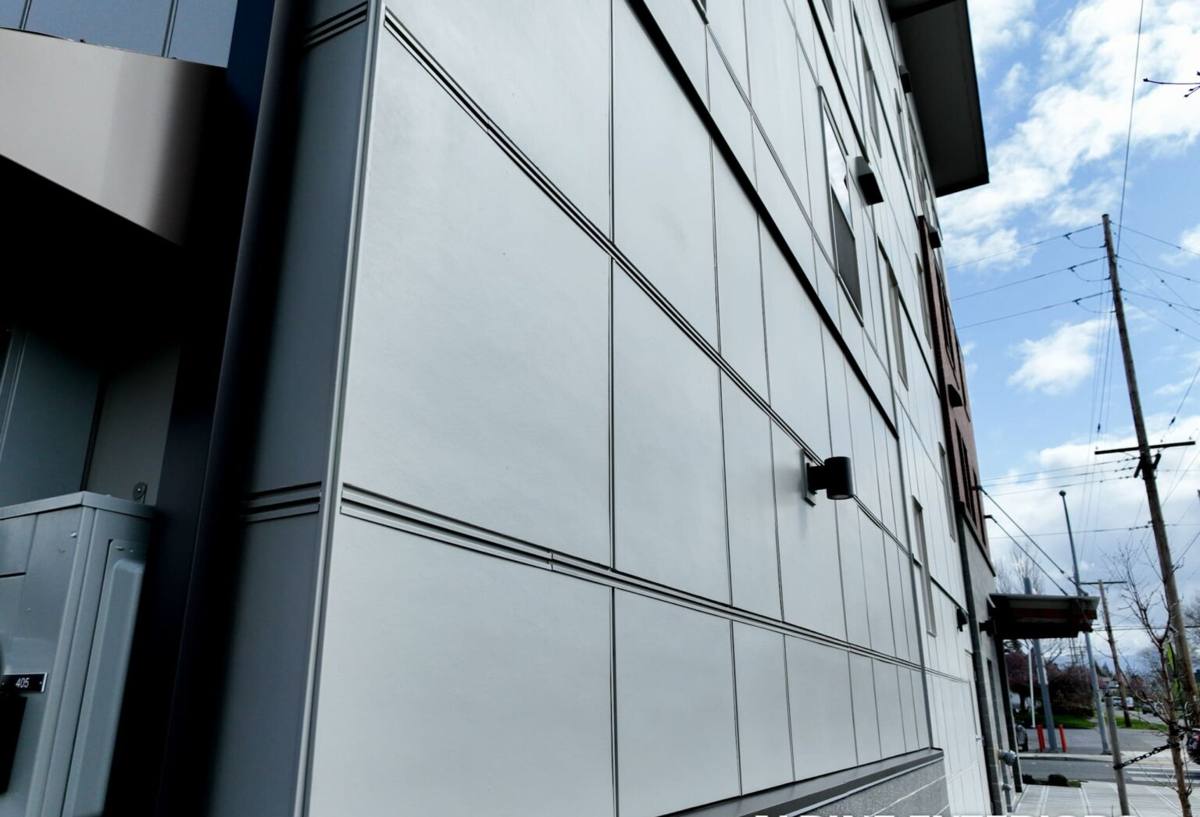
Why Seminole's Climate Shortens the Life of the Wrong Siding
Wind and Wind-Driven Rain
Pinellas County sees tropical storm and hurricane-force wind events with enough regularity that siding here isn't just cladding — it's part of the building envelope's defense against water intrusion. Wind doesn't just push rain against a wall; it drives it upward and sideways under laps and around openings. Siding that isn't installed with the right overlaps, flashing, and fastening pattern will let water behind it long before the panels themselves show visible damage.
UV Exposure
Florida sun is harder on exterior materials than most of the country experiences. Paint film breaks down faster, caulking dries out and cracks sooner, and any siding product with a painted-on (rather than factory-baked) finish will start chalking, fading, or peeling well ahead of its rated lifespan.
Salt Air
Seminole isn't oceanfront, but it's close enough to the Gulf and the bay that salt content in the air is a real factor, especially on the west- and south-facing sides of a home. Salt accelerates corrosion on fasteners, trim hardware, and any metal components in the siding assembly — a detail that matters more here than it would 40 miles inland.
Humidity and Moisture Cycling
Siding that absorbs moisture and swells, or that traps moisture behind it without a way to dry out, is fighting a losing battle in this climate. Daily humidity swings mean any product prone to moisture-related expansion, rot, or delamination will show it faster in Seminole than in a drier region.
What a Correct Siding Replacement Involves
Replacing siding correctly is not just swapping old panels for new ones. In a climate like this, the work underneath the visible siding matters as much as the siding itself. A proper job includes:
- Full removal of old siding down to the sheathing, so hidden rot, soft spots, and moisture damage can actually be found and addressed — not covered over
- Inspection and repair of the sheathing and framing before anything new goes up
- A correctly lapped and sealed weather-resistive barrier (housewrap) that manages water and lets the wall assembly dry
- Proper flashing at every window, door, and roofline intersection — the points where wind-driven rain finds its way in
- Correct fastener type, spacing, and depth for the specific siding product and local wind zone
- Factory-finished panels installed with the manufacturer's specified gaps and clearances, not caulked tight in ways that trap moisture
- Final trim, caulking, and paint detail work that's built to hold up under UV and salt exposure, not just look good on install day
Skip any one of these steps and you've got a wall that looks finished but is set up to fail early — usually in ways that aren't obvious until the next major storm season.
Why We Install Only James Hardie Fiber Cement
We install James Hardie fiber cement siding exclusively. We don't install vinyl, LP SmartSide, Cemplank, Allura, or primed wood siding, and that's a deliberate standard, not a limitation of what we're capable of installing. In a climate like Seminole's, the material matters as much as the workmanship.
Fiber cement is non-combustible, doesn't expand and contract with humidity the way wood-based or engineered-wood products can, and holds up to direct UV and salt exposure far better than vinyl, which is prone to warping, fading, and becoming brittle under sustained Florida sun. Hardie's ColorPlus finish is baked on at the factory rather than field-painted, which means better fade resistance and a finish that doesn't need repainting on the same schedule other products do. Hardie also engineers specific product lines (their HZ5 line, for example) for high-humidity, hurricane-prone climates like ours — the product is built for exactly the conditions Seminole homes deal with, not a generic national spec.
We won't pretend other products don't have their place elsewhere. But for what Pinellas County homes go through year after year, we've made the call that fiber cement done right, with proper installation detailing, is what earns its keep over the long haul — and it's the only thing we put our name on.
How Our Process Works in Seminole
- Free on-site estimate: We walk the exterior, check the current siding and substrate condition, and talk through what your home actually needs — not a generic package.
- Detailed written proposal: Scope, product line, color, and timeline in writing before any work starts.
- Tear-off and substrate inspection: Old siding comes off, and we address anything found underneath before moving forward.
- Weather barrier and flashing installation: Done to spec for wind-driven rain, not just "good enough."
- Hardie panel installation: Installed per manufacturer specification for fastening, clearances, and joint treatment.
- Final trim and detail work: Caulking, paint touch-up, and a walkthrough so you know exactly what was done.
Cost Factors for Siding Replacement in Seminole
Every home is different, and we don't quote real numbers without seeing the property, but these are the factors that typically move a project's cost up or down:
| Factor | How It Affects Cost |
|---|---|
| Substrate condition | Hidden rot or water damage found during tear-off adds repair work before new siding can go on |
| Home size and wall complexity | More corners, gables, and dormers mean more cutting, flashing, and labor time |
| Siding profile chosen | Lap width, texture, and trim details (Hardie offers several) affect material and labor cost |
| Color selection | Standard ColorPlus colors vs. custom field-painted options can shift the budget |
| Existing siding removal | Multiple layers of old siding, or difficult-to-remove materials, add labor time |
| Access and site conditions | Tight lot lines, landscaping, or multi-story sections affect equipment and labor needs |
Why Hiring a Crew That Already Works Seminole Matters
A crew unfamiliar with this specific stretch of Pinellas County is guessing at things a local crew already knows: how wind loads actually behave on homes near the bay, which flashing details hold up against sideways rain in a real storm rather than a lab test, and how salt air affects fastener choice over time. We've installed and inspected siding throughout this part of the county long enough to know where corners get cut on lower-quality jobs — and we build our process specifically to avoid those failure points, not just to pass a walkthrough on install day.
Local experience also means faster, more accurate estimates. We're not learning the area's climate demands on your project; we already know what this material and this climate require of each other.
Signs Your Seminole Home May Need Siding Replacement
- Visible cracking, warping, or buckling panels, especially on sun-exposed walls
- Soft spots or give when you press on the siding near the bottom edges or corners
- Paint that's chalking, peeling, or fading unevenly across the exterior
- Persistent moisture, staining, or a musty smell near exterior walls inside the home
- Visible fastener corrosion or rust streaks running down from nail or screw heads
- Gaps opening up at trim, corners, or window and door surrounds
- Siding that's original to a home built more than 20-25 years ago, especially if it's never been replaced
Any one of these on its own might just need a repair. Several together, especially on a home that's due for an exterior update anyway, usually means full replacement is the more cost-effective long-term move.
Get a Free, No-Pressure Estimate
If you're weighing whether your Seminole home needs siding repair or full replacement, we're glad to come take a look and give you an honest read on where things stand — no pressure, no pushy sales pitch. Fill out the form below and we'll get in touch to schedule a free estimate.