 St. Petersburg Siding
 Why St. Pete Beach Siding Has to Work Harder Than Most
A house on St. Pete Beach sits in one of the toughest exterior environments in Pinellas County. It's not just Florida heat and humidity — it's salt-laden air blowing off the Gulf almost every day, wind-driven rain that finds its way into gaps other climates never test, and the real possibility of a tropical system pushing sustained hurricane-force wind straight at the wall. Siding that would hold up fine ten miles inland can fail years early this close to the water. Installing siding here isn't just a cosmetic upgrade — it's a decision about how well the building envelope holds up against conditions that don't let up.
That's the lens we bring to every St. Pete Beach project: not "what siding looks good," but "what siding, installed which way, actually survives here."
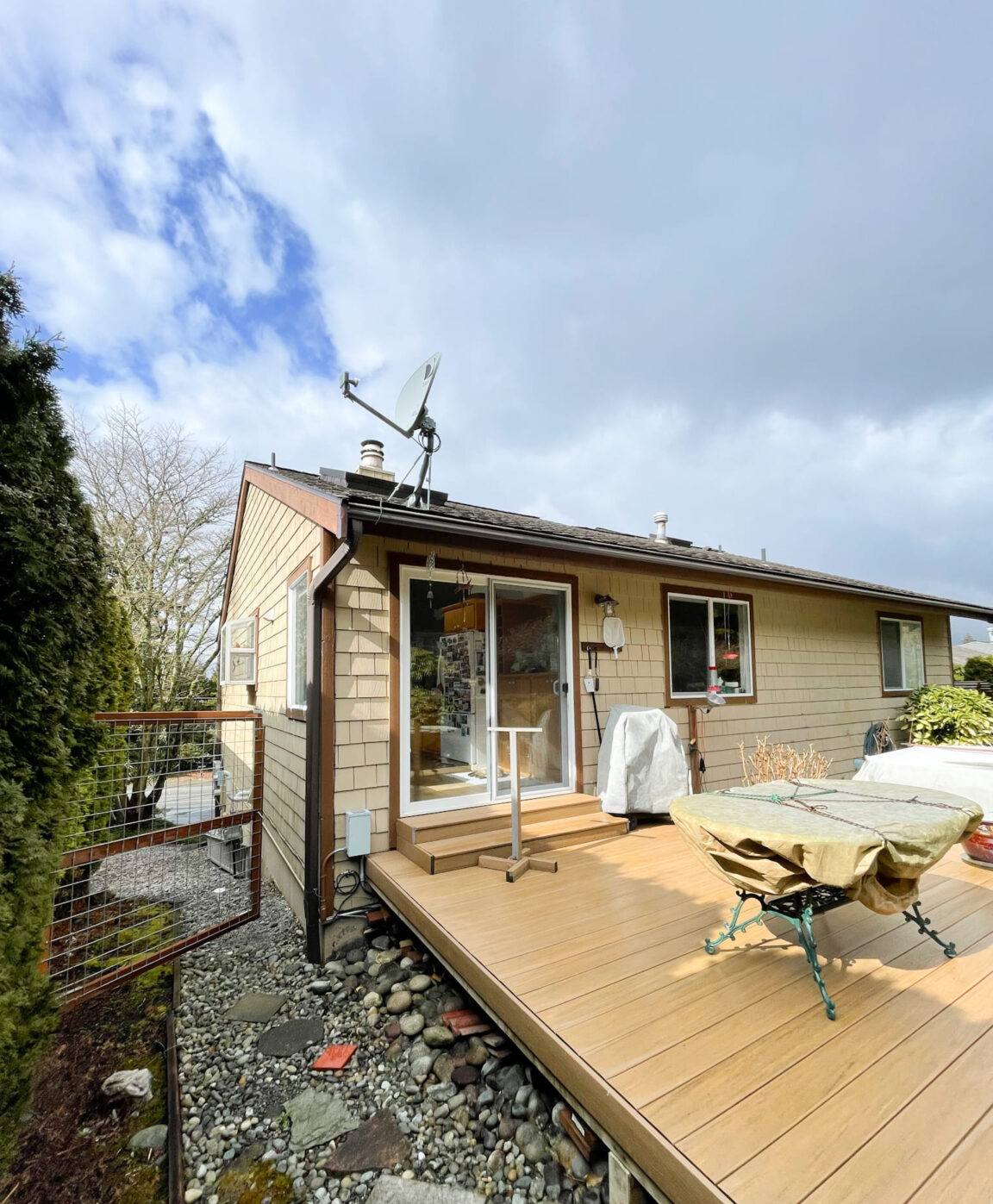
What Salt Air, UV, and Wind-Driven Rain Actually Do to Siding
Each of these stressors attacks siding differently, and a barrier island home gets all three at once, year-round.
Salt Air
Airborne salt is corrosive to fasteners, trim accessories, and any material that isn't built to resist it. It also accelerates the breakdown of coatings that aren't engineered for marine exposure — chalking, fading, and surface degradation show up faster near the Gulf than they do further inland.
Intense, Year-Round UV
Florida sun doesn't take a season off. UV breaks down pigments and resins in lower-grade coatings, which is why siding that looks great on installation day can look chalky and faded within a few years if the finish wasn't built for this exposure.
Wind-Driven Rain
Rain that's being pushed sideways by wind behaves nothing like rain falling straight down. It gets forced up under laps, around trim, and into any seam that isn't properly flashed and sealed. Water intrusion behind siding is one of the most common — and most expensive — hidden failures we see, and it's almost always a flashing and detailing problem, not a "the siding failed" problem.
Hurricane-Force Wind
Wind doesn't just push on a wall — it creates uplift and pressure differentials that test every fastener and every lap. Siding that's under-fastened, fastened with the wrong nail pattern, or installed with too little exposure to the manufacturer's spec is siding that's more likely to come loose or fail in a storm, regardless of what material it's made from.
Why We Install Only James Hardie Fiber Cement Here
We don't install vinyl, LP SmartSide, primed wood, or other fiber cement brands — on St. Pete Beach or anywhere else we work. That's a deliberate standard, not a sales pitch, and it matters more on the coast than almost anywhere else in our service area.
Vinyl softens, warps, and can crack in intense heat, and it has real limits in sustained high wind — exactly the two conditions a Gulf-front property deals with constantly. Wood-based and wood-composite products need more diligent maintenance to keep moisture out, and a barrier island climate is an unforgiving place to fall behind on that maintenance. James Hardie fiber cement is non-combustible, dimensionally stable in heat and humidity, and manufactured in HardieZone product lines specifically engineered for high-moisture, high-UV climates like ours. The ColorPlus factory finish is baked on and formulated to resist fading in intense sun far longer than field-applied paint. That combination — material stability, a coastal-engineered product line, and a finish built for UV — is why it's the only thing we put on homes we stand behind.
What a Correct Siding Installation Actually Involves
The siding material is maybe half the story. The other half is the install detailing underneath it — the part nobody sees once the job is done, and the part that determines whether it holds up in a coastal storm.
| Install Element | Why It Matters on St. Pete Beach |
|---|---|
| Weather-resistant barrier & correct overlap | Stops wind-driven rain from reaching the sheathing even when it's forced sideways under pressure |
| Flashing at windows, doors, and penetrations | The single most common source of hidden water damage when done wrong |
| Manufacturer-spec fastener pattern and type | Under-fastened siding is far more likely to fail in sustained high wind |
| Correct clearance from grade, roofline, and decking | Prevents wicking moisture at the bottom edge, a fast track to rot and coating failure |
| Proper caulking and joint treatment | Salt air and UV break down poor-quality sealants quickly; the right products and technique matter |
Skipping or rushing any one of these can make even the best siding material underperform. This is where most siding problems on the coast actually start — not with the product, but with the installation.
Our Process for St. Pete Beach Projects
- On-site assessment. We look at the current siding or sheathing condition, existing moisture damage, window and door flashing, and any storm-exposure factors specific to the property.
- Product and line selection. We walk through HardiePlank lap siding, HardiePanel vertical siding, and trim options, matched to the home's style and its exposure to wind and sun.
- Tear-off and substrate check. Old siding comes off, and we inspect the sheathing underneath for rot or water damage before anything new goes up — this step gets skipped by crews trying to move fast, and it's where hidden problems live.
- Weather barrier and flashing installation. Done to manufacturer spec, with particular attention to every window, door, and penetration.
- Siding installation. Installed to James Hardie's fastening and clearance requirements, not a generalized "close enough" approach.
- Final detailing and walkthrough. Caulking, trim, and a review with the homeowner before we call it finished.
Wind Codes and Coastal Considerations
Pinellas County's coastal areas, including St. Pete Beach, fall under wind-load requirements that are stricter than inland Florida code in many cases, and a barrier island lot can carry its own specific exposure category. Correct installation isn't just about durability — it's about meeting the fastening and product requirements tied to the property's actual wind exposure. This is another reason product choice and installation detail can't be separated: a product that isn't rated or installed for the exposure category doesn't just underperform, it may not meet code.
Choosing the Right Hardie Line for a Barrier Island Home
| Product | Best Fit |
|---|---|
| HardiePlank Lap Siding | The standard choice for most Gulf-front and near-beach homes; classic lap profile, wide color range |
| HardiePanel Vertical Siding | Coastal and modern architectural styles; often paired with battens |
| HardieTrim | Fascia, corners, and window/door surrounds — matched durability so trim doesn't fail before the field siding does |
| HardieZone HZ5/HZ10 engineering | Formulated for humid, high-moisture climates like the Tampa Bay coastline |
Cost Factors for a St. Pete Beach Installation
Every project is different, but the same handful of factors drive most of the cost variation we see on the beach side specifically:
| Factor | Why It Moves the Price |
|---|---|
| Substrate condition | Rotted or water-damaged sheathing found during tear-off adds repair work before new siding can go on |
| Home size and wall complexity | More corners, gables, and trim detail means more labor and material |
| Product line and profile | Panel vs. lap, plank width, and trim choices all affect material cost |
| Access and site conditions | Narrow beach lots, elevated homes, and limited staging area can add labor time |
We give a firm number after seeing the property in person — not a guess over the phone.
Why a Crew That Already Works St. Pete Beach Matters
Coastal installation isn't the same job as an inland install with a nicer view. A crew that regularly works this stretch of Pinellas County already understands the wind-exposure realities, the salt-air maintenance conversation homeowners need to have, and how to sequence a project around a barrier island's tighter lots and weather windows. That familiarity shows up in the details — the flashing choices, the fastener schedule, the trim treatment — long before it shows up as a problem down the road.
Questions Worth Asking Any Siding Contractor Here
- Do you install to the manufacturer's coastal/high-wind fastening specification, or a generic pattern?
- Will you inspect and document the sheathing condition before installing new siding?
- What flashing details do you use at windows, doors, and roof intersections?
- Is your written estimate based on an in-person assessment of this specific property?
- What does the manufacturer's warranty actually cover, and does your installation keep it intact?
If your St. Pete Beach home needs new siding, or you want a second opinion on a job that's already been quoted, we're glad to take a look and give you a straightforward, no-pressure estimate. Use the form below to get started.