 St. Petersburg Siding
 Fiber Cement Siding Built for Seminole's Coastal Exposure
Seminole sits close enough to the Gulf that salt-laden air is part of daily life, and squarely inside a stretch of Pinellas County that takes real hurricane-season wind loads most years. That combination — salt air, intense sun, and wind-driven rain — is exactly the environment fiber cement siding was engineered to handle, and exactly the environment where a poorly installed fiber cement job falls apart just as fast as a cheaper product would. This page is about the specifics: what Seminole's climate demands from siding, what a correct fiber cement installation actually involves here, and how our process is built around this exact stretch of coastline.
We install James Hardie fiber cement exclusively — no vinyl, no engineered wood, no other fiber cement brands. That standardization matters more in a market like this one than in milder climates, because the margin for a marginal product or a rushed install is smaller. Salt air and wind-driven rain find weak points fast.
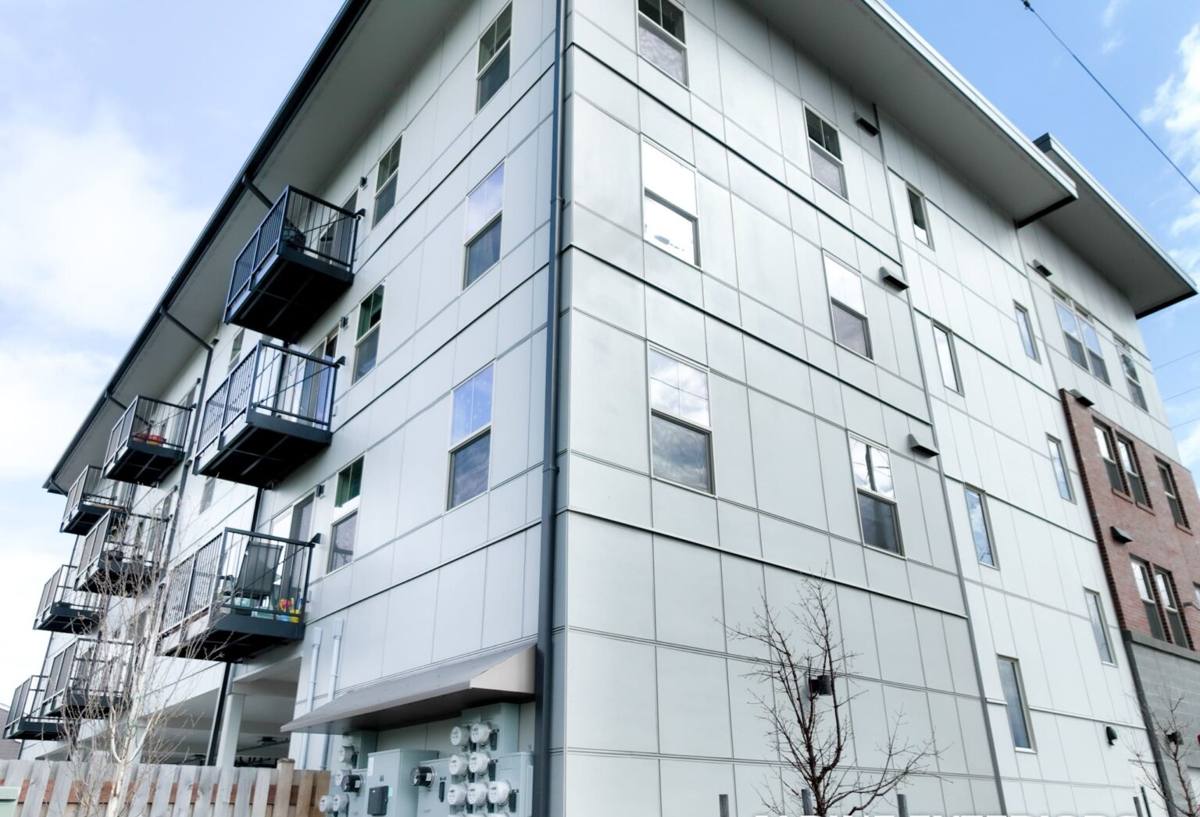
What Seminole's Climate Actually Does to Siding
UV Load
Florida's sun angle and long day length mean a Seminole home's sun-facing walls absorb far more cumulative UV exposure per year than siding almost anywhere else in the country. Field-painted or lower-grade finishes chalk and fade under that load noticeably faster than a factory-cured finish does, which is one of the reasons the finish system matters as much as the underlying board.
Wind-Driven Rain and Hurricane-Force Gusts
Straight-down rain is easy for almost any siding to shed. Rain pushed sideways by sustained hurricane-force wind is a different problem — it works its way into butt joints, fastener penetrations, and trim intersections that stay perfectly dry in a normal rain event. Fiber cement's rigidity and weight help it resist wind uplift better than a lightweight product, but only if it's fastened to the correct schedule for our wind zone. An under-fastened or improperly lapped job doesn't show its weakness until the first real storm tests it.
Salt Air
Airborne salt settles on every exterior surface in Seminole, and it works slowly rather than dramatically — corroding exposed fasteners, degrading lower-quality trim over years, and interacting with coatings that weren't formulated for it. It's part of why fastener spec and finish quality get more attention here than they would on an inland job forty miles away.
Humidity and Moisture Cycling
High humidity and warm, wet nights mean exterior materials rarely get a full chance to dry out between rain events. That's a serious liability for any product with an organic core, and it's the main reason a non-organic, cement-based board behaves so differently here than a wood-fiber alternative.
Why Fiber Cement Instead of Vinyl or Engineered Wood
We get this question at nearly every estimate, and the honest answer is that we tested the alternatives against exactly the conditions above and made a standardization call rather than trying to be everything to everyone.
Vinyl is inexpensive and low-maintenance in a mild climate, but it's a hung, floating product by design, which makes it more vulnerable to being torn loose in sustained high winds than a rigid, mechanically fastened board. Engineered wood siding has real strengths and a genuine following, but it's still a wood-fiber product at its core — any compromise in the factory edge seal, a field cut left unsealed, a fastener crack, gives humid Gulf-coast air a path into a material that swells when it takes on moisture. In a climate that rarely lets a wall assembly fully dry, that's a maintenance-sensitive product with little room for error.
| Factor | Vinyl | Engineered Wood | James Hardie Fiber Cement |
|---|---|---|---|
| Behavior in hurricane-force gusts | Can be torn loose; expansion-fit design | Solid if fastened and sealed correctly | Rigid, mechanically fastened, wind-zone rated |
| Sun-facing fade resistance | Can fade and become brittle over years | Varies by factory finish | ColorPlus finish resists fading and chalking |
| Moisture/humidity response | Doesn't rot, but traps humid air behind it | Wood-fiber core can swell if seal is broken | Non-organic; doesn't swell or feed rot |
| Salt air exposure | Panel stable; fasteners can corrode | Panel stable; fasteners can corrode | Panel stable; correct fastener spec matters |
| Combustibility | Can soften or deform under extreme heat | Combustible (wood-based) | Non-combustible |
What a Correct Fiber Cement Installation Requires
Fiber cement's reputation is built on decades-long performance, but that performance depends entirely on installation discipline. A board installed off James Hardie's published specs doesn't fail the way vinyl fails — but it can still let water in at the exact joints, laps, and penetrations the spec was written to protect. On a Seminole home, where wind-driven rain and salt air are both working against any weak point, that gap between "installed" and "installed correctly" shows up faster than it would inland.
- Correct clearance from grade, roofline, decks, and other siding — Hardie specifies minimums for a reason, and closing that gap traps moisture against the bottom of the board
- A continuous, properly lapped water-resistive barrier behind the siding, integrated with window and door flashing rather than just stapled up and covered
- Kick-out flashing at roof-to-wall intersections, one of the most common places we find hidden water damage on older Seminole homes during tear-off
- Fastener type, length, and spacing matched to our wind zone — not a generic national schedule
- Joints and butt seams sealed and treated per Hardie's specification, not just butted and caulked over
- Field-cut edges sealed before installation, since an unsealed cut edge is a moisture entry point on any fiber cement board
- Corner boards, trim, and fascia detailed to shed water rather than collect it at horizontal surfaces
None of this is exotic. It's published, documented specification work that simply has to be followed every time, on every elevation, rather than treated as optional on the parts of the house nobody's going to inspect closely.
Choosing the Right James Hardie Product Line and Finish
HZ5 Versus HZ10
James Hardie engineers its fiber cement by climate zone rather than shipping one national product. The lines relevant to this part of Florida are formulated for heat, humidity, and moisture exposure rather than the freeze-thaw cycling that drives product choice further north. Which specific line applies to a given Seminole home depends on the exact product and local code requirements, which we confirm during the estimate rather than assuming a default.
ColorPlus Versus Field-Painted
ColorPlus is Hardie's factory-applied finish, cured under controlled conditions before the board ever reaches a Florida job site. For sun-facing walls, that matters: it holds color more evenly under our UV load than a field-applied coat, and it carries its own finish warranty. Primed boards for field painting remain an option and cost less up front, but the finish quality then depends on paint choice and application conditions on the day of the job — a bigger variable in a climate this demanding.
Plank, Panel, or a Mix
Horizontal lap plank is the right primary cladding for most homes in this area's housing stock. Vertical panel systems with battens work well as an accent — a gable end or an entry feature — rather than as the cladding for an entire home. We'll walk through which combination fits your specific house rather than defaulting to one look.
Our Process for a Seminole Fiber Cement Project
- Inspection. We walk the exterior, check for soft spots near trim and openings, and look at flashing conditions before quoting anything.
- Tear-off and sheathing check. Existing siding comes off and the sheathing underneath gets inspected for rot or damage that has to be addressed before new siding goes up.
- Repair. Any compromised sheathing or framing is repaired or replaced — this is where hidden storm damage from prior years often turns up.
- Water-resistive barrier and flashing. A continuous barrier goes up first, integrated with proper flashing at every window, door, and roof-to-wall transition.
- Installation. James Hardie plank, panel, or shingle siding goes up to manufacturer spec and our local wind zone's fastening requirements.
- Trim and detail work. Corner boards, fascia, and trim are finished to match the chosen product line.
- Final walkthrough. We cover caulking, any touch-up needs, and how to care for the finish going forward.
Cost Factors for Fiber Cement Siding in a Seminole Home
| Factor | Why It Moves the Price |
|---|---|
| Home size and number of stories | More square footage and multi-story access both add material and labor |
| Condition found during tear-off | Rotted sheathing or framing discovered underneath adds repair scope |
| Trim and detail complexity | Corner boards, window trim, and multiple rooflines take more labor than a simple box shape |
| Plank profile and exposure | Narrower exposure means more courses and more labor for the same wall area |
| Finish choice | ColorPlus factory finish costs more up front than primed-for-paint boards |
| Site access | Landscaping, fencing, or tight lot lines can slow tear-off and staging |
We walk through these factors specifically during the estimate rather than handing over a number with no explanation behind it.
Why a Crew That Already Works Seminole Matters
Installation quality comes down to details that never show up in a finished photo — how flashing is lapped, how much clearance is left at the bottom course, whether a cut edge got sealed before it went on the wall. A crew that works Pinellas County regularly has already seen how those details play out under this specific combination of sun, salt, and storm exposure, and knows what actually needs attention on a coastal home versus an inland one.
It also matters for permitting. Pinellas County's wind zone requirements set fastening schedules and product specifications, and a contractor who pulls permits here regularly knows what local inspectors check for, rather than applying an out-of-state default and hoping it passes.
Signs Your Seminole Home May Need Fiber Cement Siding Now
- Paint chalking, fading unevenly, or peeling faster on sun-facing walls than shaded ones
- Soft or spongy spots when pressing near windows, doors, or the bottom courses of siding
- Visible gaps, warping, or buckling, especially after a storm season
- Rust streaks around fasteners or trim
- Musty odors or staining on interior walls that back up to exterior siding
- Siding older than 20-25 years with no documented replacement history
None of those signs mean a full replacement is urgent by themselves, but they're worth a professional look before the next storm season rather than after water has already reached the sheathing. Once James Hardie fiber cement is installed correctly, upkeep is light — periodic rinsing to clear salt film and pollen, a visual check of caulking and trim after major storms, and touch-up paint on cut ends or fastener heads if that ever becomes visible. It's not a maintenance-free product, but it asks for far less than a wood-based alternative in this climate.
If you're in Seminole and considering fiber cement siding — whether you're replacing something that's failing or planning ahead of hurricane season — we're glad to come take a look and put together a straightforward, no-pressure estimate using the form below.