 St. Petersburg Siding
 Old Northeast Roofs Work Harder Than Most
Old Northeast is one of St. Petersburg's older, established neighborhoods, and that shows in the roofs. A lot of homes here were built well before modern wind-load codes existed, and many have been re-roofed at least once already. On top of that, this is a waterfront-adjacent part of Pinellas County, which means the roof over an Old Northeast home is dealing with a tougher combination of conditions than a roof twenty miles inland: hurricane-force wind gusts during storm season, intense UV exposure nearly every day of the year, wind-driven rain that gets pushed sideways into laps and flashing, and salt air that slowly works on metal fasteners and flashing over time. None of that is unique to one house on one street — it's the baseline for this whole stretch of the Tampa Bay shoreline, and it's why a roof replacement here needs to be planned differently than the same job in a drier, calmer climate.
Mature Tree Canopy Adds Its Own Wear
Old Northeast is known for its mature oak canopy, and while that's part of what makes the neighborhood attractive, it's also a factor for roofs. Overhanging limbs drop debris, hold moisture against shingles longer after rain, and give squirrels and other wildlife easy access to roof edges and vents. A roof replacement is a good time to also address any branches resting on or overhanging the roofline, since that contact point is a common source of premature wear that has nothing to do with the shingles themselves.
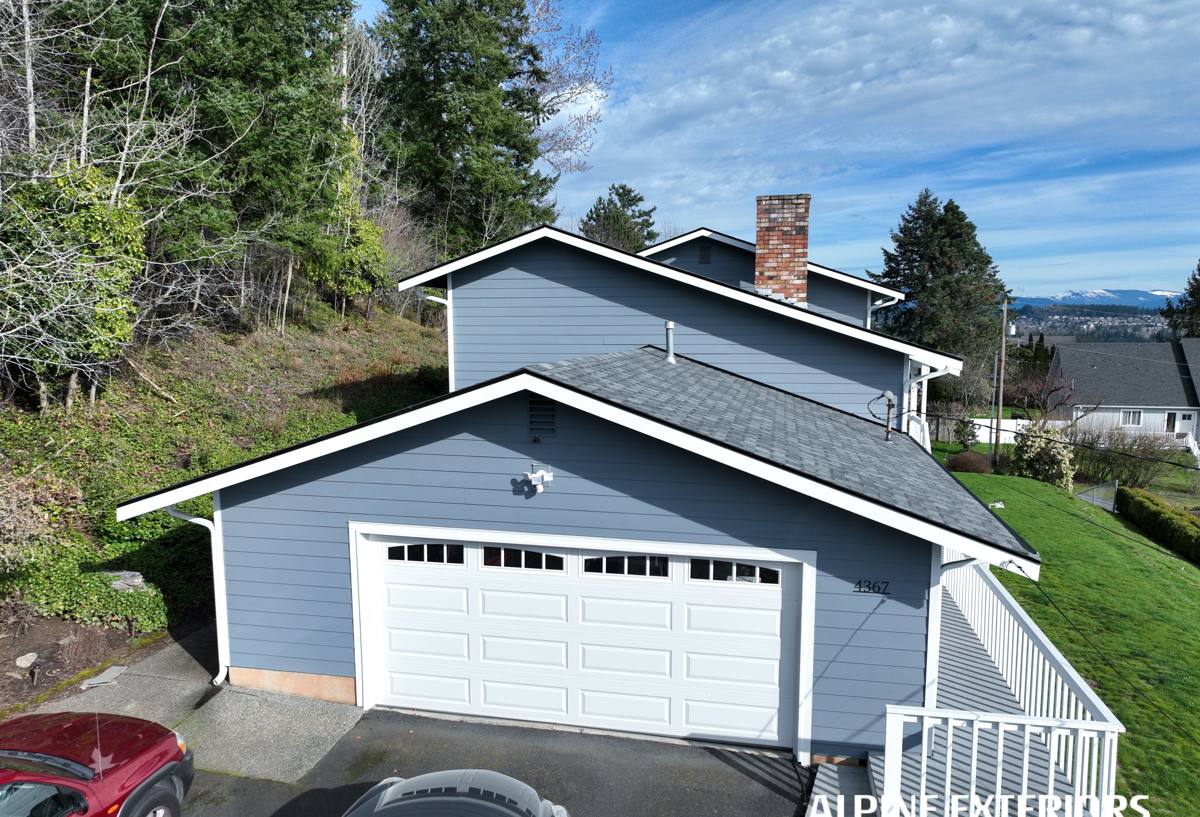
Signs a Roof Replacement Is the Right Call
Not every roof problem means a full replacement — plenty of issues are a repair. But there's a point where patching stops making financial sense and a full replacement becomes the honest recommendation. Here's what we look for:
- Shingles that are cupping, curling, or losing their granules in large patches rather than isolated spots
- Multiple past repairs in different areas of the roof, suggesting the underlayment underneath is failing broadly, not locally
- Soft spots or sagging when walked on, which usually points to deck damage under the roofing material
- Daylight visible through the attic decking, or musty odors and staining on attic insulation
- A roof that's approaching or past the manufacturer's expected lifespan for its material and this climate
- Rising insurance premiums or a carrier flagging the roof's age during a policy renewal or wind mitigation inspection
- Visible flashing corrosion around chimneys, skylights, or roof-to-wall transitions
If you're only seeing one or two of these and the roof is otherwise sound, a repair may genuinely be the right call — we'll tell you that if it's true. A full replacement is worth it when the underlying materials, not just the surface, have reached the end of their service life.
What a Correct Roof Replacement Actually Involves
A roof replacement is more than stripping old shingles and nailing down new ones. In a coastal Pinellas County climate, the parts you don't see matter as much as the parts you do.
Full Tear-Off and Deck Inspection
We remove the existing roofing material down to the deck rather than layering over it. That's the only way to actually see the condition of the plywood or OSB sheathing underneath. Any rotted, delaminated, or soft decking gets replaced before anything new goes down — installing new roofing over a compromised deck just hides a problem that will resurface, usually as a leak, within a few years.
Underlayment Built for Wind-Driven Rain
In a storm coming off Tampa Bay, rain doesn't just fall straight down — it drives sideways under shingle laps. That's why underlayment selection matters here more than it would inland. We use synthetic or self-adhered underlayment systems rated for high-wind, wind-driven-rain conditions, with proper overlap and sealed penetrations, so the roof still has a secondary barrier if wind ever compromises the top layer.
Flashing at Every Transition
Chimneys, skylights, wall intersections, and roof valleys are where the vast majority of roof leaks actually start — not the open field of shingles. Correct flashing detail work, done with the right materials and proper step-and-counter-flashing technique, is one of the most skill-dependent parts of a roof replacement and one of the easiest things for a rushed crew to get wrong.
Ventilation That Matches the Attic
Florida attics take on serious heat, and poor ventilation shortens the life of a new roof from the underside. We check that intake and exhaust venting are balanced for the attic's size before closing the job out, not just replicating whatever ventilation the old roof happened to have.
Choosing a Roofing Material for This Climate
There's no single "best" roofing material for every Old Northeast home — it depends on the roof's structure, the home's architectural style, budget, and how long you plan to own the property. Here's how the common options compare for a coastal Pinellas County application:
| Material | Typical Lifespan | Wind Performance | Best Fit | Maintenance |
|---|---|---|---|---|
| Architectural asphalt shingle | 20–30 years | Good with high-wind-rated products and correct nailing pattern | Most budgets, straightforward re-roofs | Periodic inspection, moderate |
| Standing seam metal | 40–50+ years | Excellent when properly fastened | Owners planning to stay long-term, higher upfront cost | Low |
| Concrete or clay tile | 40–50+ years | Very good, but individual tiles can crack from impact or foot traffic | Mediterranean Revival and similar architectural styles common in older neighborhoods | Moderate — occasional tile replacement |
For older homes with architectural character, tile is often chosen to match the existing style of the house rather than for cost reasons. Metal has become more common for homeowners who want to minimize how often they're dealing with roof replacement at all. Asphalt shingle remains the most common choice because it balances upfront cost with solid performance, as long as the product is rated for the wind speeds this area requires and it's installed correctly.
Permits, Code, and Wind Mitigation
A roof replacement in St. Petersburg requires a permit and has to meet current Florida Building Code wind-load requirements for this region — that's not optional, and it's not something a homeowner should have to manage themselves. We handle the permit application and coordinate the required inspections as part of the job.
It's also worth understanding how a new roof interacts with your insurance. Florida insurers use a wind mitigation inspection to determine premium discounts, and roof age, deck attachment method, roof shape, and the presence of a secondary water barrier all factor into that. A properly documented, code-compliant replacement can improve your wind mitigation standing — but only if it's installed and documented correctly, which is another reason not to cut corners on the underlayment and fastening details.
How Our Process Works
- On-site inspection. We get on the roof, check the attic from the inside, and give you a straight answer on whether you need a replacement or a repair.
- Written proposal. Material options, scope of work, and pricing laid out clearly, with no vague allowances.
- Permit and material order. We pull the permit and schedule material delivery once you approve the scope.
- Tear-off and deck repair. Old roofing comes off, decking is inspected and repaired as needed.
- Underlayment, flashing, and roofing installation. Installed in the sequence and to the specifications the manufacturer and code require.
- Site cleanup. Magnetic sweep for nails, debris hauled off, landscaping checked for damage.
- Final inspection and walkthrough. Municipal inspection scheduled, and we walk the job with you before calling it done.
Protecting the Property While We Work
Because of the tree canopy and older landscaping common in Old Northeast, we take extra care around the property during a tear-off and install — protecting flower beds, walkways, and irrigation lines from falling debris, and keeping the work area contained rather than letting nails and shingle scraps spread across the yard or the neighbor's property. On a street with mature trees and close-set homes, that kind of care isn't optional; it's part of doing the job right.
Why Local Experience in This Neighborhood Matters
A roofing crew that has actually worked on Old Northeast homes understands things that don't show up in a generic estimate: the typical construction of homes from this era, how tree canopy affects the job site, what the permitting process looks like with the City of St. Petersburg, and how to work around narrower older streets and tighter lots without disrupting the block. That familiarity translates into fewer surprises mid-project and a more accurate estimate up front, because we're not guessing at conditions we've never encountered before.
If your roof is showing its age or you just want an honest opinion on where it stands, we're happy to take a look. Reach out for a free, no-pressure estimate using the form below — we'll walk the roof, tell you what we find, and give you a straightforward recommendation either way.