 St. Petersburg Siding
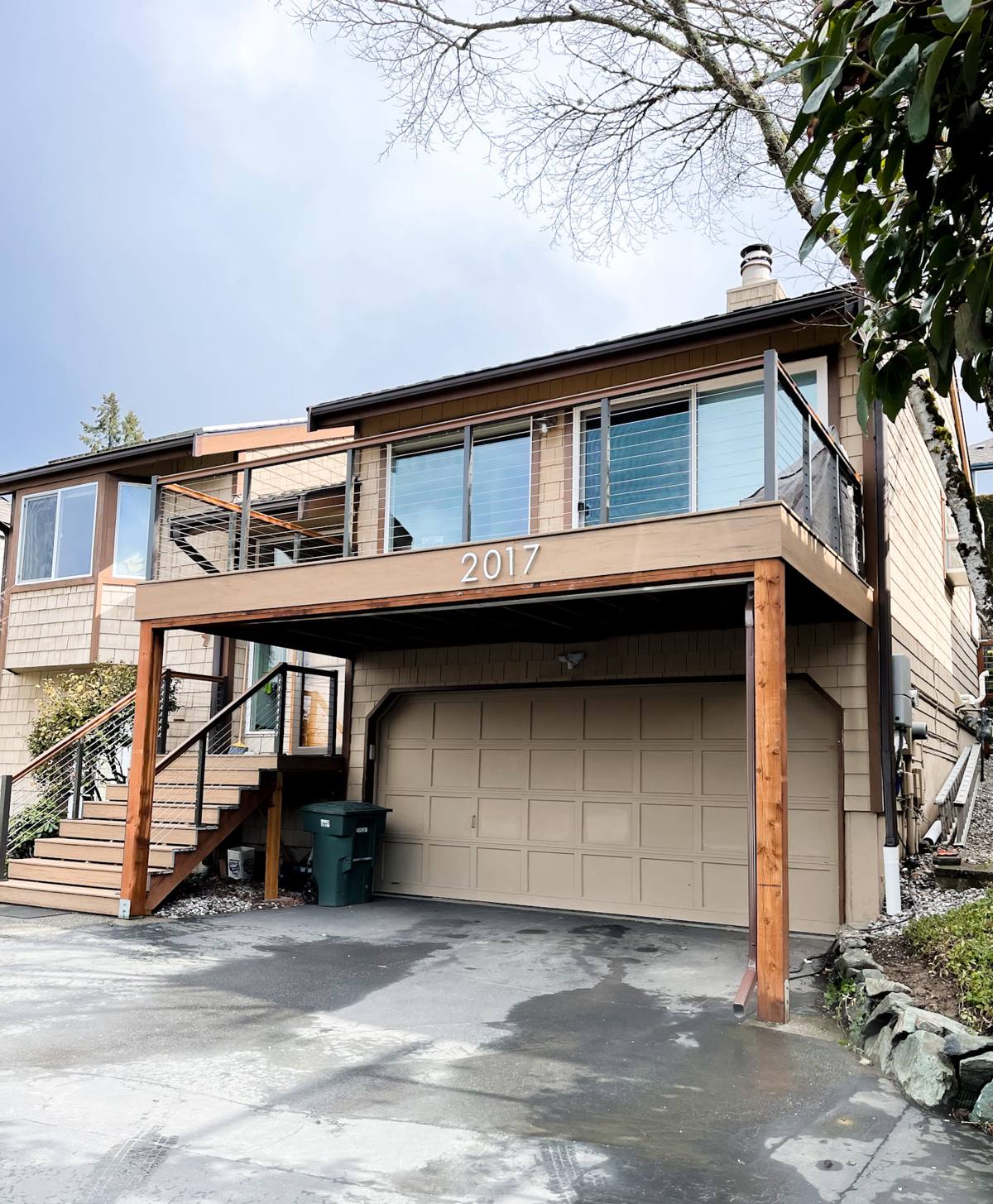
 Deck Building in Historic Kenwood
Historic Kenwood is one of St. Petersburg's older residential neighborhoods, known for its bungalow-style homes, mature tree canopy, and narrower, well-established lots. Building a deck here isn't quite the same project as building one on a newer slab-foundation home out toward the county line. Older framing, established landscaping, tighter setbacks, and in some cases historic district guidelines all shape how a deck gets designed and attached. We've built and repaired decks throughout St. Petersburg and Pinellas County long enough to know that a deck plan that works fine in a newer subdivision can create real problems on a 1920s or 1930s bungalow lot.
This page covers what deck building actually involves for a Historic Kenwood property — the structural and material decisions, the local climate factors, and what separates a deck that lasts from one that starts causing headaches within a few seasons.
What Kenwood's Older Housing Stock Means for a Deck
Many Kenwood homes were built well before modern deck attachment methods, engineered fasteners, and current Florida Building Code requirements existed. That has a few practical effects on a deck project:
- Ledger board attachment to an older house wall often requires more careful inspection of the existing framing, sheathing, and any prior additions before we can properly bolt and flash a ledger.
- Mature trees common in Kenwood mean more root systems near the build area, which affects footing placement and can affect long-term settling if it isn't accounted for.
- Narrower lots and setbacks mean deck footprints often have to be designed around existing structures, fences, and property lines more tightly than on newer, larger parcels.
- Historic district considerations — depending on the specific property, exterior changes visible from the street may be subject to additional review. We factor this into the design and permitting conversation up front rather than after plans are drawn.
None of this makes a deck project harder to do well — it just means the planning stage matters more than it would on a newer build.
The Regional Climate Factors That Shape Every Deck We Build
Every deck we build in the St. Petersburg area, including Kenwood, has to hold up against the same set of conditions year after year:
Hurricane-Force Winds
Pinellas County sits in a hurricane-prone coastal zone, and a deck attached to a house is a structural element, not just a surface to walk on. Ledger attachment, joist hangers, post connections, and railing anchoring all need to be sized and fastened to resist uplift and lateral load, not just support foot traffic.
Intense Year-Round UV
Florida sun is harder on exterior materials than most of the country experiences. UV exposure breaks down unsealed or under-maintained wood fibers, fades color in composite decking, and accelerates the failure of low-quality fasteners and coatings. A deck built here needs materials and finishes rated for sustained UV exposure, not products spec'd for a milder climate.
Wind-Driven Rain
St. Petersburg's storms rarely come straight down. Wind-driven rain gets pushed sideways into ledger connections, under flashing, and into end grain and fastener holes — all common entry points for the kind of moisture intrusion that leads to rot and hidden structural decay. Flashing details and drainage gaps matter more here than in drier climates.
Salt Air
Even a few miles inland from Tampa Bay, salt-laden air accelerates corrosion in fasteners, hardware, and metal connectors. Standard hardware that would be fine in a landlocked state can corrode prematurely here, which is why fastener and hardware selection is a real decision on every Gulf Coast deck, not an afterthought.
Choosing the Right Decking Material for a Kenwood Home
There's no single "best" decking material — the right choice depends on budget, maintenance appetite, and how the deck fits the look of the house. Here's how the common options compare under Kenwood's conditions:
| Material | Upfront Cost | Maintenance | How It Handles Our Climate |
|---|---|---|---|
| Pressure-treated wood | Lowest | Regular sealing/staining needed, roughly every 1-2 years | Affordable and repairable, but UV and humidity will dry, crack, and gray it faster without upkeep |
| Composite decking | Mid to higher | Low — periodic cleaning, no staining | Resists rot and UV fading well when a quality product is chosen; some early-generation composites had moisture-absorption issues, which is why product selection matters |
| PVC/capped polymer | Highest | Very low | Best moisture resistance of the group, holds color well under intense sun, strong fit for a low-maintenance coastal property |
| Tropical hardwoods (e.g., ipe) | High | Moderate — periodic oiling to maintain color | Naturally dense and rot-resistant, but installation is unforgiving and requires specific fasteners and techniques |
For a bungalow-style Kenwood home, the material decision is often as much about matching the house's character as it is about performance — a natural wood or wood-look composite frequently suits the neighborhood's aesthetic better than a bright, modern-looking synthetic deck.
Why We're Selective About Which Composite Products We Install
Not every composite product on the market performs the same in Gulf Coast humidity and sun. We've seen a range of quality across manufacturers — some early boards on the market were prone to moisture absorption and swelling at cut ends if not capped and sealed properly during installation. Our standard is to use products with full polymer capping on all sides and to follow manufacturer-specified gapping and fastening, because that installation detail affects long-term performance as much as the product itself does.
What a Correctly Built Deck Actually Involves
A deck that lasts in this climate comes down to details most homeowners never see once the boards are down:
- Proper footings sized and depth-set for Florida soil conditions, avoiding root zones from established trees where possible.
- Flashed ledger attachment using through-bolts (not just lag screws) and flashing that directs water away from the house band board.
- Corrosion-resistant hardware — stainless steel or coated fasteners rated for coastal/salt-air exposure, not generic hardware store fasteners.
- Proper board spacing and airflow underneath the deck to allow moisture to evaporate rather than sit trapped against framing.
- Railing and guard systems anchored to resist both lateral load and wind uplift, meeting current Florida Building Code requirements.
- Permitting and inspection through the City of St. Petersburg, which is required for most deck construction and is not optional to skip, even on a smaller project.
Our Process for a Kenwood Deck Project
1. On-Site Assessment
We look at the existing structure, the ledger attachment point, tree root locations, drainage patterns, and setback/lot constraints specific to the property.
2. Design and Material Selection
We talk through material options honestly — cost, maintenance level, and how each option will look against the home's existing architecture — and design the footprint to work within the lot's real constraints.
3. Permitting
We handle the permit application and, where a property falls under additional historic district review, we account for that in the timeline rather than treating it as a surprise mid-project.
4. Construction
Footings, framing, ledger attachment, decking, and railing are installed in sequence with inspections at the required stages.
5. Final Walkthrough
We walk the finished deck with the homeowner, cover basic care for whichever material was installed, and confirm everything passed final inspection.
Maintenance in Pinellas County's Climate
Whatever material is chosen, a few habits extend the life of any deck in this region:
- Rinse off salt residue, pollen, and debris periodically, especially after storms.
- Check fastener heads and railing connections annually for corrosion or looseness.
- Keep gutters and nearby drainage clear so water isn't funneled toward the deck structure.
- For wood decks, re-seal or re-stain on the schedule the product calls for — UV exposure here is more aggressive than in most other regions.
- Trim back vegetation that holds moisture against the deck surface or framing.
Why a Crew That Already Works in Historic Kenwood Matters
A deck contractor who mostly builds on newer construction may not think twice about tree roots, older framing conditions, or historic district review — because they rarely encounter them. Working regularly in Kenwood and similar older St. Petersburg neighborhoods means we're used to inspecting original house framing before attaching a ledger, designing around mature landscaping instead of against it, and building in the extra step of historic-area permitting review when it applies. That familiarity shows up in fewer surprises mid-project and a deck that actually fits the property it's built on.
If you're considering a new deck or replacing an aging one in Historic Kenwood, we're happy to take a look and talk through honest options for your specific property. Reach out for a free, no-pressure estimate using the form below.