 St. Petersburg Siding
 Board & Batten in a Gulfport Climate
Gulfport sits on a peninsula between Boca Ciega Bay and the open Gulf, which means the houses here take a different kind of weather beating than homes even a few miles inland in St. Petersburg. Salt-laden air moves through the neighborhood daily, afternoon storms roll in fast off the water, and the sun is intense enough, year-round, to break down materials that aren't built for it. Board and batten siding — with its vertical panels and raised battens covering the seams — is a popular look on Gulfport's older Florida cottages, bungalows, and newer builds alike. But the look only holds up if the material underneath it is chosen and installed for this exact environment.
We install board and batten in James Hardie fiber cement only. Not vinyl, not engineered wood, not primed spruce. That's a deliberate standard, and on a coastal peninsula like Gulfport it matters more than it would somewhere drier and calmer.
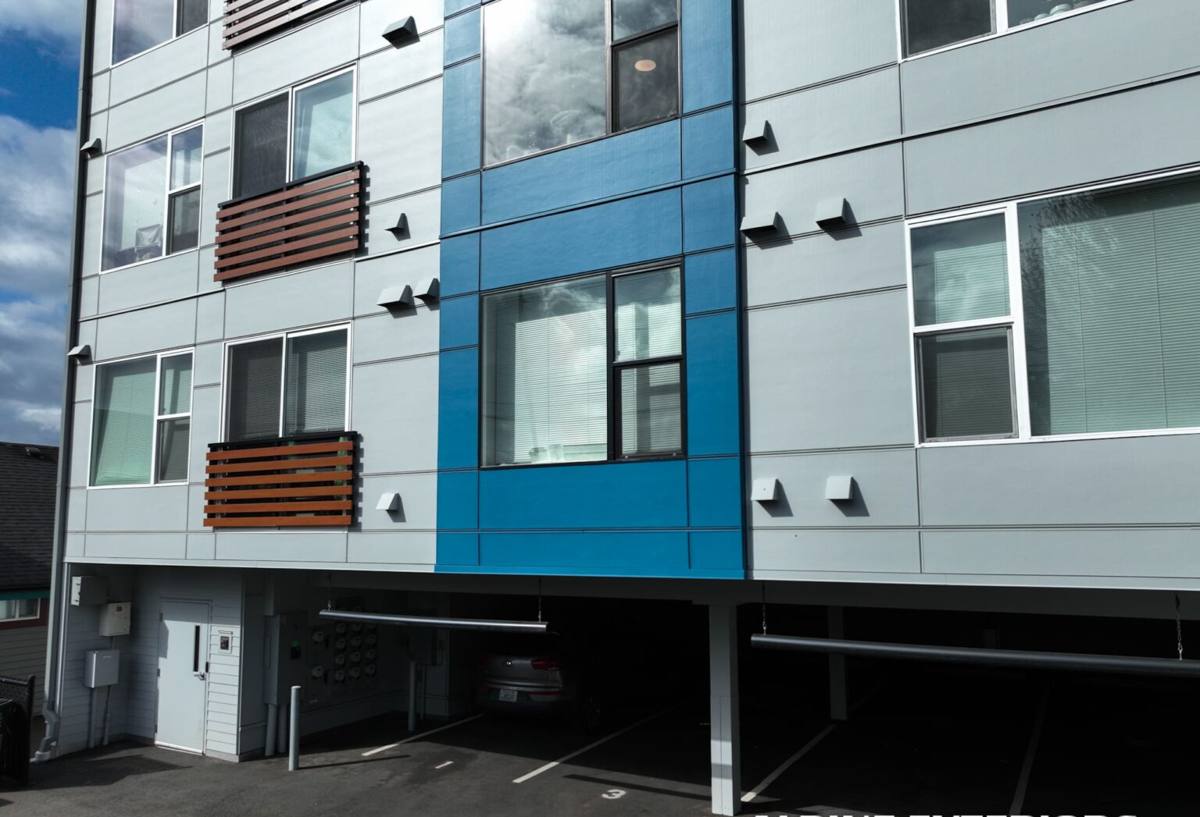
Why Vertical Siding Needs to Be Right in This Neighborhood
Board and batten is a vertical-plank system, which changes how water and wind interact with it compared to standard horizontal lap siding. The seams run up and down instead of shedding water downward course by course, so the batten strips and the fastening pattern behind them are doing real structural work, not just decoration. In a neighborhood exposed to wind-driven rain off the bay, a batten system with poor flashing or the wrong fastener spacing gives water a path to work behind the panel. Once moisture gets behind board and batten, it tends to sit there, because the same vertical orientation that sheds rain off the face doesn't drain trapped water nearly as well.
Add in the salt air constant to any Pinellas County waterfront-adjacent community, and you have two problems stacking on top of each other: a siding profile that's less forgiving of installation mistakes, and an atmosphere that corrodes fasteners and degrades weak substrates faster than it would inland. That combination is exactly why we won't put board and batten on a Gulfport home using a material that swells, delaminates, or corrodes when it's asked to do this job long-term.
What Hurricane-Season Wind Does to Vertical Panels
Wide, flat vertical panels catch wind differently than narrow horizontal laps. Under gusts, an improperly fastened board and batten panel can flex and work its fasteners loose over time, and in a direct hurricane-force event, under-fastened panels are the first thing to fail. Fastener count, fastener type, and stud penetration aren't places to cut corners on this style of siding — they're the difference between a system that stays put through a named storm and one that doesn't.
Why We Only Install James Hardie for This Application
James Hardie's fiber cement is engineered specifically to handle the freeze-thaw isn't the issue here — it's moisture cycling, UV, and salt exposure that Florida coastal siding actually deals with. For board and batten specifically, that means:
- Dimensional stability: fiber cement doesn't swell, cup, or split the way wood-based products can when they take on and release moisture repeatedly in a humid coastal climate.
- Non-combustible core: not a Gulfport-specific concern over vinyl melting, but relevant anywhere embers or radiant heat from a neighboring structure fire are a possibility.
- ColorPlus factory finish: a baked-on finish that resists the fading intense Florida UV causes in field-painted or thinly primed products — important on a style like board and batten where the flat panel faces get direct sun exposure most of the day.
- HZ5 formulation availability: Hardie's moisture- and climate-engineered product lines are built for exactly this kind of humid, salt-air exposure, unlike general-purpose siding materials that weren't designed with the Gulf Coast in mind.
We don't install vinyl board and batten, LP SmartSide, Cemplank, Allura, or raw primed wood battens. Each of those has a place in the market, but none of them combine the dimensional stability, factory-cured finish, and long-term warranty backing that a Gulfport exterior needs from a vertical siding system exposed to salt air and storm wind every year.
What a Correct Board and Batten Installation Involves
The finished look of board and batten — clean vertical lines, crisp shadow lines at the battens — hides most of what actually determines whether it lasts. The parts that matter are underneath:
Weather-Resistive Barrier and Flashing
A continuous water-resistive barrier goes on before any siding, with special attention at window and door openings, corners, and the bottom termination where the siding meets the foundation. On a vertical system, the flashing details at horizontal breaks — like where the siding meets a soffit, a roofline, or a lower band board — carry more of the water-management load than they do on lap siding, because there are fewer horizontal shed points along the wall itself.
Fastening Pattern
Hardie's published fastening requirements specify blind- or face-nailing schedules, fastener type, and stud penetration depth. In a high-wind coastal zone like Gulfport, following that schedule exactly — not "close enough" — is what keeps panels attached through a tropical storm or hurricane season rather than just through a calm afternoon.
Batten Spacing and Attachment
Battens need consistent spacing for the look to read correctly, but more importantly they need their own correct fastening into framing, not just into the panel or the WRB. A batten that's only nailed into the underlying panel, rather than through to the stud, is a weak point that shows up as loose or lifting trim within a few storm seasons.
Caulking and Joint Treatment
Vertical seams, corners, and penetrations get sealed per Hardie's specifications using compatible sealant — not whatever caulk happens to be in the truck. In salt air, sealant quality and joint prep affect how long a seal actually holds before it needs attention.
Board and Batten vs. Other Siding Options for a Gulfport Home
| Factor | James Hardie Board & Batten | Vinyl Board & Batten | Engineered Wood (LP-style) |
|---|---|---|---|
| Salt air / coastal durability | Engineered for it (HZ5 lines) | Can become brittle and discolored over time in intense UV and salt exposure | Vulnerable to moisture intrusion at seams and cut edges |
| Hurricane wind rating | High, when installed to Hardie's fastening spec | Lower impact and wind resistance than fiber cement | Moderate, dependent on installation and moisture condition |
| Finish longevity in Florida sun | ColorPlus factory finish, resists UV fade | Color can fade and chalk under sustained UV | Field-applied paint needs earlier repainting cycles |
| Fire resistance | Non-combustible | Combustible | Combustible |
| Warranty structure | Strong transferable manufacturer warranty | Varies, often prorated | Varies, moisture-related failures often excluded |
Our Process for a Gulfport Board and Batten Project
We've worked in Gulfport and around St. Petersburg long enough to know which walls take the worst of the bay-side wind and which lots sit close enough to the water that salt exposure is a daily factor, not an occasional one. That local familiarity shapes a few practical decisions before the first panel goes up.
- On-site assessment of the existing wall assembly, current siding condition, and any moisture or rot found once old material comes off.
- Product and fastening spec selection matched to the home's wind exposure and Pinellas County's coastal wind zone requirements.
- Removal and substrate check — old siding comes off, sheathing gets inspected, and any water-damaged framing or sheathing is addressed before new material goes on.
- WRB and flashing installation at every opening, corner, and horizontal termination point.
- Hardie board and batten installation to manufacturer fastening schedule, with correct batten attachment into framing.
- Joint sealing and final detailing using compatible sealant at seams, corners, and penetrations.
- Final walkthrough to confirm the finished install matches the agreed scope and product spec.
Why Local Experience Matters for This Job
Board and batten installed by a crew unfamiliar with coastal Pinellas conditions can look identical to a correctly installed job on day one — the difference shows up two, three, five storm seasons later, when the fastening pattern, flashing details, and product choice either held up or didn't. A crew that already works Gulfport and the surrounding St. Petersburg area knows the practical realities: how close the water table sits in some yards, how quickly salt film builds on unprotected surfaces, and which wall orientations catch the worst of the wind-driven rain during a typical Gulf storm track. That's knowledge you apply during installation, not something you can fix afterward with a better paint job.
What to Check Before Hiring for Board and Batten
- Ask specifically what fastening schedule they follow, and whether it's per the manufacturer's published spec for your wind zone.
- Confirm what water-resistive barrier and flashing details they use at openings and horizontal terminations.
- Ask which siding brand and product line they install, and why — a contractor who installs multiple competing brands often isn't specialized in the installation details any one of them requires.
- Get the warranty terms in writing, including whether it's transferable if you sell the home.
- Ask how they handle substrate repair if rot or water damage is found once the old siding comes off.
Maintenance After Installation
Correctly installed Hardie board and batten is low-maintenance, not no-maintenance. In Gulfport's salt air, an occasional rinse-down of the exterior helps prevent salt film buildup, and an annual visual check of caulked joints and any trim intersections catches small issues before they become water intrusion problems. Because the ColorPlus finish is factory-applied and UV-resistant, repainting isn't a routine task the way it is with field-finished wood siding — but joint sealant does have a service life and should be inspected periodically, especially after a rough storm season.
If you're weighing board and batten for a home in Gulfport or elsewhere in St. Petersburg, we're happy to take a look at your specific walls, wind exposure, and current siding condition, and give you a straightforward, no-pressure estimate.