 St. Petersburg Siding
 Deck Repair Built for Euclid-St. Paul's Coastal Conditions
Euclid-St. Paul sits in one of St. Petersburg's older, tree-lined residential pockets, where a lot of homes have outdoor decks that have been through decades of Florida weather. A deck here doesn't fail because the owner neglected it — it fails because Pinellas County throws a specific combination of stress at exterior wood and composite structures that inland decks never see. Intense year-round UV breaks down finishes and dries out wood fiber. Wind-driven rain during summer storms and tropical systems drives moisture into joints, fasteners, and end grain. Salt air drifting in off Tampa Bay and the Gulf accelerates corrosion on anything metal. And when a hurricane-strength wind event comes through, a deck's structural connections — not just its surface boards — get tested.
We repair decks throughout St. Petersburg, and Euclid-St. Paul is a neighborhood we already know. That matters more than it sounds like it should, and we'll explain why further down. First, let's talk about what actually goes wrong with decks in this climate and what a repair needs to address to hold up.
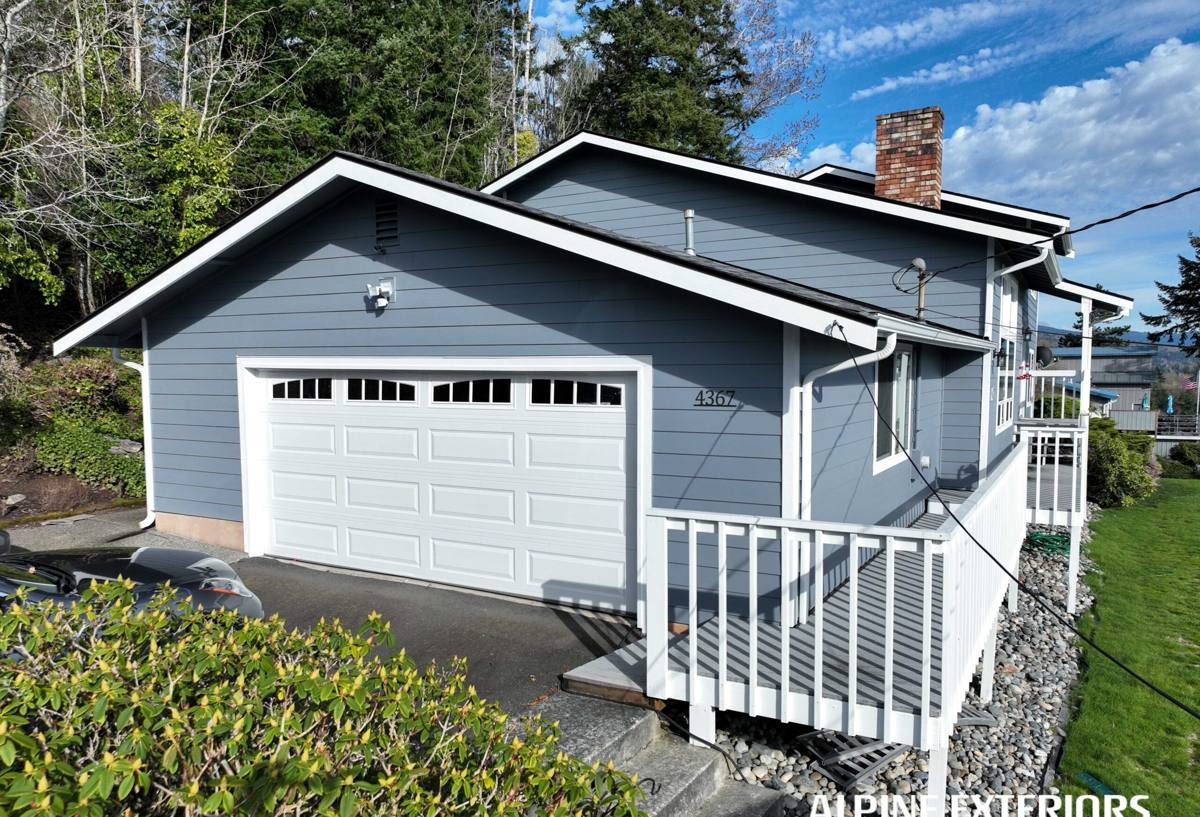
What Salt Air, UV, and Storm Wind Do to a Deck Over Time
Wood Decking and Framing
Pressure-treated pine is the most common decking and framing material on older St. Petersburg homes. It resists rot reasonably well when installed and maintained correctly, but constant UV exposure breaks down the wood's surface fibers, and repeated wet-dry cycling from afternoon storms opens up checking and cracks. Once cracks form, wind-driven rain gets into the board and framing members below, and that's where rot actually starts — usually at ledger boards, joist ends, post bases, and anywhere two pieces of wood meet and trap moisture. By the time you see soft or discolored decking, the framing underneath has often been wet for a long time.
Composite and Capped Decking
Composite boards handle UV and moisture better than raw wood, but they're not immune to problems. Boards that weren't fastened with the correct clips or spacing can buckle in summer heat. Cut ends that weren't properly capped or sealed can wick moisture. And composite decking is only as good as the framing underneath it — we've replaced composite surfaces sitting on badly rotted joists more than once, because the top looked fine while the structure underneath was failing.
Fasteners, Connectors, and Hardware
This is the piece homeowners underestimate most. Salt-laden air near the coast corrodes standard galvanized fasteners and joist hangers faster than it would inland. Corroded fasteners lose holding strength quietly — there's no visible sign until a board lifts, a railing wobbles, or worse, a connection fails under load. Any honest deck repair in this area has to treat hardware as seriously as it treats the wood.
Signs Your Deck Needs Repair, Not Just a New Coat of Stain
A lot of deck problems get masked by a fresh coat of sealant or paint, which looks good for a season and then fails again because the underlying issue was never fixed. Here's what actually signals a repair need:
- Boards that feel spongy, springy, or soft underfoot, especially near the house or around posts
- Visible cracking, splintering, or graying that goes beyond the surface
- Rust streaks below fastener heads or around joist hangers
- Railings or stair rails that flex, wobble, or feel loose when you lean on them
- Gaps opening up between the deck and the house at the ledger board
- Standing water or slow drainage after a normal rain
- Nails backing out or screw heads stripped and sitting proud of the board
- A musty smell coming from underneath the deck
Any one of these on its own might be minor. Several together, especially near the ledger connection to the house, usually means it's time for a real structural look, not another coat of finish.
What a Correct Deck Repair Actually Involves
Structural Repairs
The ledger board — where the deck attaches to the house — is the single most important connection on the structure, and it's also the one most exposed to wind-driven rain running down the siding. We check ledger flashing, fastening, and the wood condition behind it before touching anything cosmetic. We also inspect post bases, joist hangers, and beam connections for rot, corrosion, and undersized hardware, since decks built years ago were sometimes fastened with connectors that don't meet current wind-load expectations for this area.
Surface and Board Repairs
Once the structure underneath is sound, we address decking boards, railings, and stair treads — replacing what's damaged, resecuring what's loose, and matching new material to what's staying wherever that's practical. We don't just sister a bad joist and re-deck over it without checking what caused the damage in the first place; if the root cause is a flashing gap or drainage problem, we fix that too, or the same rot comes back in a couple of years.
Drainage and Airflow
Decks that sit low to the ground or have poor airflow underneath hold moisture longer after every storm, which shortens the life of any repair. Where it's practical, we improve drainage and ventilation as part of the repair rather than just replacing wood and leaving the underlying moisture problem in place.
Repair Materials: What We Use and Why
| Component | Material | Why It Matters Here |
|---|---|---|
| Framing lumber | Pressure-treated, rated for ground contact where applicable | Better rot resistance under Pinellas County's humidity and rain cycles |
| Fasteners | Hot-dip galvanized or stainless steel, matched to lumber treatment chemical | Standard electroplated fasteners corrode faster in salt-influenced coastal air |
| Joist hangers/connectors | Coastal-rated or stainless hardware | Structural connections need to resist corrosion, not just look intact |
| Decking surface | Wood or capped composite, homeowner's choice | Each has real trade-offs in cost, maintenance, and UV/moisture behavior |
| Ledger flashing | Corrosion-resistant metal or membrane flashing | Primary defense against wind-driven rain at the house connection |
We'll talk through the honest trade-offs for your specific deck — wood costs less upfront and needs more upkeep; composite costs more upfront and needs less, but isn't maintenance-free and behaves differently in heat. There's no universally "right" answer, only the right one for your budget and how much upkeep you want to do.
Our Deck Repair Process
- On-site inspection. We walk the full deck, check underneath it, test the ledger connection, and probe suspect boards and posts for soft spots.
- Written scope and estimate. You get a clear breakdown of what needs structural repair versus what's cosmetic, with pricing before any work starts.
- Structural work first. Framing, ledger, posts, and hardware get addressed before any surface repair, since surface work over a bad structure doesn't hold.
- Surface and railing repair. Damaged boards, railings, and stair components get replaced or resecured to match the rest of the deck.
- Final check. We walk the deck with you, point out what was done, and flag anything worth watching going forward.
What Deck Repair Typically Costs
Every deck is different, so exact pricing depends on what we find once we're underneath it, but these are the general factors that move the number:
| Factor | Impact on Cost |
|---|---|
| Extent of structural rot vs. surface-only damage | Largest single factor — ledger/joist replacement costs more than board swaps |
| Deck size and height off the ground | Larger and elevated decks take more labor and material |
| Material choice (wood vs. composite) | Composite material costs more per board but often needs less future repair |
| Access underneath the deck | Tight crawl space or landscaping can slow structural work |
| Railing and stair condition | Code-related railing repairs add labor and hardware cost |
We'd rather give you an honest number after actually looking at the deck than a rough figure over the phone that changes once we're on-site. The estimate is free either way.
Why Hiring a Crew That Already Works Euclid-St. Paul Matters
Deck framing, siding, and other exterior details in Euclid-St. Paul reflect the age and construction style typical of this part of St. Petersburg, and a crew that's already worked on homes in the neighborhood recognizes those patterns quickly instead of guessing. We know the kind of ledger and framing setups common in this pocket of Pinellas County, which speeds up the inspection and helps us scope the repair accurately the first time. We're also familiar with St. Petersburg's permitting expectations for structural deck work, which keeps the job from stalling on paperwork.
Just as important: we're a local crew, not a traveling outfit that's gone once the check clears. If something needs a follow-up look after the next storm season, we're still here and still working in this area.
Keeping Your Deck in Good Shape After the Repair
A repaired deck still needs basic upkeep to get its full life out of this climate. Rinse off salt residue and debris periodically, especially after storms. Reseal or refinish wood decking on a regular schedule rather than waiting until it looks dry and gray. Keep gutters and downspouts directing water away from the deck area rather than onto it, and take a look underneath once or twice a year for early signs of moisture or pest activity. Catching a small issue early is a lot cheaper than catching it late.
If your deck in Euclid-St. Paul is showing soft spots, loose railings, or just hasn't been looked at in a while, we're happy to come take an honest look. Fill out the form below for a free, no-pressure estimate.