 St. Petersburg Siding
 Why Decks in Old Northeast Wear Out Faster Than You'd Expect
Old Northeast is one of St. Petersburg's older, tree-lined neighborhoods, and that combination — mature canopy shade, proximity to Tampa Bay, and decades-old housing stock — creates a specific set of problems for outdoor decks. Homeowners here often assume a deck failed because it was "old," when the real cause is a mix of climate exposure and original construction that was never built for how hard Pinellas County weather works a structure over time.
Between the hurricane-force wind events that pass through the Tampa Bay area, the intense UV load we get nearly year-round, wind-driven rain that finds its way into every seam and fastener hole, and the salt air drifting in off the bay, a deck here is under constant low-grade attack. None of these factors alone destroys a deck quickly. Together, over 10-20 years, they do.
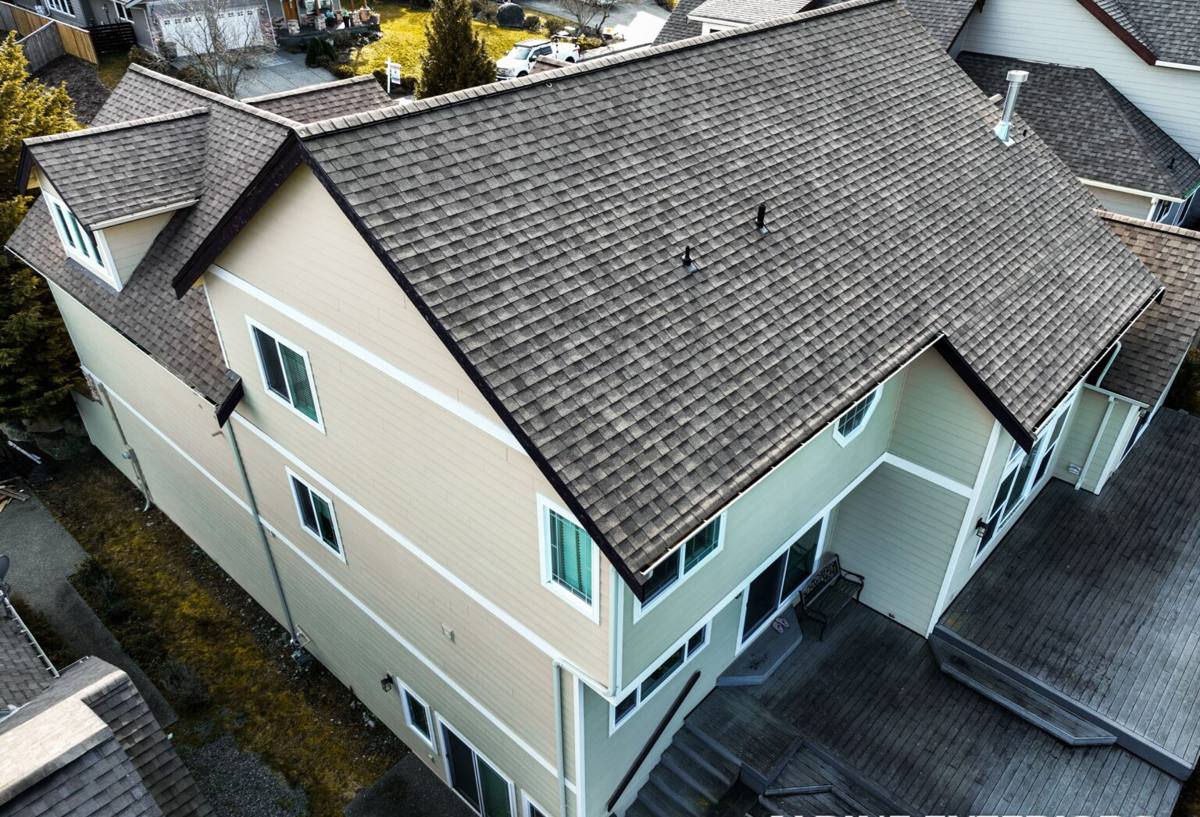
What a Deck Actually Needs to Survive Here
Wind Resistance
Deck framing has to be attached to the house and to its own footings in a way that resists uplift and lateral loads, not just gravity. Older decks — especially ones added on after the original home was built — were sometimes toe-nailed or under-fastened by the standards a coastal Pinellas County property needs today. When we replace a deck, connection hardware and ledger attachment get sized for wind, not just for holding up foot traffic.
UV Stability
Florida sun breaks down wood fibers, dries out sealants, and fades or chalks lower-grade composite decking within a few seasons. Material choice and finish matter more here than in most parts of the country simply because the sun exposure is so much higher and more consistent.
Moisture Management
Wind-driven rain doesn't fall straight down — it drives sideways and gets pushed up under boards, around post bases, and into ledger connections. A deck that isn't detailed to shed and drain water properly will trap moisture at exactly the joints where rot and fastener corrosion start.
Salt Air Corrosion
Even set back from the water, Old Northeast gets enough salt-laden air off Tampa Bay to accelerate corrosion on standard fasteners, brackets, and hardware. Anything holding the structure together needs to be rated for that environment, not just for outdoor use in general.
Repair or Full Replacement? How to Tell
Not every tired deck needs to come out. But there are signs that point to replacement rather than patching, and it's worth being honest about which category your deck falls into before spending money on repairs that won't hold.
- Soft, spongy, or visibly sagging boards in more than one area
- Rot or rust at the ledger board where the deck meets the house
- Wobble or movement at the posts or railing when you push on them
- Fasteners that are rusted, popped up, or staining the wood around them
- Footings that are cracked, heaving, or clearly undersized for the deck's size
- A deck that's more than 15-20 years old and has never had major structural work
If the problems are limited to a few boards or a railing section, repair can make sense. If the framing itself, the ledger connection, or the footings are compromised, patching individual boards just delays a bigger failure — and in some cases masks a safety issue.
Choosing the Right Decking Material for This Climate
There's no single "best" decking material — there's a best material for your budget, your maintenance appetite, and how much sun and rain your specific deck sees. Here's how the common options actually perform in a St. Petersburg setting.
| Material | UV & Fade Behavior | Moisture Behavior | Maintenance | Typical Lifespan Here |
|---|---|---|---|---|
| Pressure-treated pine | Fades and grays without regular sealing | Prone to warping/checking if not sealed and drained well | Needs re-sealing every 1-2 years | 10-15 years |
| Composite decking | Good with cap-stock products; lower-grade composites can chalk | Won't rot, but poor drainage below boards can still trap moisture and cause mold on the underside | Occasional cleaning, no sealing | 20-25+ years |
| PVC decking | Very stable in full sun | Essentially waterproof; least sensitive to wind-driven rain | Low — occasional cleaning | 25+ years |
| Tropical hardwood | Fades to gray without oiling | Naturally dense and rot-resistant, but installation must account for movement | Regular oiling to maintain color | 20-30 years with upkeep |
For most Old Northeast homes, we steer clients toward composite or PVC for the walking surface simply because the maintenance burden of sealing bare wood every year or two in this climate is a lot to ask of a homeowner. That's a practical trade-off, not a knock on wood — some homeowners want the look and are fine with the upkeep, and we'll build it either way. What we won't do is install a product in a way that ignores how it actually behaves in heat and moisture, regardless of what's on the label.
Structural Considerations Behind the Boards
Framing and Fasteners
The visible decking is the smallest part of the job. What holds a deck together — the joists, beams, posts, and the hardware connecting them — is what determines whether it survives the next major wind event. We use fasteners and structural connectors rated for coastal exposure, not the standard hardware that's fine inland but corrodes faster this close to the bay.
Ledger Attachment
The ledger board, where the deck ties into the house, is the single most common failure point on older decks and also the point where a code-compliant reattachment matters most for wind resistance. We inspect and rebuild this connection as part of every replacement, not as an afterthought.
Footings and Post Bases
Older Old Northeast homes sometimes have decks sitting on undersized or shifted footings that were adequate decades ago but don't meet current standards. We evaluate footing size and depth against current Pinellas County code requirements and correct them during replacement rather than building a new deck on an old, compromised foundation.
Permitting
Deck replacement in St. Petersburg generally requires a permit, and inspections check structural connections, footings, and railing height and spacing. We handle the permitting process as part of the job so it isn't left for the homeowner to navigate.
Working Around Older Homes and Mature Trees
A lot of what makes Old Northeast worth living in — the tree canopy, the character of the older homes — also shapes how a deck replacement has to be done. Mature trees mean root systems near footings, shade that keeps wood damp longer after rain, and debris that clogs gaps between boards if drainage isn't planned for. Older homes often have additions, uneven original framing, or house connections that don't match what current code expects, which means more careful assessment before we ever price the job. We build around these realities rather than treating every property like a blank, brand-new lot.
Our Replacement Process
- On-site assessment — we inspect the existing deck, ledger connection, footings, and surrounding conditions (trees, drainage, house structure) before quoting anything.
- Honest repair-vs-replace recommendation — if repair genuinely makes sense for your deck, we'll say so.
- Material and design discussion — matched to your budget, maintenance preference, and how the deck will actually be used.
- Permitting — we pull the required permits and schedule inspections.
- Demolition and structural rebuild — old decking, framing, and any compromised footings or ledger connections are removed and rebuilt to current standards.
- Decking, railing, and finish work — installed with attention to drainage, fastener spacing, and how the surface will hold up to sun and rain here.
- Final walkthrough — we go over the finished deck with you, including what maintenance (if any) it needs going forward.
Maintaining Your New Deck in a Coastal Climate
Whatever material you choose, a little regular attention keeps it performing the way it should for years:
- Rinse off salt residue, pollen, and debris every few weeks, more often under heavy tree cover
- Keep gutters and nearby drainage clear so water isn't dumping onto or under the deck
- Check railing and stair connections once or twice a year for looseness
- Re-seal or re-oil wood surfaces on the schedule the product actually requires — don't stretch it
- Trim back overhanging branches that keep boards damp or drop debris into gaps
- Address small issues (a loose board, a soft spot) before they spread
Why a Crew That Already Works Old Northeast Matters
A deck replacement done by a crew unfamiliar with this specific pocket of St. Petersburg can miss things that aren't obvious from a generic checklist — how footings behave near established tree roots, what older home framing tends to look like once you open it up, and how the permitting process runs with the city for this kind of work. A crew that regularly works in Old Northeast has already seen these conditions and builds for them from the start, instead of discovering surprises mid-project. Local familiarity isn't a marketing line here — it's fewer change orders and fewer surprises for you.
If your deck is showing its age, or you just want an honest read on whether it's a repair or a replacement job, we're glad to come take a look. There's no cost and no pressure — fill out the form below and we'll set up a free estimate.