 St. Petersburg Siding
 Building Decks for Roser Park's Older Homes and Uneven Lots
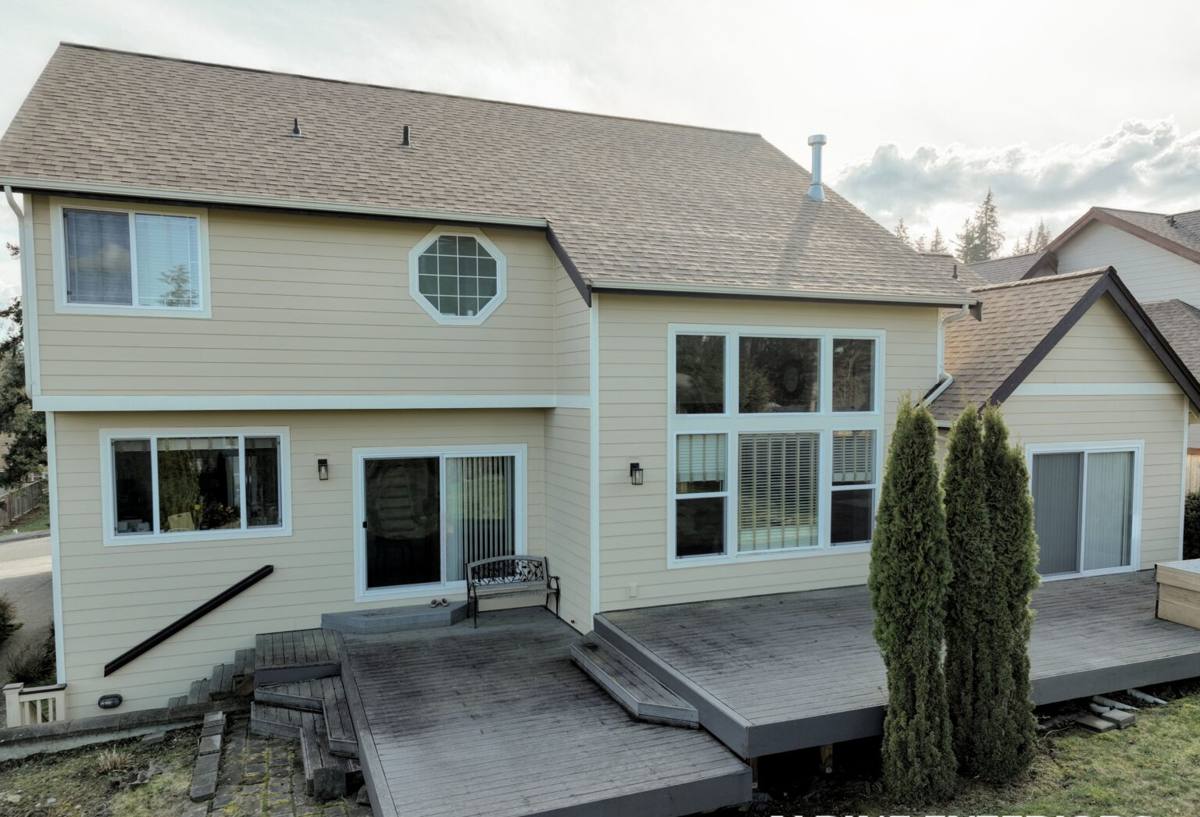
Roser Park is one of the few neighborhoods in St. Petersburg where the ground actually rolls. The ravine and the older bungalow and craftsman housing stock mean lots here don't behave like the flat, uniform yards you find in most of Pinellas County. Grade changes, mature tree roots, and foundations that were never built with a deck in mind are the norm, not the exception. A deck built for a flat lot in a newer subdivision often can't just be dropped onto a Roser Park property without real adjustments to footings, post heights, and stair runs.
We've worked enough properties in this part of St. Petersburg to know what that means in practice: more site-specific engineering thinking before the first post hole goes in, and a build sequence that respects the slope instead of fighting it. That's the difference between a deck that sits right for twenty years and one that starts showing stress cracks and uneven boards within a couple of seasons.
What Pinellas County's Climate Does to an Outdoor Deck
Every outdoor structure on the Pinellas peninsula deals with the same combination of stresses, and a deck takes more of it than almost anything else on a house because it's horizontal, exposed on all sides, and in constant contact with ground moisture.
Wind
St. Petersburg sits in a hurricane-exposed wind zone. Florida Building Code requires deck framing, post-to-beam connections, and ledger attachments to be engineered for uplift and lateral load, not just vertical weight from people and furniture. A deck that's only built to hold weight — without hardware rated for wind uplift — is a liability the first time a tropical system rolls through.
UV Exposure
Central Florida sun is intense and constant, essentially year-round. UV breaks down the lignin in wood fibers, fades composite decking colors unevenly if the product or installation is subpar, and dries out sealants faster than in most of the country. Whatever material you choose, UV resistance needs to be a real factor in the decision, not an afterthought.
Wind-Driven Rain and Humidity
Afternoon storms here don't fall straight down — wind pushes rain sideways under rails and into board gaps and fastener holes. Combined with Florida's humidity, that means any wood surface that isn't detailed correctly for drainage and airflow underneath stays damp longer than it should, which is exactly what invites rot and fungal growth.
Salt Air
Even away from the immediate waterfront, St. Petersburg's proximity to Tampa Bay and the Gulf puts a steady dose of salt-laden air on everything outdoors. Salt accelerates corrosion in fasteners and connectors. Using hardware rated for coastal or salt-exposure environments isn't optional here — it's the difference between hidden joist hangers that last and ones that rust through from the inside in a few years.
Choosing the Right Decking Material for This Climate
There's no single "best" decking material — every option is a trade-off between upfront cost, maintenance commitment, and how it ages in Florida's specific conditions. Here's how the common choices stack up for a Pinellas County build.
| Material | Upfront Cost | Maintenance | How It Handles This Climate |
|---|---|---|---|
| Pressure-treated pine | Lowest | Needs sealing/staining every 1–2 years | Affordable and workable, but most prone to warping, splitting, and fastener corrosion without diligent upkeep |
| Tropical hardwood (e.g. ipe) | High | Periodic oiling to maintain color, minimal structural upkeep | Naturally dense and rot-resistant; handles humidity and UV well but is heavy and unforgiving to install incorrectly |
| Capped composite | Mid–High | Occasional washing, no sealing or staining | Strong UV and moisture resistance when properly ventilated underneath; quality varies a lot by brand and product line |
| Uncapped composite | Mid | More cleaning than capped composite | Can absorb moisture at the surface over time in a humid coastal climate; generally not our first recommendation here |
Our standard is to steer clients toward materials with a track record in Gulf Coast conditions specifically, not just "outdoor rated" in a general sense. A composite board that performs fine in a dry climate can behave differently after a few Florida wet seasons. We'll walk through the real trade-offs for your budget and how much maintenance time you actually want to put in — there's no wrong answer, just an honest one for your situation.
The Structural Basics That Actually Matter
The decking surface is what you see, but the framing underneath is what determines whether the deck is safe and how long it lasts. This is where a lot of shortcuts happen on lower-bid jobs, and it's the part homeowners can't easily inspect themselves once the boards are down.
Footings
Footing depth and diameter need to account for both the load path and Florida's shifting, often sandy or fill-heavy soil. On sloped Roser Park lots, footings frequently need to be set at varying depths to reach consistent bearing, which changes post heights across the same deck.
Ledger Attachment
If the deck attaches to the house, the ledger board connection is one of the most safety-critical parts of the entire structure — and one of the most common failure points nationally when it's flashed or fastened incorrectly. Proper flashing keeps water from getting behind the ledger and into the house rim joist, which is a moisture problem you don't want to discover later.
Fasteners and Connectors
We use corrosion-resistant, coastal-rated fasteners and structural connectors throughout — joist hangers, post bases, hurricane ties. In a salt-air environment, standard interior-grade hardware is a slow-motion failure waiting to happen.
Framing Layout on Sloped Ground
On a level lot, joist spacing and beam spans follow a straightforward table. On sloped ground like much of Roser Park, the framing has to step down the grade cleanly, which means more attention to beam placement and post bracing to keep the structure rigid rather than relying on the deck boards themselves for lateral stability.
Permitting and Code in St. Petersburg
Most deck construction in St. Petersburg requires a building permit, and elevated decks typically require engineered plans showing footing sizes, framing spans, and railing details that meet Florida Building Code. Guardrails are required above a certain height, with specific baluster spacing rules aimed at child safety. Stair rise and run also have to meet code, which matters more than usual on a sloped lot where stairs may need to change direction or add a landing to work with the grade.
Skipping the permit might save time upfront, but it creates real problems later — unpermitted decks can complicate a home sale, cause issues with insurance claims after storm damage, and in some cases have to be torn out and rebuilt to be brought up to code. We pull permits as a standard part of the process, not an optional add-on.
Our Deck Building Process
- Site walk and grade assessment — we look at the slope, drainage, tree roots, and how the deck will tie into the house before any design work starts.
- Design and material selection — we talk through decking material, footprint, railing style, and stairs based on your budget and how you'll use the space.
- Engineering and permitting — plans are drawn to meet Florida Building Code wind and structural requirements, then submitted to the City for permit.
- Footings and framing — footings are set to proper bearing depth, and the frame goes up with coastal-rated hardware throughout.
- Decking, rails, and stairs — surface material is installed with correct fastener spacing and expansion gaps appropriate to the product.
- Final inspection — the completed deck is inspected against the permit before we call the job done.
Deck Maintenance Checklist for Pinellas County Homeowners
Whatever material you choose, a little regular attention goes a long way in this climate. A few things worth doing on a routine basis:
- Sweep debris out of board gaps so water can drain instead of pooling
- Check hardware (screws, joist hanger nails, railing brackets) annually for rust or looseness
- Reseal or restain wood decking on the schedule appropriate to the product — typically every 1–2 years
- Wash composite decking periodically to prevent mildew buildup in humid stretches
- Trim back vegetation and tree roots that push against footings or block airflow underneath the deck
- Inspect ledger board flashing for gaps or water staining after major storms
- Look for soft spots or discoloration in wood framing, especially near ground contact points
Why Hiring a Crew That Already Works Roser Park Matters
Roser Park's mix of older homes, uneven terrain, and mature landscaping isn't something every contractor is used to working around. A crew that's built decks on flat new-construction lots elsewhere in Pinellas County may not have the same instincts for stepping footings down a slope, working carefully near established root systems, or tying new framing into an older home's structure without surprises.
There's also a practical side: a local crew already knows the City of St. Petersburg's permitting process and inspection expectations, which keeps the project moving instead of stalling on paperwork. And because we're already working in this part of the city, we're not treating your job as a one-off — we're building something that has to hold up to the same wind, sun, rain, and salt air as everything else we've built nearby.
Get an Honest Look at Your Project
If you're planning a new deck or replacing one that's showing its age, we're happy to walk the property, talk through what your lot and budget actually call for, and give you a straightforward estimate — no pressure, no upsell. Use the form below to get started.