 St. Petersburg Siding
 Siding That Has to Work in Crescent Lake, Not Just Look Good
Crescent Lake is one of St. Petersburg's older, established neighborhoods, built up around Crescent Lake Park with a mix of 1920s-era bungalows, mid-century cottages, and newer infill homes. Whatever the age of the house, the exterior has the same job to do: survive a Pinellas County climate that does not let up. Hurricane-force winds during storm season, wind-driven rain that gets pushed sideways into wall assemblies, intense UV exposure nearly every day of the year, and salt air drifting in off Tampa Bay all work on siding at the same time, year after year. Siding here is not a cosmetic choice. It is the layer standing between the house and a climate that will find every weak point in a mediocre product or a rushed installation.
We install fiber cement siding in Crescent Lake and the surrounding St. Petersburg area, and we install one brand: James Hardie. This page covers what that actually means for a home in this specific neighborhood — what the climate demands, what a correct installation involves, and how our process works from first estimate to final walkthrough.
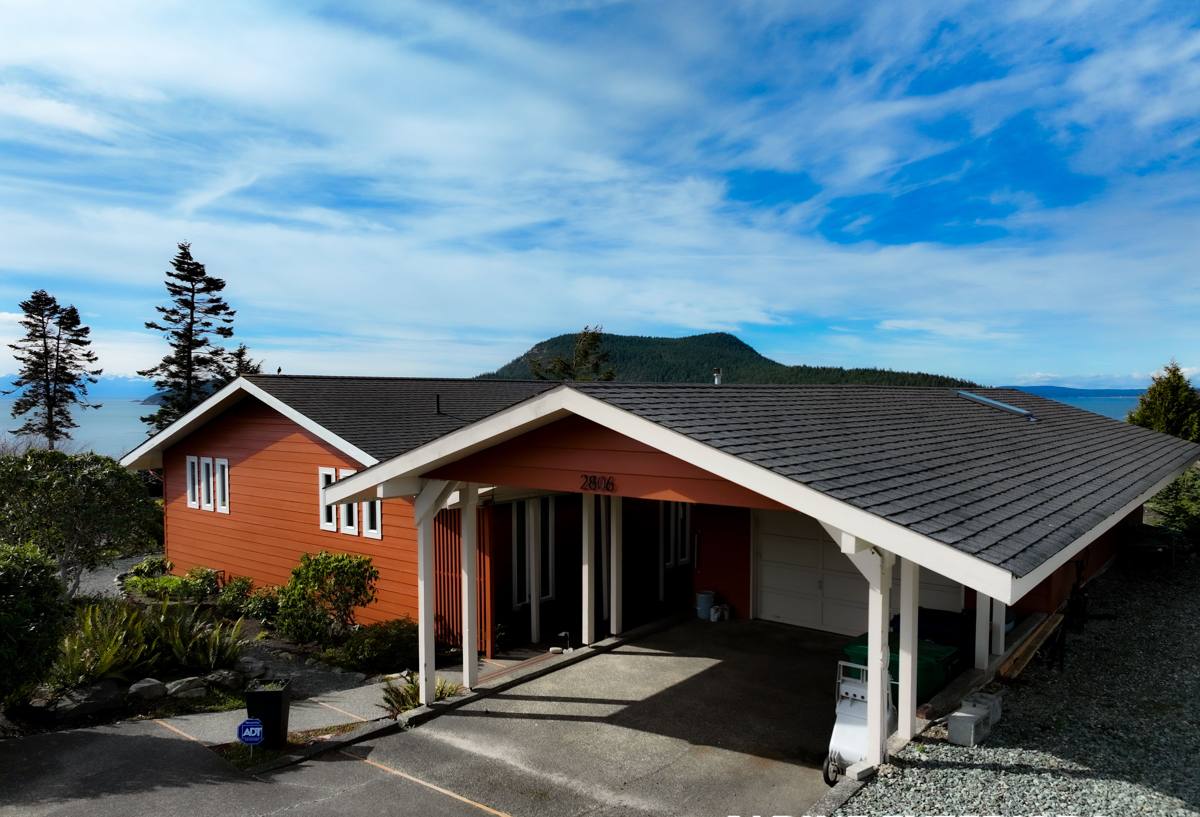
Why Fiber Cement Fits This Neighborhood's Housing Stock
A lot of Crescent Lake's charm comes from its older homes — many with the original wood clapboard siding, or siding that's been replaced once or twice already since the house was built. Wood siding on a home this age in this climate is a maintenance treadmill: repaint every few years, chase rot at every seam, and watch humidity and pest pressure slowly win. Fiber cement was engineered specifically to solve that problem. It is cement, sand, and cellulose fiber pressed and cured into a plank that does not absorb water the way wood does, does not attract termites, and does not warp or cup under Florida humidity swings.
For newer infill construction in the neighborhood, the calculation is different but the conclusion is the same. A new build still has to pass the same wind-load and moisture realities every other house in this zip code faces. Fiber cement gives both the historic-style homes and the newer ones a siding system rated for coastal wind exposure, without asking the homeowner to trade durability for the traditional lap-siding look that fits the neighborhood's character.
What the Local Climate Actually Does to Siding
- Hurricane-force wind: siding has to stay fastened and intact under sustained high wind and flying debris, not just look fine on a calm day.
- Wind-driven rain: storms here don't just fall straight down — rain gets driven sideways and upward under laps and around penetrations, so the water management behind the siding matters as much as the siding itself.
- Year-round UV: St. Petersburg gets some of the most consistent sun exposure in the country. Paint and factory finishes fade and chalk faster here than in most of the U.S.
- Salt air: even a few miles inland from the bay, airborne salt accelerates corrosion of fasteners and metal trim, and it degrades weak finishes over time.
- Humidity swings: constant moisture in the air, punctuated by heavy rain events, is exactly the condition that causes wood-based and poorly sealed engineered-wood products to swell, crack, and eventually rot at the edges.
What a Correct Fiber Cement Installation Involves
Fiber cement is only as good as the installation behind it. The board itself resists rot and pests, but a sloppy install still fails in this climate — usually at the seams, the fastener pattern, or the flashing details that keep water out of the wall assembly in the first place. On every Crescent Lake project we install to James Hardie's published specifications, which cover the details that actually determine how the siding performs over 20, 30, or more years:
- Correct clearances: siding held off the roofline, deck surfaces, and grade by the manufacturer's minimum gaps, so water sheds away instead of wicking into the bottom edge of the boards.
- Proper fastening: corrosion-resistant fasteners driven at the specified spacing and depth — critical in a salt-air environment where the wrong fastener corrodes and stains the siding face within a few years.
- Correct flashing and house-wrap integration: every window, door, and penetration flashed so wind-driven rain has a drainage path out, not a path in.
- Sealed and painted cut ends: factory-finished boards get cut on site for corners and openings, and every cut edge needs to be sealed before installation — an easy step to skip and one of the most common places we find failures on inspections of other contractors' work.
- Proper joint treatment: butt joints and seams detailed correctly so they don't become the first place paint fails or water intrudes.
None of this is unique to Crescent Lake, but it matters more here than in a drier, calmer climate, because the margin for error is smaller. A flashing detail that's "good enough" in a low-wind, low-humidity region is a callback waiting to happen a few blocks from Tampa Bay.
James Hardie Compared to Other Siding Options in This Climate
Homeowners in Crescent Lake shopping for siding will run into several materials. We only install James Hardie fiber cement, and the reasons come down to how each option actually performs under sun, salt, wind, and rain over the long term — not marketing.
| Material | Behavior in Coastal FL Climate | Maintenance Over Time |
|---|---|---|
| James Hardie fiber cement | Non-combustible, engineered moisture and impact resistance, ColorPlus factory finish holds color under intense UV | Low — no repainting cycle needed with ColorPlus, periodic rinsing recommended |
| Vinyl siding | Can warp, crack, or fade under sustained heat and UV; seams are a common water-entry point in wind-driven rain | Low upfront, but replacement (not repair) is often the only fix once it's damaged |
| Engineered wood (e.g., LP SmartSide) | Wood-strand core is more moisture-sensitive than fiber cement; edge and seam sealing is critical and unforgiving of gaps | Moderate — depends heavily on installation quality and ongoing sealant maintenance |
| Primed wood or cedar | Authentic look, but wood is the most vulnerable of these options to humidity, pests, and salt-driven decay | High — regular repainting and rot inspection required |
| Other fiber cement brands (Cemplank, Allura) | Similar base material chemistry to Hardie, but we standardized on one brand for finish consistency and warranty structure | Varies by product line and factory finish quality |
Fiber cement as a category — not just James Hardie specifically — is the strongest match for this climate because it doesn't rely on a plastic shell or a wood core to survive the year-round UV and moisture cycle. Within fiber cement, we install James Hardie because of its ColorPlus finish technology, its HardieZone system engineered for specific climate regions including humid, high-UV coastal areas like ours, and a warranty structure that's transferable and backed by a manufacturer with a long track record in Florida specifically.
Our Process on a Crescent Lake Project
Every home in this neighborhood is a little different — lot size, tree canopy, whether it's a single-story bungalow or a two-story infill build — but the process stays consistent:
- On-site assessment: we walk the exterior, check the current siding and sheathing condition, and note anything unusual — soft spots, prior water intrusion, trim or fascia that needs attention alongside the siding.
- Product and color selection: we go through the James Hardie HZ product lines and ColorPlus palette options that suit the home's style, whether that's a traditional lap profile for an older bungalow or a different reveal for a newer build.
- Written estimate: a clear scope of work and cost, no surprise change orders for things that should have been caught up front.
- Permitting: siding work in St. Petersburg and Pinellas County typically requires a permit; we handle that process rather than leaving it to the homeowner.
- Prep and installation: removal of the old siding, inspection and repair of the underlying sheathing and house-wrap where needed, then installation to manufacturer spec — correct clearances, fastening, flashing, and sealed cut ends.
- Final walkthrough: we go over the finished work with the homeowner before calling the job done.
Why Local Experience in This Neighborhood Matters
A siding crew that has actually worked in Crescent Lake and nearby St. Petersburg neighborhoods brings a few real advantages over an out-of-area contractor. Mature tree canopy is common throughout the neighborhood, which means more site prep around landscaping and more attention to keeping debris and organic staining off a fresh installation. Older bungalow-style homes often have siding profiles, trim details, and roof-to-wall transitions that differ from newer suburban construction, and getting those transitions right takes experience with this specific housing stock, not just fiber cement in general. And because we work in this climate zone regularly, we're not guessing at how a HardieZone HZ5 product performs here — we're installing it under the same wind, humidity, and UV conditions every week.
There's also a practical side: familiarity with St. Petersburg and Pinellas County permitting requirements, and a crew that's still local and reachable if a question comes up after the job is finished — not a company that worked the area for one season and moved on.
What to Check Before Hiring a Fiber Cement Contractor
Fiber cement rewards a correct installation and punishes a rushed one. Before hiring anyone for a project in Crescent Lake, it's worth confirming the basics:
- Are they installing to the manufacturer's written installation instructions, not just "how we've always done it"?
- Do they pull the required St. Petersburg / Pinellas County permit, or ask you to skip it?
- Will cut ends be factory-sealed or field-sealed before installation, not left raw?
- Do they specify corrosion-resistant fasteners appropriate for a coastal, salt-air environment?
- Is the warranty backed by the manufacturer and transferable if you sell the home?
- Can they explain why they chose the specific HardieZone product line for your home's exposure, rather than a one-size-fits-all answer?
Living With Fiber Cement Siding After Installation
Part of why fiber cement makes sense in Crescent Lake is how little it asks of homeowners afterward. It doesn't need repainting on the same cycle wood does, and it isn't prone to the cracking and fading that vinyl shows after a few Florida summers. A periodic rinse to clear off salt residue, pollen, and general airborne grime keeps the ColorPlus finish looking as intended, and it's worth a quick visual check after major storms for any impact damage or areas where caulking at trim and penetrations may need attention. Beyond that, it's a low-maintenance exterior in a climate that punishes anything less.
If you're weighing siding options for a home in Crescent Lake, we're happy to take a look and talk through what your house actually needs — no pressure, no upsell to a product we don't stand behind. Reach out for a free estimate using the form below.