 St. Petersburg Siding
 Asphalt Shingle Roofing Built for Childs Park's Climate
Childs Park is one of St. Petersburg's older, established residential neighborhoods, and that means a lot of the roofs here have already been through several Florida summers — and more than a few tropical systems. Asphalt shingle roofing remains the most common and most cost-effective roofing choice for homes in this part of Pinellas County, but "common" doesn't mean "simple." A shingle roof that's installed correctly for this specific climate can last two to three decades. One that's installed with shortcuts, or with materials rated for a milder climate, can start failing in half that time.
The conditions that matter here aren't abstract. Hurricane-force winds test every nail and every seal. Intense, nearly year-round UV breaks down asphalt oils and accelerates granule loss. Wind-driven rain finds any gap in flashing or underlayment and pushes water sideways, not just down. And the salt air drifting in off Tampa Bay and the Gulf accelerates corrosion on any exposed metal — nails, flashing, vents — faster than it would inland. A shingle roofing job for a Childs Park home has to account for all four of those stresses at once, not just look good going up.
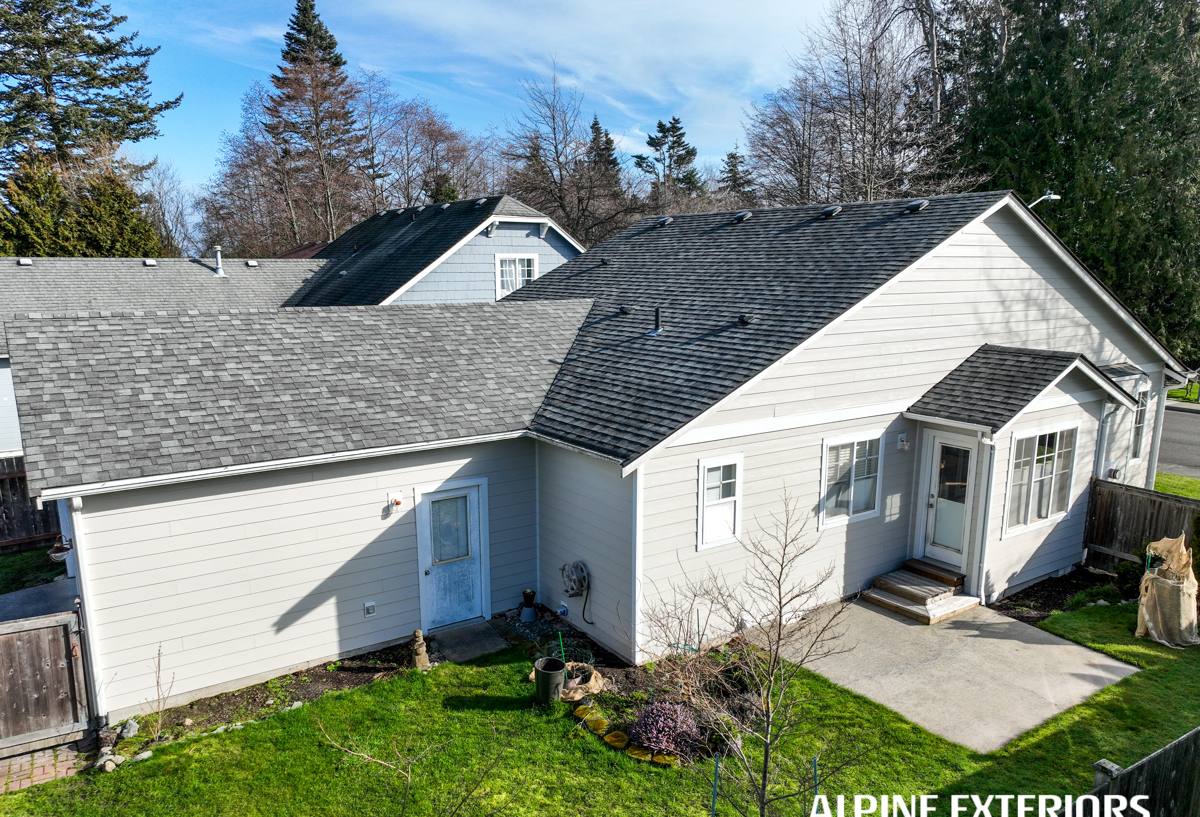
What a Correct Shingle Installation Actually Involves
A shingle roof is a system, not a single layer of material. The shingles themselves get most of the attention, but the components underneath and around them are what actually determine whether the roof survives its first real storm season.
The Deck and Underlayment
Before any shingle goes down, the roof deck needs to be sound — no soft spots, no water damage from a prior leak, and secured to current fastening standards. Over that goes the underlayment, which is the roof's real waterproof layer; the shingles are the weather and wear layer on top of it. In this climate, a synthetic or self-adhering underlayment at eaves, valleys, and penetrations gives real protection against wind-driven rain that gets up and under the shingle tabs during a storm — something a lot of older roofs in this area simply weren't built with.
Fastening and Wind Rating
Pinellas County sits in a high-wind zone, and the local building code reflects that. Nailing pattern, nail count per shingle, and nail placement all matter more here than in most parts of the country — a shingle that's rated for 130 mph winds can still fail at half that speed if it's under-nailed or the nails are placed too high in the shingle's nailing zone. This is one of the most common shortcuts we see on roofs that failed early, and it's invisible once the job is done — you can't tell from the ground whether a roof was nailed correctly.
Flashing, Valleys, and Penetrations
Most shingle roof leaks don't happen in the open field of the roof — they happen at transitions: valleys, chimneys, skylights, plumbing vents, and where the roof meets a wall. Metal flashing at these points needs to be properly lapped with the underlayment and shingles, not just caulked. Caulk is a maintenance item, not a waterproofing method, and in this heat and UV it breaks down faster than most homeowners expect.
Ventilation
A shingle roof needs airflow between the deck and the shingles to let heat and moisture escape the attic. Without it, summer attic temperatures climb well past what the shingles were designed to tolerate from underneath, which shortens their life from below at the same time UV is breaking them down from above.
Choosing Shingles for This Specific Climate
Not every shingle product sold nationally is a good fit for coastal Florida. The right choice comes down to wind rating, algae resistance, and how the shingle handles sustained heat.
| Factor | What to Look For in This Climate |
|---|---|
| Wind rating | Rated to at least meet Pinellas County's high-wind code requirements, with a fastening pattern to match |
| Shingle type | Architectural (laminated) shingles generally outperform basic 3-tab shingles in wind and lifespan |
| Algae resistance | Copper- or zinc-infused granules help resist the dark streaking common in Gulf Coast humidity |
| Color and heat | Lighter shingle colors reflect more UV and run cooler, which can modestly ease attic heat load |
| Warranty structure | Understand what's prorated vs. non-prorated, and whether wind coverage requires specific nailing or ventilation |
We install established, well-tested asphalt shingle lines rather than newer or lower-cost products with thin track records in coastal wind zones. It's a professional standard we hold to: a roof here has to earn its warranty by surviving actual storm seasons, not just pass a lab test.
Signs a Childs Park Roof Needs Attention
Because shingle failure is often gradual, homeowners frequently miss the early signs until there's an active leak. Worth checking for, especially after a windy or rainy stretch:
- Shingles that look cupped, curled at the edges, or visibly lifted
- Bald spots where granules have worn away, exposing the black asphalt underneath
- Granules collecting in gutters or at downspouts
- Dark streaking or discoloration across the roof surface
- Soft or discolored spots on ceilings or in the attic after rain
- Visible daylight through the roof deck when viewed from inside the attic
- Missing shingles or exposed nail heads after a storm
- Flashing that's separated, rusted, or has cracked sealant around it
Any one of these on its own might not be urgent, but a combination — or anything paired with an actual leak — is worth a professional look before the next storm system moves through.
How We Approach a Job in Childs Park
The process is the same whether it's a repair or a full replacement, just different in scope:
- Inspection. We get on the roof, not just look at it from the driveway. That includes checking the deck, flashing, ventilation, and attic — not just the shingle surface.
- Honest scope and estimate. We tell you what actually needs to happen — repair, partial replacement, or full replacement — and why, along with a written estimate before any work starts.
- Material selection. We walk through shingle options suited to this climate and your budget, not a one-size-fits-all product.
- Proper tear-off and deck check (for replacements). We don't shingle over a bad deck. Any damaged decking gets replaced before the new roof goes on.
- Installation to code. Underlayment, flashing, fastening pattern, and ventilation all done to current Pinellas County wind requirements — not the minimum that was standard decades ago.
- Cleanup and final walkthrough. Magnetic sweep for nails, debris removed, and a final review with you before we consider the job done.
Maintenance That Actually Extends Roof Life Here
Salt air and humidity mean a shingle roof in this part of St. Petersburg benefits from more attention than the same roof would need further inland. A couple of habits go a long way: keep gutters and valleys clear so water doesn't pool or back up under shingles, and have the roof looked at after any named storm even if nothing looks obviously wrong — wind can lift or loosen shingles in ways that aren't visible from the ground but that let water in during the next rain. Trimming back overhanging branches also matters more here than people expect, since debris buildup holds moisture against the shingle surface and encourages the algae staining common in Gulf Coast humidity.
Permits and Local Code
Roofing work in St. Petersburg and unincorporated Pinellas County generally requires a permit, and that permit process exists for a real reason — it's what confirms the fastening pattern, underlayment, and flashing details actually meet the current high-wind standards, not just a visual finish. We pull the required permits and schedule the inspections that go with them as a normal part of the job, not an add-on. If a contractor is offering to skip the permit "to save time," that's a red flag worth taking seriously — it usually means the work isn't going to hold up to inspection either.
Why Local Experience in Childs Park Matters
A roofing crew that regularly works this neighborhood already knows the housing stock, the typical roof ages, and the specific way Pinellas County's wind and inspection requirements get applied. That means fewer surprises during the estimate, a more accurate read on what's actually wrong versus what's cosmetic, and a crew that isn't learning the local code requirements on your project. It also means we're a known, reachable business in the community — not a storm-chasing crew that's out of the area once the check clears.
If your Childs Park roof is showing its age, took wind or storm damage, or you just want an honest read on how much life it has left, we're glad to come take a look. The estimate is free, there's no pressure to sign anything on the spot, and you'll get a straight answer about what your roof actually needs.